

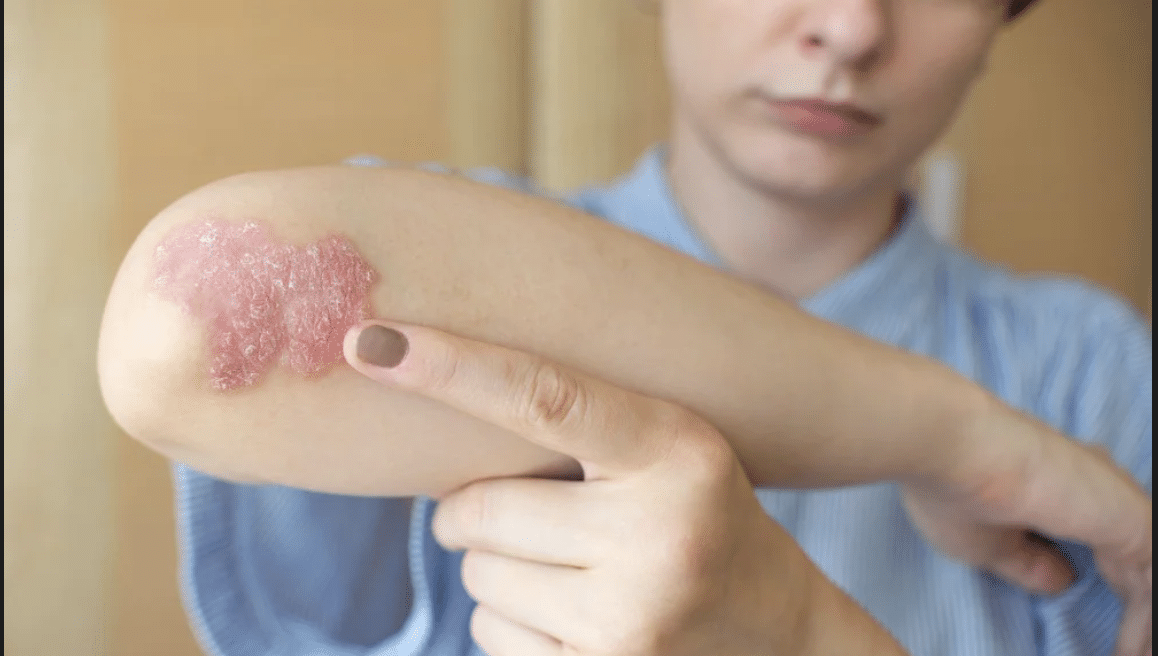

Have you ever noticed red, itchy patches of skin covered with silvery-white scales on your elbows, knees or scalp? You’re not alone. This is probably psoriasis.
Unlike many skin conditions where the symptoms persist until treated, psoriasis flare-ups can last for just a few weeks. This is why a lot of people tend to ignore the issue and it goes undiagnosed.
When left untreated, psoriasis flare-ups can become more severe over time. This is why it is important to consult a dermatologist.
Understanding psoriasis will help to reduce the frequency and severity of flare-ups. We’ll explore possible psoriasis triggers and how to create a skincare routine that works for your skin. By the end, you’ll know exactly how to care for your skin to get a clear, healthy complexion.
What is Psoriasis and What Triggers Flare-Ups?
Psoriasis occurs when your immune system attacks healthy cells because it mistakenly identifies normal skin cells as a threat. This triggers an overactive immune response that speeds up skin cell production in the affected areas and leads to inflammation and scaling.
Stress is one of the most common triggers for psoriasis flare-ups. Cold weather, dry skin, upper respiratory infections, smoking, alcohol and even some medicines can trigger a flare-up.
Certain vegetables like eggplant, tomato, white potato, and peppers can also make psoriasis worse, though we still do not fully understand the causal connection. A comprehensive psoriasis guide that covers the different types of psoriasis and their symptoms and triggers will go a long way in helping you manage and even prevent flare-ups.
Some people have a higher risk of psoriasis as it has a strong genetic component. This means that if someone in your family has psoriasis, you are more likely to have it. Similarly, some populations have higher psoriasis prevalence – for instance, it is most common in Northern/Western European countries and North America.
Creating a Psoriasis Skincare Routine That Works
Many people fall into the trap of looking for one product that will completely clear their skin. In reality, psoriasis doesn’t work that way because it is a chronic condition that requires a combination of consistent skincare, targeted treatments, and lifestyle adjustments.
What works best is building a skincare routine tailored to your skin’s needs and triggers, rather than relying on a single “quick fix.” Over time, this balanced approach is far more effective and sustainable. Here are a few beauty tips to help you create a skincare routine:
1. Avoid Products that Strip the Skin Barrier
It’s easy to assume that stronger products will clear plaques faster, but strong exfoliants and toners can strip your skin and worsen irritation. This will also weaken the skin barrier, making it more vulnerable to dryness and flare-ups.
A gentler approach is always more effective in the long run. Use products with salicylic acid, urea or lactic acid as they are gentle on your skin but will reduce scaling and soften rough patches.
2. Choose the Right Cleanser
Use gentle soap-free and fragrance-free, alcohol-free cleansers instead of strong soaps and antibacterial washes. Avoid foaming cleansers that leave your skin feeling tight; instead, opt for creamy moisturizing cleansers that will leave your skin feeling soft and smooth.
3. Don’t hold back on your Moisturizer
One of the biggest mistakes is not moisturizing enough. Dry skin can trigger flare-ups and make scaling worse. Keeping your skin well-hydrated helps reduce itching, improve texture, and support the healing process.
Since psoriasis skin is inflamed and reactive, it is best to choose a moisturizer with calming ingredients. Look for products that contain colloidal oatmeal, niacinamide, aloe vera or other soothing agents as this will help you manage flare-ups.
4. Never Scratch Plaques
This is very common, especially when plaques feel itchy or tight. However, picking can lead to bleeding and infection which will result in scars. It can also slow down healing and increase discomfort. This is particularly important if you have dryness around your eyes as you can accidentally scratch the cornea of your eye.
If you find yourself absent-mindedly scratching at your plaques, apply a generous layer of cream or moisturizer over the area so that as soon as you touch the thick cream, you will remember not to scratch it.
5. Make time for Daily Stress Management
Stress is a major trigger, yet it’s often ignored. Chronic stress can lead to more frequent or severe flare-ups. Incorporating stress management techniques into your routine can help improve both your skin health and overall well-being.
Mediation, music, journaling and listening to soothing music are a few common methods to manage stress. Include this as part of your wind-down ritual every night so that you are more relaxed by the time you go to bed, which will also improve your sleep quality.