
Finding the right shoes for children is one of those parenting decisions that looks simple from the outside and turns out to be anything but. Kids’ feet are not just small adult feet. They are developing structures that change shape rapidly, spend hours under physical stress, and need genuine support to grow well. At the same time, children have opinions. Strong ones. And a shoe that passes the podiatrist’s checklist but fails the playground style test will spend most of its life at the bottom of the wardrobe.
The brands worth knowing are the ones that have solved both sides of that equation. Here are some of the best kids’ shoe brands that manage to be genuinely stylish without compromising on what growing feet actually need.
What to Look for Before You Buy
Before getting into specific brands, it helps to know what separates a well-designed children’s shoe from a visually appealing one that does little for foot health.
Flexibility is the first indicator. A good children’s shoe bends at the ball of the foot, where natural flexion occurs during walking. A sole that bends in the middle, or barely bends at all, restricts natural movement and can contribute to poor gait development. Toe box width matters just as much. Children’s feet are widest at the toes, not the ball of the foot, and shoes that taper too aggressively compress the forefoot and interfere with proper toe-off during walking and running.
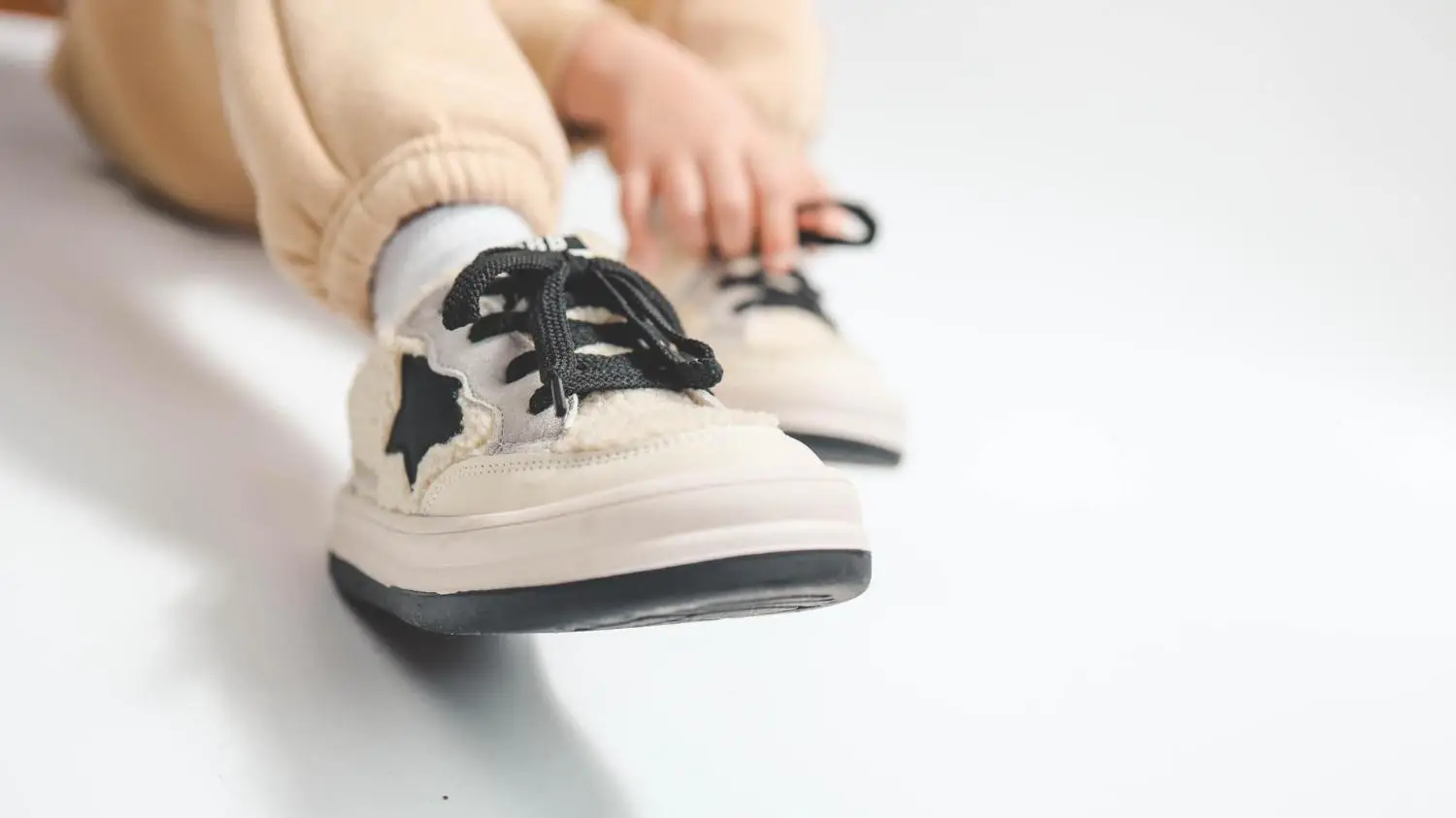
Fastening systems are also worth considering beyond convenience. Velcro is genuinely useful for younger children who cannot yet tie laces and need to put shoes on independently. For older children, laces offer a more secure and adjustable fit that accommodates the width variation that develops as feet grow.
Brands That Get It Right
When it comes to balancing genuine craftsmanship with a look children actually want to wear, Perroquet Shoes stands out as a strong starting point. The brand makes handcrafted leather children’s shoes designed around the idea that quality and style should not require a luxury price tag. Their catalog covers Mary Janes, monk strap shoes, T-straps, wingtip booties, and smoking slippers in leathers and velvets, with construction that holds shape over time and styles that move between school days and formal occasions without missing a beat. For parents who want a shoe that looks considered rather than generic, and that is built to last through at least a full season of real use, Perroquet is worth knowing about before looking elsewhere.
New Balance is consistently rated among the strongest performers for children’s footwear from a fit and support perspective. The brand offers an unusually wide range of widths, including extra-wide options that serve children with broader feet or those who simply cannot find comfortable fits elsewhere. Their cushioned midsoles and flexible outsoles make them a reliable everyday choice, and the brand’s sizing is considered among the most accurate in the market.
See Kai Run built its reputation specifically around developmental footwear. The brand designs shoes with wide toe boxes, flexible soles, and lightweight construction from the earliest walking stages through school age. Each shoe is designed around the mechanics of how children at specific stages actually move, rather than simply scaled down from adult designs.
Converse occupies a different space on this list. The Chuck Taylor is not a performance shoe and does not claim to be. What it offers is a genuinely iconic style that children actually want to wear, a breathable canvas upper, and a flat sole that works reasonably well for light play. For a style-first casual shoe that holds up to regular wear, it remains one of the most enduring options available.
Plae takes an interesting approach by combining biometric design principles with practical, parent-friendly construction. Their shoes feature antimicrobial footbeds, machine-washable materials, and interchangeable strap systems that allow children to personalize the look. The washability factor alone makes them a firm favourite among parents of younger children.
Why Foot Health in Childhood Has Long-Term Implications
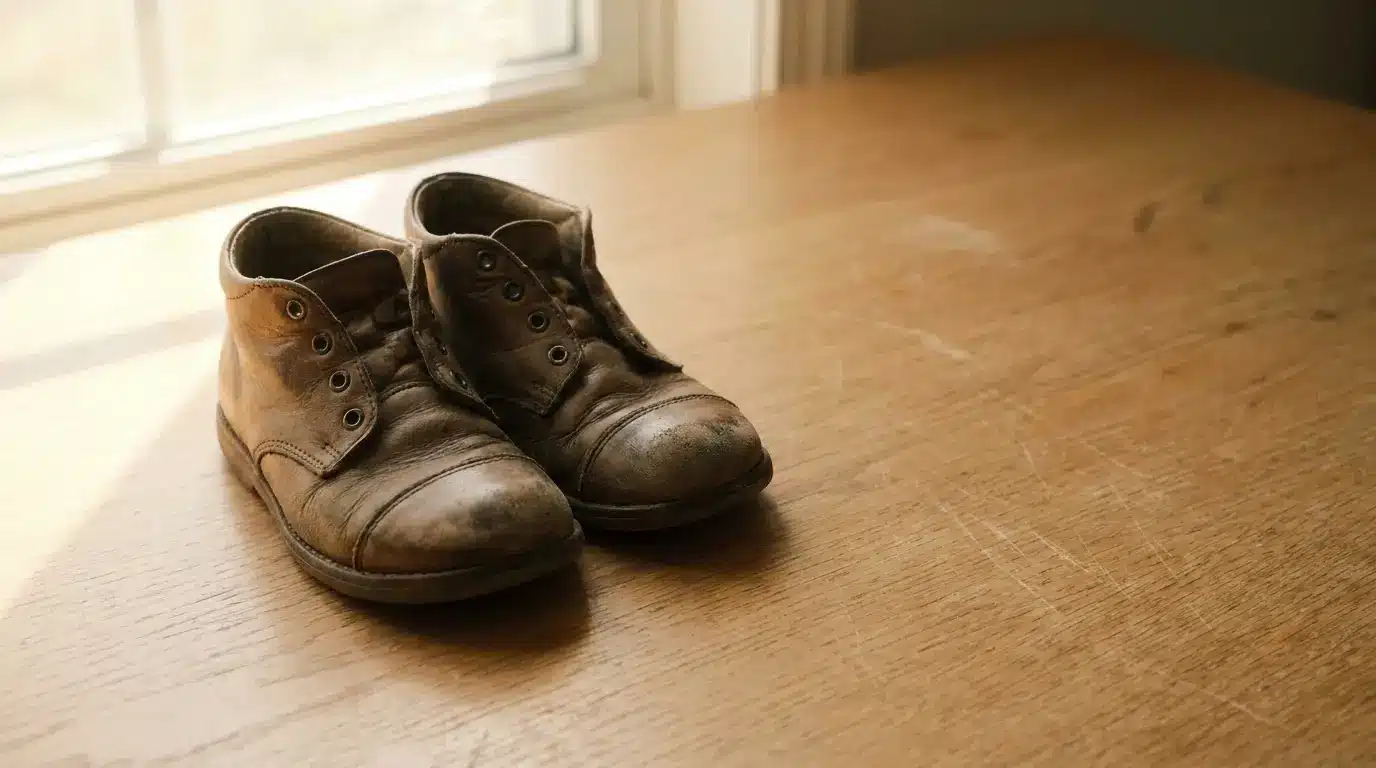
The choices made about children’s footwear are not purely a fashion or comfort decision. They have genuine developmental consequences. According to the American Academy of Pediatrics, the bones of children’s feet do not fully harden until around age 18, meaning that years of pressure from poorly fitting or structurally inadequate shoes can influence how those bones develop.
Conditions like flat feet, overlapping toes, and certain gait problems in adults are linked to inadequate footwear during childhood. This does not mean every shoe needs to be a medical-grade orthotic device, but it does mean that parents are right to think carefully about construction, fit, and flexibility rather than simply buying whatever looks good on the shelf.
Getting the Fit Right Every Time
One practical consideration that makes a significant difference regardless of brand is how often children’s feet are measured. Foot length can increase by a full size every three to four months in toddlers and younger children, slowing somewhat in older primary school years. A shoe that fits well in September may be genuinely too small by December, and children often do not report discomfort accurately because they have no reference point for what a properly fitting shoe feels like.
Measuring both feet, since the dominant foot is often slightly larger, and leaving around a thumb’s width of space between the longest toe and the end of the shoe are the two habits that consistently result in better fit outcomes across whatever brand you choose.
The best kids’ shoe brands do the structural work for you. The rest is knowing your child’s foot, keeping track of growth, and finding the intersection of what works developmentally and what they will actually agree to wear.