

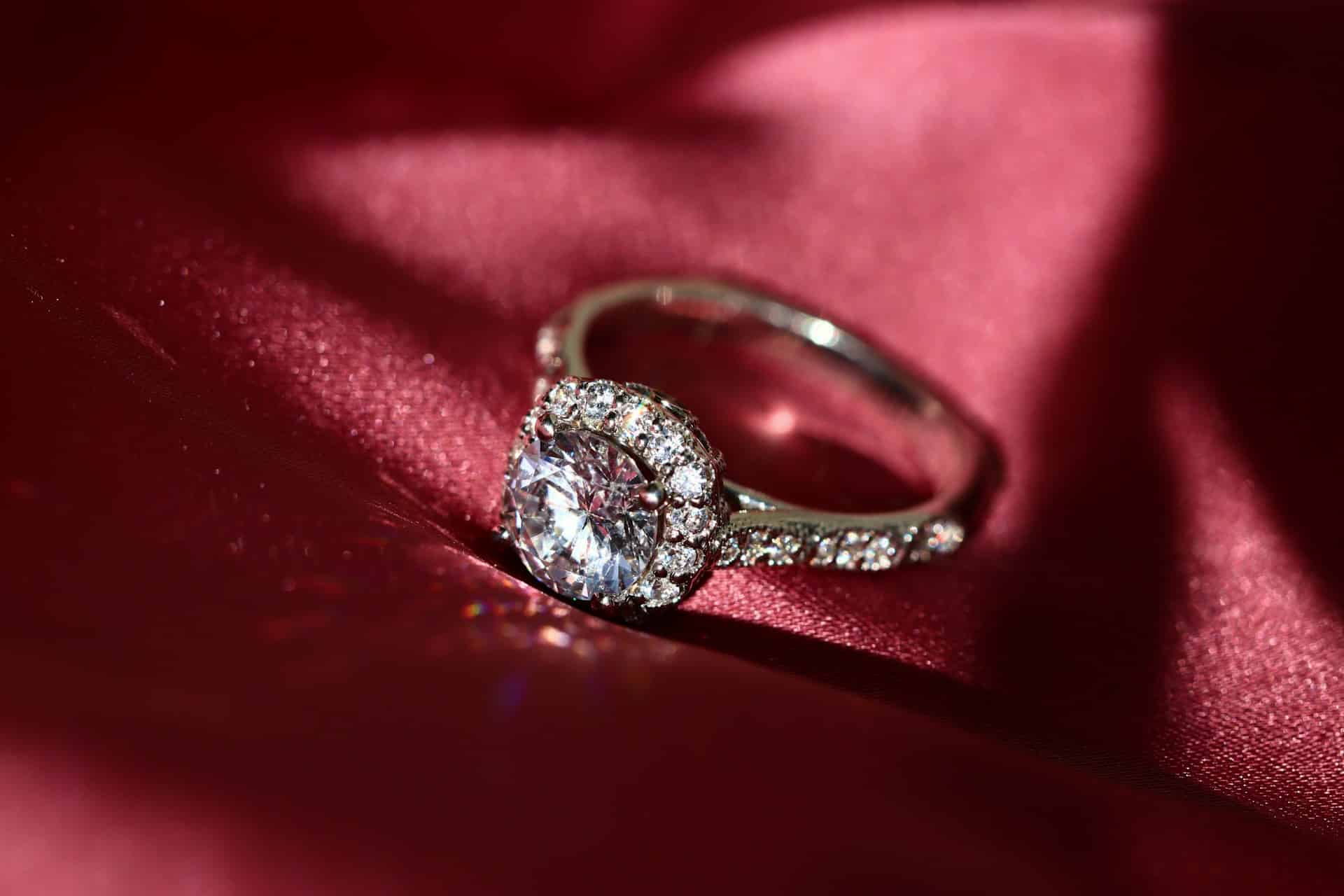

A loose diamond is a rare but exciting starting point. You now have the opportunity to do something most people never get to; build a ring that is entirely yours. And the most consequential decision in that process? Choosing the setting.
The setting does more than hold your diamond in place. It determines how much light the stone catches and how secure it feels on your finger. Let us start by knowing all engagement ring settings better. This knowledge will help you choose the right one.
Prong Setting: The Classic That Never Quits
If you have ever pictured an engagement ring, you have probably thought of a prong setting. This style uses small metal claws to grip the diamond. They lift the diamond up, and it keeps the focus squarely on the stone.
The details matter within this style; four prongs can give the diamond a square look. At the same time, six prongs offer more security and a rounder shape. A six-prong is the smart choice if you lead an active lifestyle.
Bezel Setting: Sleek and Practically Indestructible
If the prong setting is classic, the bezel is the modern essential. A bezel setting wraps the certified loose lab-grown diamonds in a thin metal rim. It has a clean and low profile. For someone who is hard on their hands, the bezel setting is an excellent match.
A full bezel covers the diamond entirely. On the other hand, a half-bezel leaves the side open for a little more light and a little more visual interest.
Halo Setting: Go Big or Go Home
Where the bezel whispers, the halo announces itself. A halo setting surrounds your center stone with small accent diamonds. Thus, creating a dazzling frame that amplifies visual size. It is a style that has been loved for generations and really works well with cushion, oval, and round cuts.
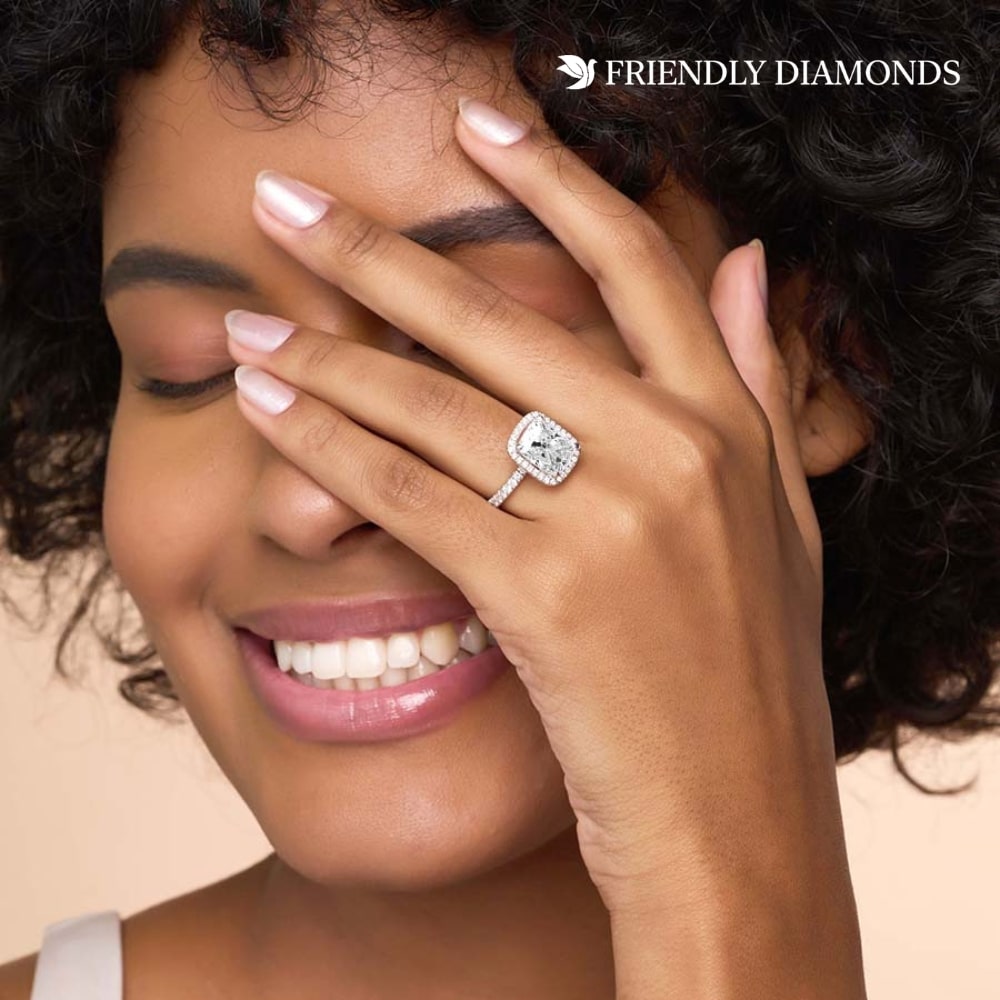
Double halos take things even further. It has two concentric circles of pavé diamonds. If your philosophy is that more is merrier, this setting is for you.
Pavé and Channel Setting: All About the Band
Not every setting centers on the center stone; sometimes the ring itself makes the statement. Pavé settings embed smaller diamonds along the band. It is held in place by tiny beads of metal so they form a continuous glittering surface. The effect is romantic and works with any shaped center stone.
Channel settings take a different approach. Smaller lab-grown diamonds sit in a groove cut directly into the metal band. There are no prongs holding them, and this gives you a polished and architectural look. Channel works for people who like a clean design and have an active lifestyle.
Tension Setting: The Bold Choice
If none of the above options capture what you are looking for, the tension setting might. The diamond appears to float between the two ends of the band. It is held in place entirely by the metal’s compression. It has a modern profile and is guaranteed to start conversations.
That said, it comes with trade-offs worth knowing about. It is restrictive in terms of future resizing. This is something that you should bear in mind. Not every diamond works well in a tension setting either.
A Few Things to Consider Before You Decide
Two factors should anchor your decision: your diamond’s shape and your lifestyle.
Round brilliants are the most adaptable and work with almost any setting. Elongated shapes like oval and marquise tend to read best in bezel or east-west settings. When in doubt, let the stone lead.
The question is simple for lifestyle: how much wear will this ring actually take? Bezels and channel settings will offer the most protection. Prongs and a halo are beautiful but require more upkeep. If you are someone who uses their hands a lot, durability is not a compromise. It should be a part of the design.
To sign off
There is no single “right” answer here. All engagement ring settings offer something unique. Choosing one is an important decision. Your optimal ring setting will depend on your particular choice of stone and match your way of life.
Friendly Diamond’s has made a name for itself in the lab-grown fine jewelry world. You can take a look at their collection and get some inspiration.
FAQs
Can I use any diamond with any setting, or are there compatibility limits?
Most loose diamonds can be set in a variety of styles. But shape does matter. A round brilliant virtually works in any setting. But a fancy shape like pears or marquises often suits specific settings better. A professional jeweler can help make the right decision.
Which setting is the best for daily wear?
Bezel and channel settings are great choices. They protect the diamond’s edges and eliminate prongs. Prongs can catch on things or bend with time.