

Most people learn about color in fashion the hard way: by buying something that looked right in the store and discovering, at home, that it clashes with everything else they own. The instinct for color composition, knowing why certain shades work together and others don’t, rarely develops from theory. It develops from testing combinations repeatedly and correcting courses.
Dress up games offer exactly that kind of practice, without the cost.
Playing With Color Is Practicing a Real Skill
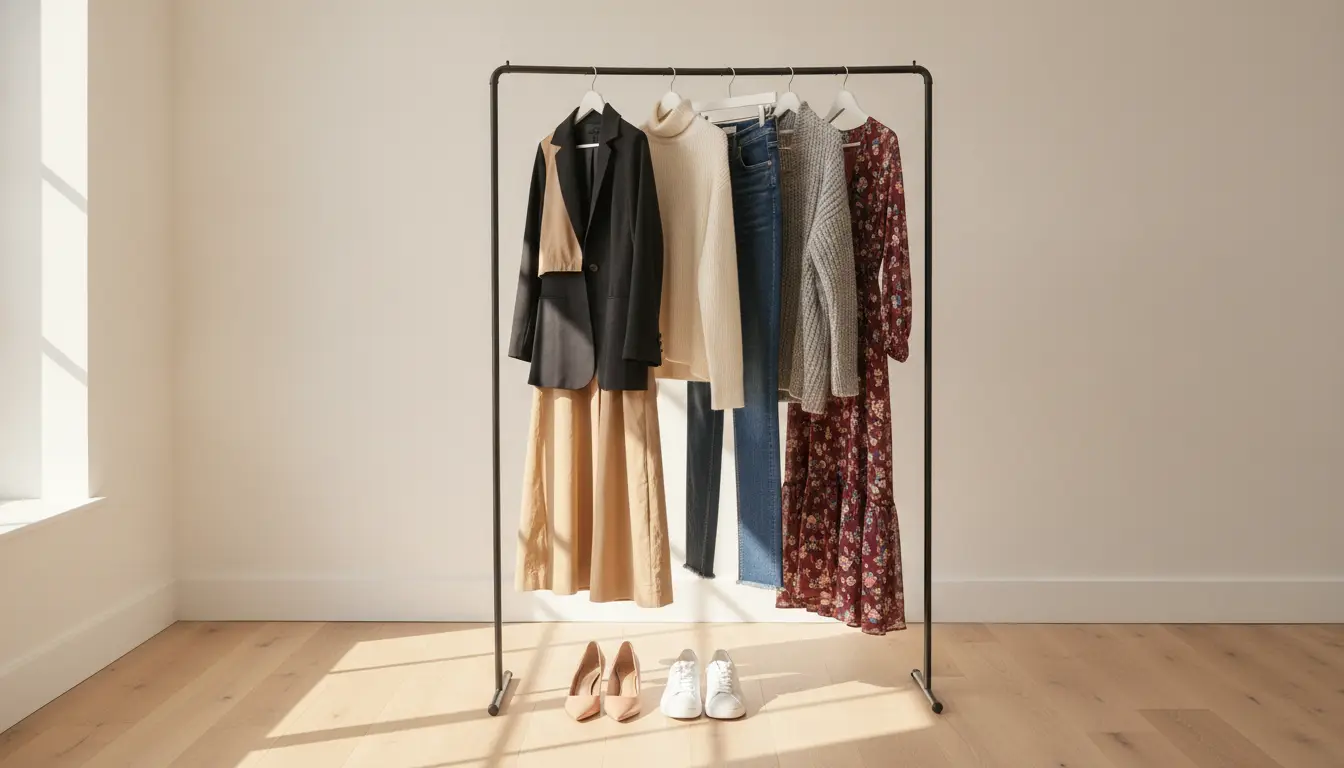
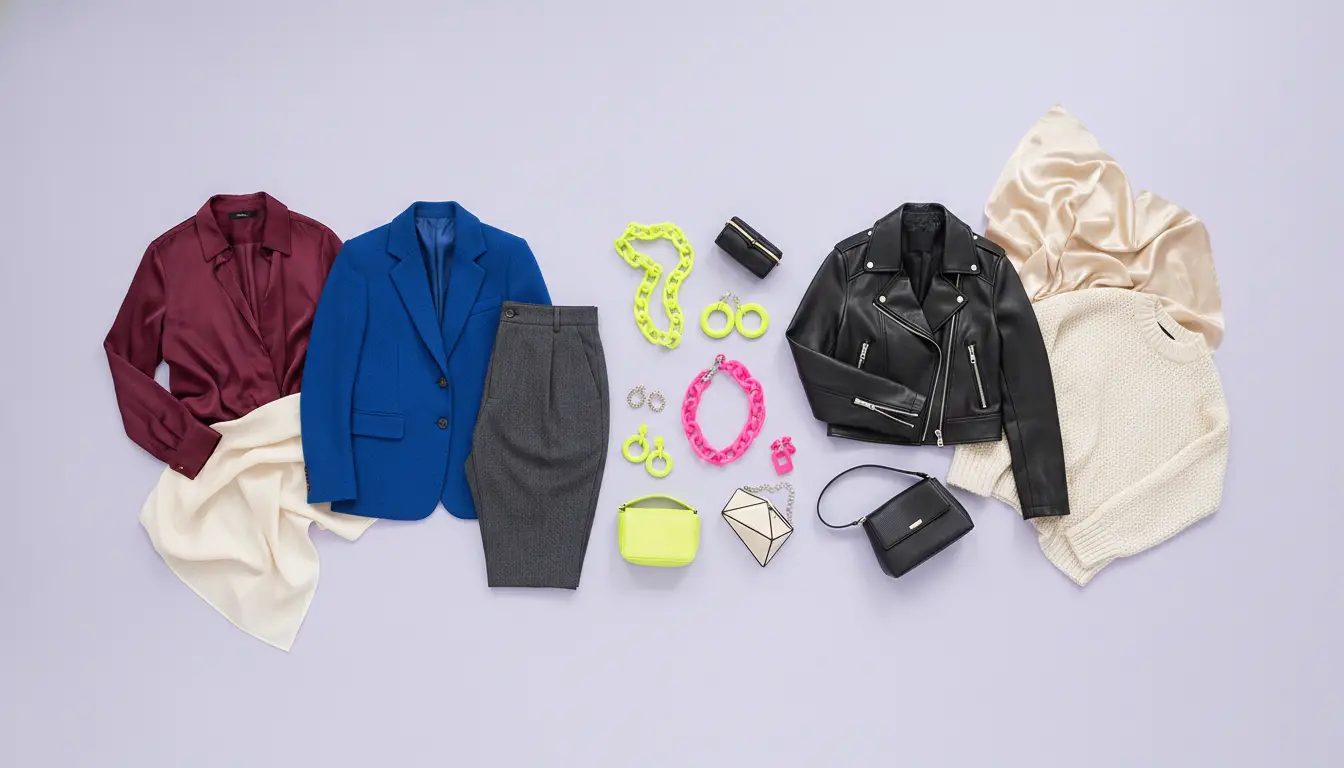
When a player works through combinations in an online dress-up game, adjusting a top’s color against different bottoms, swapping out an accessory to shift the palette, they are running the same visual logic a stylist applies before a shoot. Color reads differently depending on what surrounds it. A deep burgundy next to ivory behaves differently than the same burgundy next to charcoal. Understanding that relationship takes repetition, and a virtual wardrobe allows for far more repetition than a physical one.
Research into digital fashion platforms supports this. According to Wave PLM’s analysis of clothing design games, players develop a stronger eye for proportion and color cohesion through repeated virtual styling, with the skills built in these environments carrying into real-life wardrobe decisions. The platforms also model something closer to how fashion professionals actually work: testing looks, discarding what doesn’t land, iterating until the combination feels right.
The Value of a Low-Stakes Environment
A 2025 academic study of independent fashion games found that 17 out of 20 titles analyzed rely on freeform customization rather than structured progression, deliberately placing players in open, consequence-free environments where style exploration is the point. No penalties for bold choices. No commitment required.
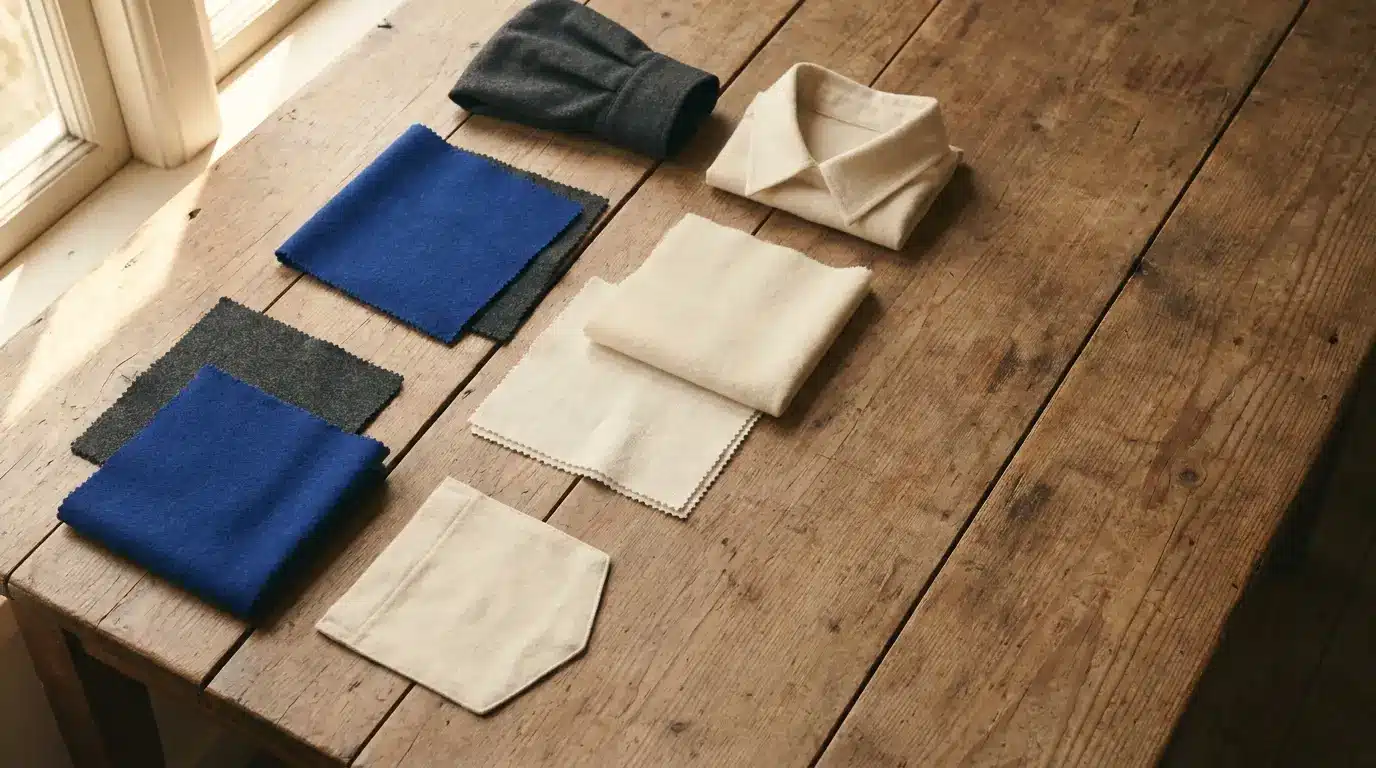
For color development specifically, this matters. A player who would never purchase a cobalt blue blazer will pair one with ten different bottoms in a game without hesitation. After enough of those pairings, something shifts. The eye begins to read what works and what doesn’t, not from a rule memorized but from a pattern absorbed.
Research into fashion game behavior consistently finds that regular players report feeling more confident with color in their real wardrobes, with the ability to visualize combinations freely helping them build a more intuitive understanding of how cohesive looks come together.
How Dress Up Games Expand Style Range
Part of what makes this kind of practice accessible is that it doesn’t require a significant investment to get started. More elaborate titles like Infinity Nikki offer deep fashion RPG experiences with premium content, but simpler, entirely free dress up games that run directly in the browser on websites like Poki, cover the same core exercise: pairing colors and seeing how different styles read against each other without downloading anything or spending a cent.
The range of aesthetic contexts in a single session is also part of what makes these games effective for color learning. A player might style a princess gown in soft gold and ivory, then move into a K-pop concert look built around neon and structured black, then shift into a bridal scenario where white and cream function as meaningfully distinct options. Each context trains the eye to read color relative to its surroundings, not as an isolated swatch.
Real wardrobe experimentation doesn’t offer that range. It’s constrained by what someone owns and what any given occasion allows. A dress-up game removes all of those limits.
Fashion and Gaming Are Already Speaking the Same Language
The i-Game Project, a European research initiative examining the intersection of fashion and digital play, has established that video games function as a legitimate means of creative expression and alternative learning in fashion contexts. Educators in design fields are increasingly using game-based tools to support visual knowledge acquisition, and the broader industry has taken note.
Major labels including Louis Vuitton, Gucci, Dior and Balenciaga have entered gaming platforms through digital fashion collaborations, a signal that the styling instincts built through play are being treated as real creative currency.
For anyone developing their sense of color in clothing, the practical implication is simple. As 2026 style continues moving toward a more intentional, personal approach to putting outfits together rather than chasing trend cycles, the tools that quietly build visual instinct become more useful. A dress-up game won’t replace a wardrobe. For learning how color behaves inside one, it is a more honest training ground than most people expect.