

If you’ve been thinking about getting highlights, you’ve probably heard of balayage. But have you heard of foilyage? Both techniques create beautiful, dimensional color.
However, the way they’re done and the results you get are quite different. Knowing the difference matters more than you might think.
It affects how bright your highlights look, how well they blend, how often you need touch-ups, your hair’s health, and even your budget.
Choosing the wrong one could leave you disappointed or stuck with a look that’s hard to maintain. By the end of this read, you’ll understand precisely how foilyage vs balayage compare.
You’ll know which one suits your hair goals, your lifestyle, and your starting color. Let’s dive in so you can walk into your next salon appointment with confidence.
What Is Balayage?
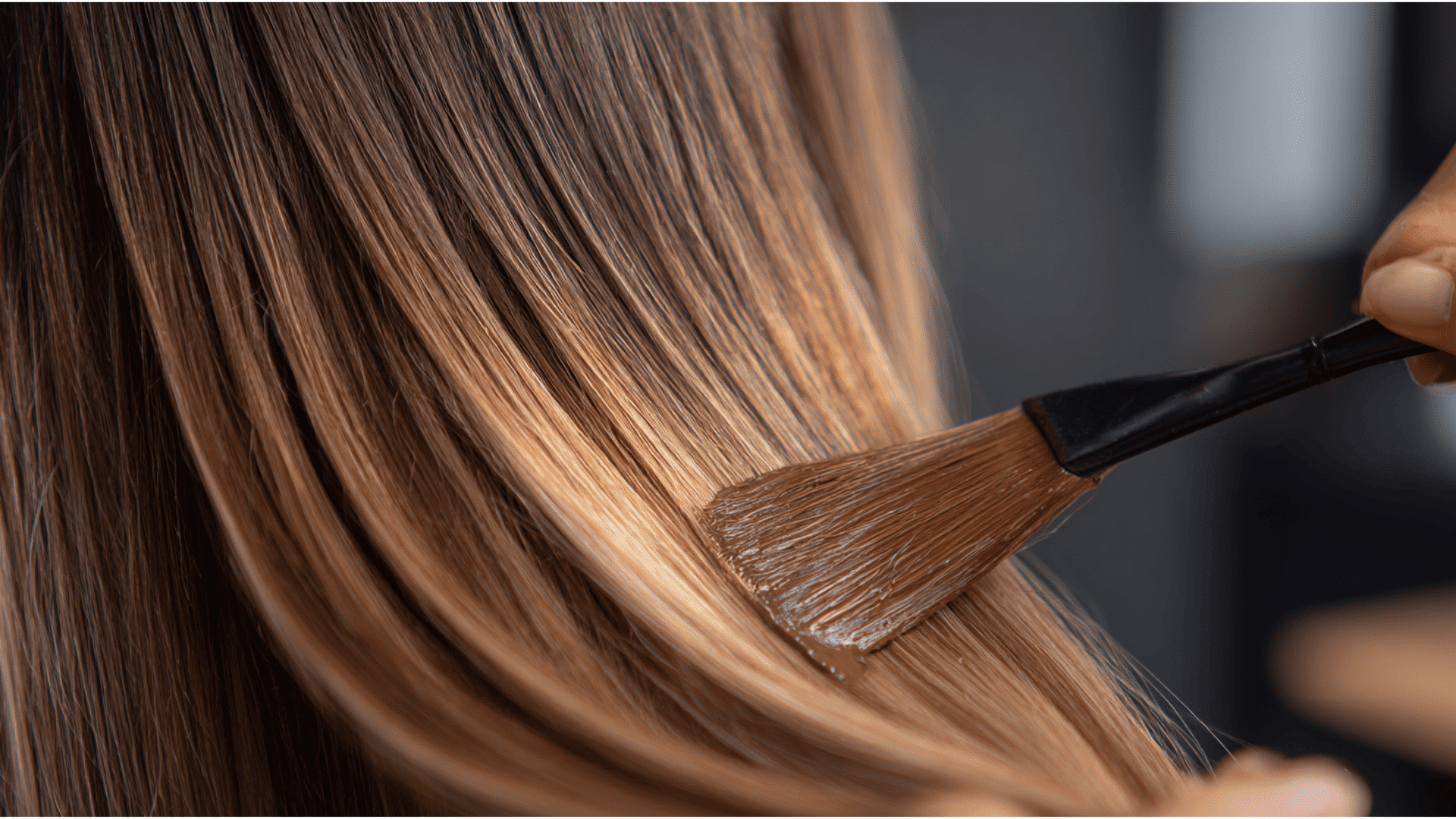
Balayage is a French word meaning “to sweep.” It’s a freehand painting technique where your stylist brushes color onto your hair without foils.
The lightener is applied to the hair’s surface, focusing on mid-lengths and ends while keeping roots darker. Placement is customized to frame your face and add dimension where you want it.
The result looks soft and natural with no harsh lines or obvious stripes. Color transitions smoothly from dark to light, and the grow-out is gradual.
Many people describe it as a “lived-in” finish, like sun-kissed hair. Balayage works well for anyone wanting subtle brightness and suits most hair textures.
What Is Foilyage?
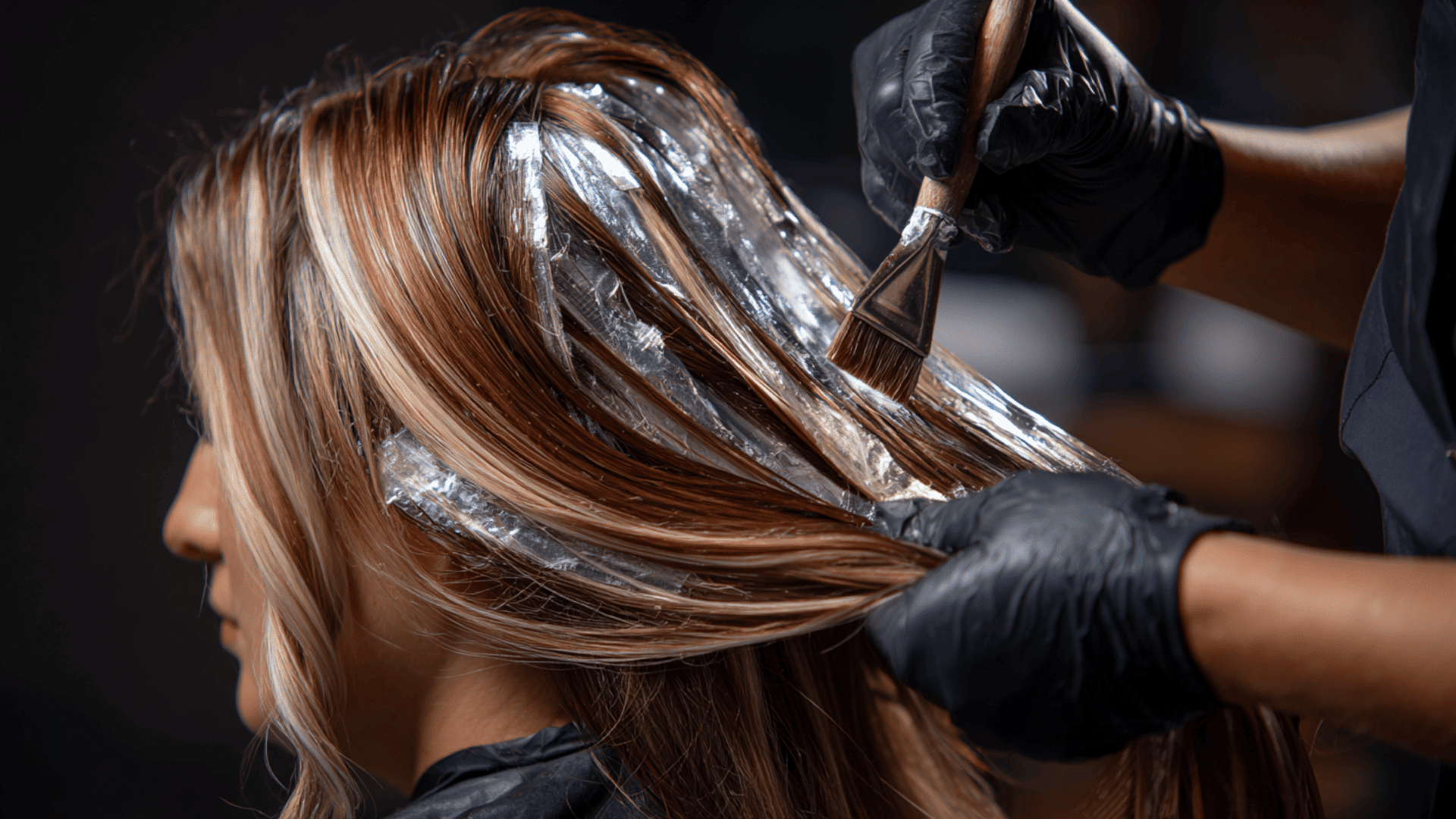
Foilyage is a hybrid technique that combines balayage-style painting with traditional foils. Your stylist hand-paints the lightener onto your hair, then wraps each section in foil.
The foil traps heat and helps the lightener work faster and more intensely, allowing for brighter results. The look features brighter ribbons of color with stronger contrast.
You’ll see more defined highlights that really pop with more “blonde impact.” But because the color is still hand-painted, it stays blended and not stripey.
Foilyage is ideal for darker base colors needing noticeable lift. It’s perfect for brunettes who want bright blonde highlights without orange tones.
Foilyage vs Balayage: Key Differences
Now that you know how each technique works, let’s break down the main differences. This side-by-side comparison will help you see exactly how they stack up.
Technique
Balayage uses open-air painting where the color is processed without any foils. This exposure to air creates a softer, more gradual lift.
Foilyage uses the same freehand painting method but adds foils after application. The foils trap heat and create a warmer environment that intensifies the lightening process for brighter results.
Brightness and Lift Level
Balayage gives you a softer, more subtle lift. The highlights are gentle and natural-looking. Foilyage delivers higher lift because the foils help the lightener work harder.
If you want your highlights to really stand out, foilyage is the stronger choice.
Overall Look
With balayage, you get a natural, sun-kissed appearance. The highlights blend softly into your base color. With foilyage, you get brighter, more contrasted dimensions.
The highlights are more defined and have a stronger visual impact while still looking blended and not stripey.
Grow-Out and Maintenance
Balayage typically grows out very seamlessly. Because the color is painted softly and the roots are left natural, you won’t notice regrowth as quickly for months.
Foilyage may need a gloss or toner refresh sooner, especially if you lifted very light. The brighter highlights can show undertones as they fade.
Timing and Cost
Foilyage often takes longer in the salon because of the extra step of wrapping foils. This can sometimes mean a higher price tag.
However, both techniques vary in cost depending on your hair length, density, starting color, and target shade. Always ask for a quote during your consultation.
Hair Health Considerations
Higher lift means more potential for dryness and damage. Since foilyage lifts brighter, there’s a slightly higher risk of stress on your strands.
This is why many stylists recommend bond builders during the process. Good aftercare is essential for both techniques, but especially for foilyage.
Cost of Foilyage vs Balayage
The cost of foilyage vs balayage can be different because the work is not the same. Balayage often starts around $150 for a full service, and some smaller/partial options may start closer to $75–$100.
Foilyage usually starts higher, often around $250–$400, because your stylist paints the hair and then uses foils, which can take extra time and more product.
In many salons, both services are priced as specialty color. Your final cost may also include a toner or gloss to get the right shade, so always ask for a quote before you book.
Note: Prices vary by city and salon
When to Choose Balayage
Balayage is your perfect match if you want a soft, natural look without a dramatic change. It’s ideal for anyone who prefers low maintenance and fewer salon visits.
If you love subtle dimension more than bold contrast, balayage delivers precisely that. It’s also great for adding gentle brightness to hair that’s already light or achieving that effortless “lived-in blonde” or “bronde” vibe.
Balayage is especially ideal for first-timers. If you’ve never had highlights before, this technique offers an easy grow-out experience.
You can test how you like lighter hair without committing to high-maintenance upkeep. It’s a gentle, forgiving way to start your highlight journey.
When to Choose Foilyage
Foilyage is the better choice if you want brighter highlights with visible lift. It’s perfect for anyone with dark hair who needs more power to lighten without ending up with brassy orange tones.
If you love high-contrast dimension but still want it blended and natural-looking, foilyage gives you that balance. It’s also great if you’re aiming for a strong blonde result in fewer sessions.
Foilyage shines when balayage alone won’t lift enough. If you’ve tried balayage before and felt your highlights weren’t bright enough, foilyage could be your answer.
It bridges the gap between subtle and bold, giving you noticeable results while keeping things blended.
What to Ask Your Stylist

Walking into your appointment with the right questions helps you get the best results. These are some great ones to ask:
- “Do I need balayage, foilyage, or a mix for my goal photo?”
- “How bright can we safely lift in one session?”
- “Will I need a toner or gloss, and how often should I refresh it?”
- “Should we use a bond builder to protect my hair?”
- “What maintenance schedule do you recommend, every 8 to 12 weeks or longer?”
- “What will my hair look like as it grows out?”
Pro tip: Bring two or three reference photos. Try to find pictures of people with a similar starting hair color to yours. This helps your stylist understand exactly what you’re going for and set realistic expectations.
Aftercare Tips
No matter which technique you choose, proper aftercare keeps your color looking fresh and your hair healthy.
- Use color-safe, sulfate-free shampoo. Sulfates can strip color and dry out your hair.
- Deep condition weekly. A hydrating mask helps repair and strengthen lightened strands.
- Always use heat protectant. Before blow-drying, curling, or straightening, protect your hair from heat damage.
- Use purple or blue shampoo sparingly. These help manage brassiness, but using them too often can leave a purple tint.
- Refresh with a gloss or toner. Between primary appointments, a quick gloss can revive your color’s vibrancy.
- Protect from the sun and chlorine. Use UV-protective products and always rinse your hair after swimming.
Taking care of your color at home makes a big difference. With the proper routine, your balayage or foilyage will stay vibrant and healthy for months.
Conclusion
When it comes to foilyage vs balayage, neither technique is better than the other. It all depends on your goals. Balayage gives you a softer, low-maintenance look that grows out beautifully.
Foilyage delivers brighter, bolder highlights with more lifting power, making it ideal for darker hair.
Your natural base color and hair health will determine what’s realistic in one session. That’s why a consultation with a skilled stylist is so important.
They can assess your hair, discuss your inspiration photos, and recommend the best approach for your unique situation.
Ready to transform your look? Book a consultation today and start saving your favorite inspiration photos. Your dream hair is closer than you think!
Frequently Asked Questions
Is Foilyage Better than Balayage?
Neither is “better” as they serve different purposes. Foilyage is better for brightness and lift. Balayage is better for a soft, natural look. The right choice depends on your hair goals.
Is Foilyage More Damaging than Balayage?
Foilyage can be slightly more damaging because it lifts hair lighter. However, using bond builders and proper aftercare minimizes the risk. A skilled stylist will protect your hair’s health.
Which Is Better for Dark Hair: Foilyage or Balayage?
Foilyage is often better for dark hair. The foils help lift darker strands to brighter levels without turning orange. Balayage alone may not lift dark hair enough.
How Often Do You Need Touch-Ups?
Most people refresh every 12 to 16 weeks, but it varies. If you want to maintain brightness, you might need toner appointments in between.