



Fresh hair hits different. One week, you feel unstoppable, and the next, you’re battling a stubborn side part and a neckline that won’t behave.
If you’ve ever wondered if you’re cutting it too often or not often enough, you’re not alone.
Maybe you want to stay clean for work, dates, and weekends without living at the barbershop.
The proper rhythm depends on your style, how fast your hair grows, and how sharp you want things to look day to day.
A tight fade won’t hold the same way a longer, textured cut will, and that’s totally normal. The good news is, once you find your cadence, everything feels easier.
Why Regular Haircuts Matter
A consistent haircut schedule keeps your style looking intentional instead of “grown out.”
When the shape starts to fade, even good hair can look messy, especially around the neckline, sideburns, and edges.
Regular trims also make daily styling easier because your hair sits the way the cut was designed to sit, so you spend less time fighting cowlicks, bulk, or uneven growth.
It matters for hair health, too. While cutting doesn’t change how fast hair grows, it removes split ends before they travel upward and cause more breakage.
In the long run, that helps your hair look thicker, cleaner, and better maintained.
How Often Should Men Get a Haircut?
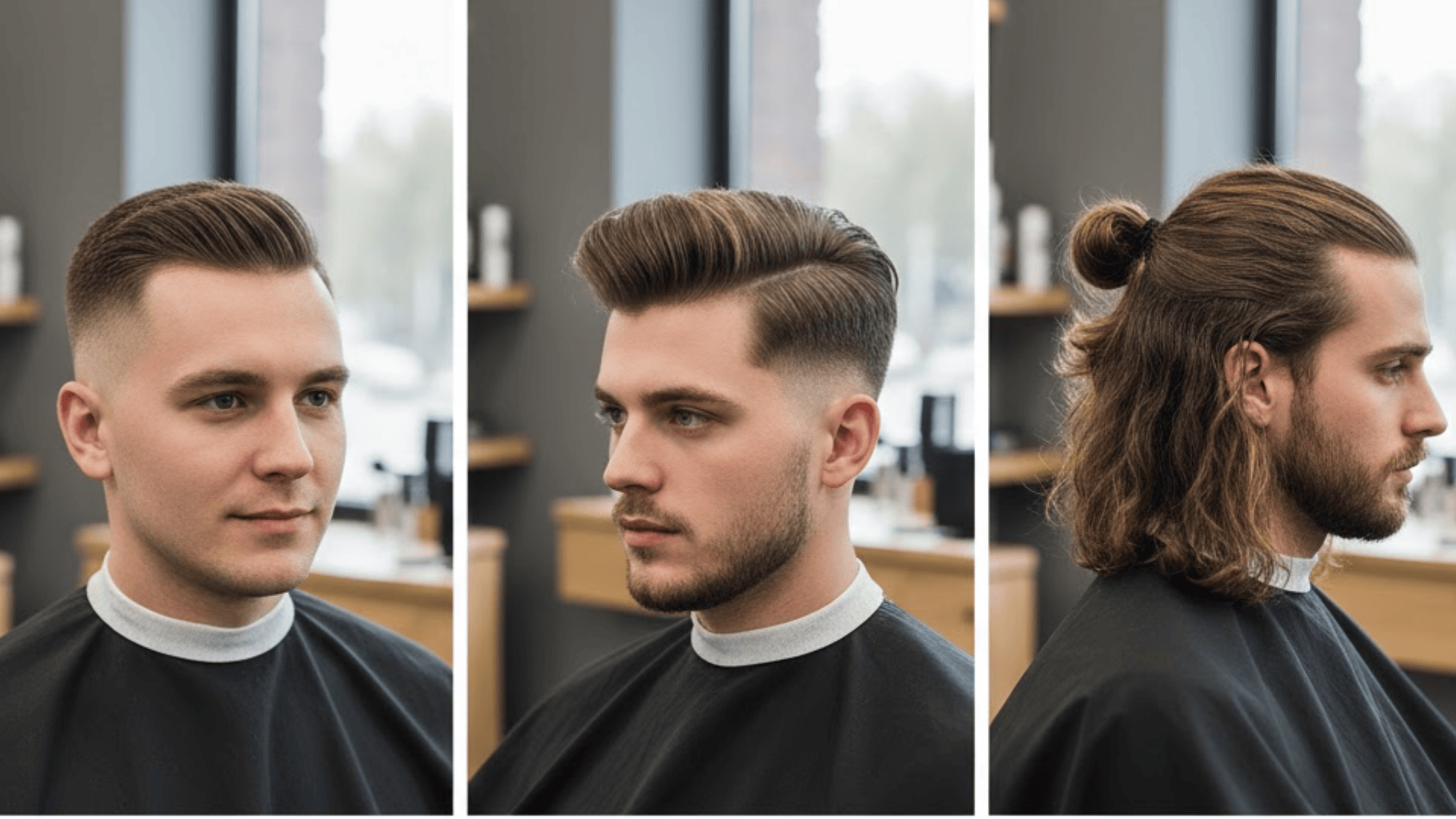
Most men look best with regular trims, but the ideal schedule depends on length, style, and how sharp you want it.
| Hair Length | Recommended Frequency | Best For |
|---|---|---|
| Short hair | Every 2–4 weeks | Buzz cuts, crew cuts, fades, tapers |
| Medium hair | Every 4–6 weeks | Textured crops, side parts, quiffs |
| Long hair | Every 6–12 weeks | Shoulder-length styles, man buns, flow |
Choose the range that fits your hair and lifestyle. Regular trims keep your style sharp, controlled, and easier to maintain.
1. Short Hair
Growth shows quickly on shortcuts, so clean lines and tight sides lose definition fast.
Frequent trims keep everything crisp, especially if you wear fades, tapers, or very short styles that rely on sharp contrast.
2. Medium-Length Hair
These styles hold their shape longer, but bulk and uneven layers creep in over time.
Trimming within this window keeps the silhouette balanced, maintains texture, and prevents your cut from looking heavy or messy.
3. Long Hair
Longer hair still needs upkeep to avoid dry ends and a shapeless look.
Regular trims keep length looking intentional, support healthy-looking growth, and help maintain styles like flow, man buns, or shoulder-length cuts.
How Often Should You Touch Up Your Fade?
Fades look sharpest when freshly blended, but their clean contrast fades quickly as new growth softens the finish.
- Skin fade / bald fade: every 1–2 weeks
- High fade: every 1–3 weeks
- Mid fade: every 2–3 weeks
- Low fade/taper fade: every 2–4 weeks
- Rule of thumb: higher, sharper fades show growth sooner; lower fades blend out smoother and last longer.
Touch-up options include a line-up (hairline, temples, sideburns), a neck cleanup, a partial fade refresh that re-blends the sides without touching the top, or a full cut to reset everything.
Do Trims Improve Hair Health or Growth?

Cutting your hair doesn’t change how it grows from the scalp. Growth happens at the follicle, so trims can’t make hair grow faster, thicker, or stronger.
What regular trims do help with is keeping hair looking healthier by removing damage before it spreads.
Snipping split ends stops them from traveling up the hair shaft, which reduces breakage and helps you keep the length you’re already growing.
That’s why trimming can seem like it boosts growth, your ends look fuller, and you’re losing less length to snapping and fraying.
Trims matter most if you use heat tools, color or chemicals, struggle with dryness and tangles, or notice brittle ends.
Why Do Haircuts Look Better After a Week?
A haircut can feel almost too crisp on day one, but after a few days, it looks smoother, softer, and more natural.
The “Settling In” Effect
- Fresh cuts can look extra clean right away
- After a few washes, hair softens and relaxes
- Edges blend, and fades look more natural
- Layers fall into place and sit better
- The style seems more lived-in and balanced
Timing Tip for Events
- Book your cut 5–7 days before a wedding, interview, or date
- You’ll hit the sweet spot: fresh, not brand new
- Same-day cuts can risk that “just cut” look
If you want that effortless finish, plan. A little time lets the cut relax and blend, so it looks sharp without shouting.
What Factors Can Affect How Often You Need a Haircut?
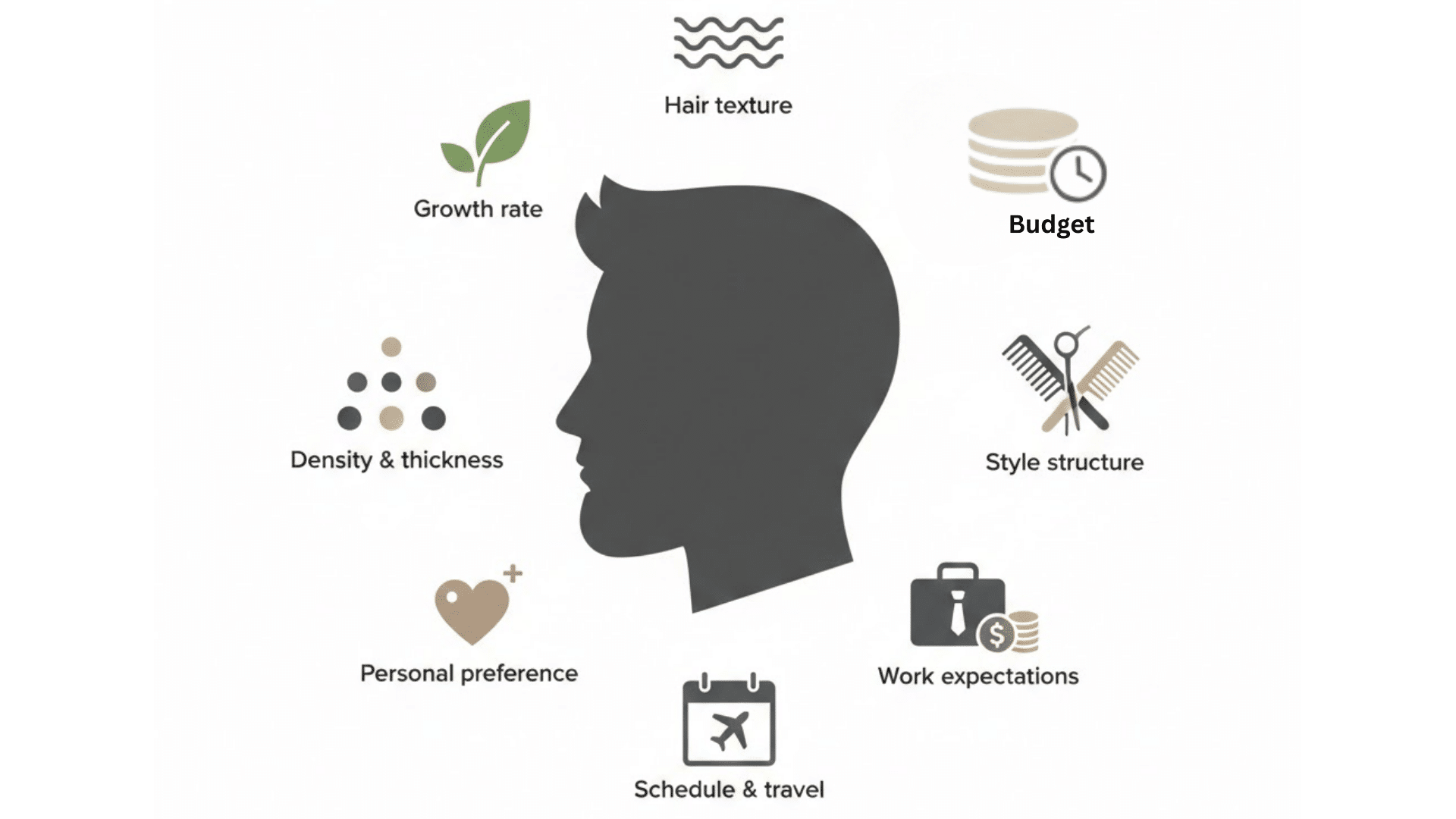
Haircut timing isn’t one-size-fits-all. Your hair, lifestyle, and style goals decide how quickly you feel overdue.
- Growth rate: Some hair grows faster, so your shape disappears sooner. Average growth is about 0.5 inches monthly, varying widely.
- Hair texture: Straight hair shows length quickly, while curls hide growth better. Tighter textures often look consistent longer between cuts.
- Density and thickness: Thick, dense hair gets bulky fast and can feel more complicated to manage. Fine hair grows out less dramatically.
- Style structure: High-structure cuts like fades need frequent upkeep, while softer scissor cuts grow out more naturally and forgivingly.
- Work expectations: Some jobs expect a polished, consistent look, which pushes for more frequent cuts. Casual workplaces usually allow longer gaps.
- Budget: Haircuts can add up, so cost may determine how often you go. Low-maintenance styles help stretch appointments.
- Personal preference: Some guys prefer a fresh-cut look constantly, while others don’t mind some growth. Comfort and confidence decide.
- Schedule and travel: Busy weeks, travel, or long hours can delay appointments. Choosing a cut that grows out well makes life easier.
Once you know what affects your timing, you can pick a schedule that stays sharp without wasting money or time.
Men’s Haircut Time & Cost
Haircut time and cost vary by style and detail. Here’s what most men can expect for timing and pricing.
| Type | Typical Time | Typical Cost |
|---|---|---|
| Basic buzz cut / simple trim | 10–20 minutes | $15–$25 |
| Standard men’s haircut | 20–30 minutes | $25–$50 |
| Detailed fade / complex style | 30–45+ minutes | $30–$70+ |
| High-end / luxury stylist | 45–60+ minutes | $100+ |
Prices depend on where you go; chains, local barbers, and premium shops charge differently, especially in big cities.
Can I Cut My Own Hair?
Yes, some cuts are totally doable at home if you keep it simple. Buzz cuts are the easiest with decent clippers and guards, and basic trims (taking a small amount off evenly) are manageable.
Many guys also handle neckline cleanups and minor touch-ups around the ears or temples between barber visits.
The biggest DIY mistakes come from attempting fades or sharp lineups, blending can turn choppy fast, and hairlines are easy to make uneven in the mirror.
Another common issue is pushing the neckline too high, which looks unnatural.
The safest approach is maintenance-only at home and leaving fades or significant shape changes to professionals.
For a detailed walkthrough, check this video by Alex Kouras on cutting your own hair at home.
How Should Men Care for Their Hair Between Barber Visits?
Good maintenance between cuts keeps your hair looking sharper, styling easier, and your scalp healthier, even as it grows out.
- Wash smart: Oily hair may need daily shampoo, while normal-to-dry hair often does better every 2–3 days to avoid dryness.
- Condition regularly: Conditioner adds moisture, reduces frizz, and helps textured or longer hair stay soft, manageable, and less prone to breakage.
- Use light styling products: Choose pomade, clay, or gel that fits your hair type for control and definition without heavy buildup.
- Keep short styles tidy: Brush daily, clean stray neckline hairs, and avoid touching fade lines or over-trimming edges between appointments.
- Protect hair health: Use heat protectant, limit harsh chemicals, comb gently (especially wet hair), and eat a protein- and vitamin-rich diet.
Small habits make a big difference. Stay consistent, avoid aggressive DIY touch-ups, and your next haircut will look even better.
Making Your Decision
At the end of the day, your haircut routine should make your mornings easier, not add another chore.
If you keep googling “how often should men get a haircut,” treat it less like a rule and more like a personal baseline you can adjust.
Pay attention to the moment your style stops sitting right, when the neckline looks fuzzy, the sides lose shape, or you’re using extra product to control it.
Tell your barber what you want your grow-out to look like, and ask for a cut that matches your lifestyle and budget.
Ready to lock it in? Put your next appointment on the calendar now and stick with it.
Frequently Asked Questions
Should I Wash My Hair Before a Haircut?
Wash it the night before; arrive with clean hair unless your barber prefers otherwise.
Is It Better to Cut Hair Wet or Dry?
Wet cuts suit precision; dry cuts help barbers see natural texture and movement.
What Should I Tell My Barber For Consistent Results?
Bring a reference photo, mention past issues, and agree on a maintainable length and shape.
How Can I Fix A Bad Haircut Fast?
Ask for a cleanup, restyle with product, or wear it slightly shorter to blend.