



Forehead bumps can show up without warning and make the skin feel rough or uneven. They often come from clogged pores, excess oil, or simple daily habits that go unnoticed.
Learning how to get rid of forehead bumps starts with understanding what is causing them in the first place. Some people deal with tiny skin-colored bumps, while others notice small breakouts that keep returning.
I’ve seen how confusing it can feel when nothing seems to work. With the right skincare steps and a few habit changes, the skin can slowly become clearer and smoother over time with patience and care.
What are Tiny Forehead Bumps? Understanding the Skin Texture
Forehead bumps are usually small skin-texture issues, such as closed comedones, mild acne, or clogged pores.
These tiny bumps on the forehead often form when oil, dead skin, and dirt become trapped in the pores. Unlike regular pimples, they are usually not red, swollen, or painful because there is no strong inflammation.
Many people also mistake them for fungal acne, irritation bumps from skincare or hair products, or even benign skin growths that affect overall smoothness.
The forehead is a common area for these bumps because it produces more oil and often comes in contact with sweat, hair oils, and styling products, which can easily clog pores over time.
What Causes Forehead Bumps?
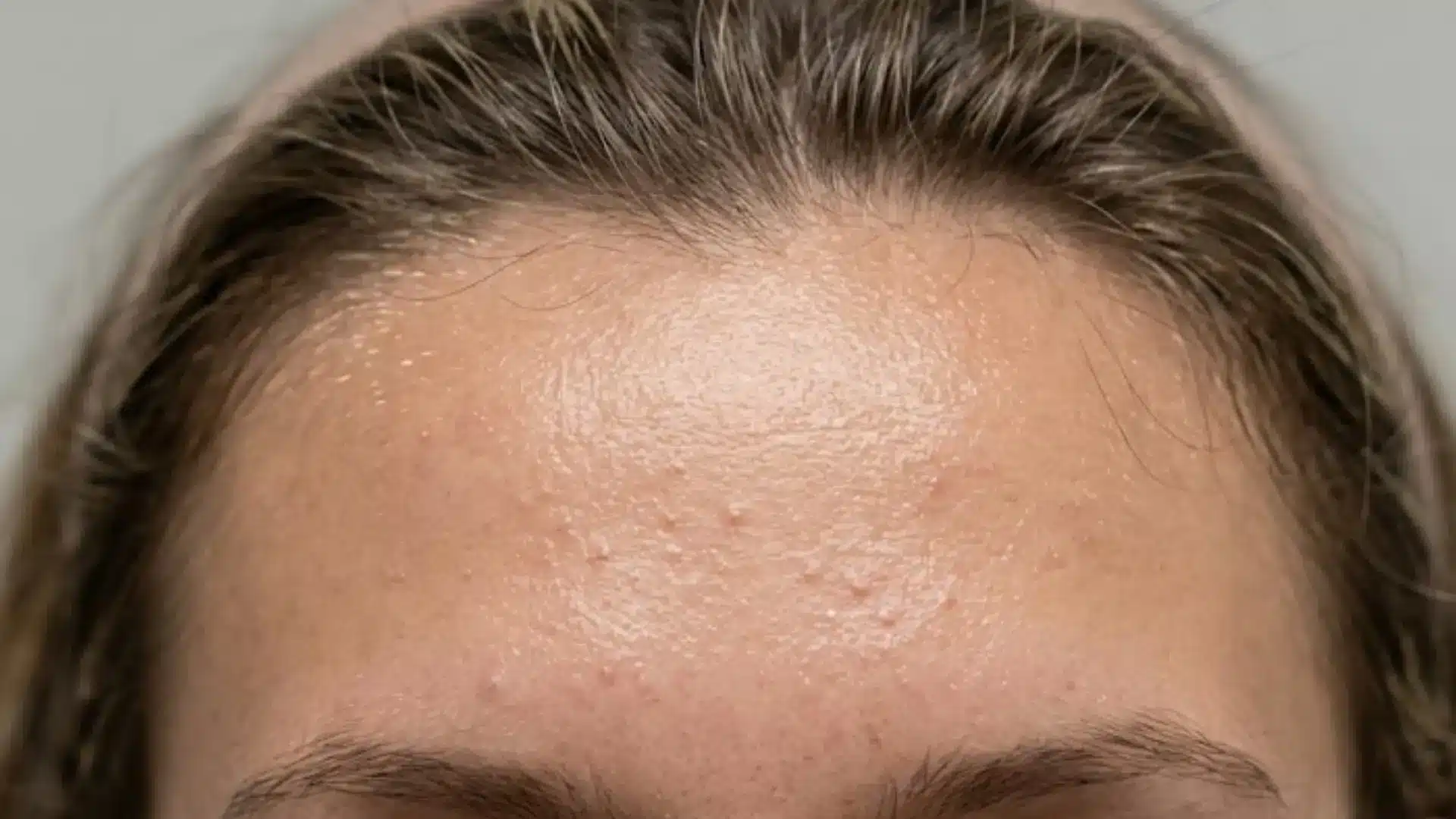
Forehead bumps usually form when pores get blocked or the skin produces too much oil. In most cases, causes of forehead acne are a mix of daily habits, skin type, and product use.
- Excess Oil Production: The forehead naturally produces more oil. When this oil builds up, it can clog pores and lead to bumps.
- Hair Products Clogging Pores: Gels, pomades, and hair oils can spread to the forehead and block pores, especially near the hairline, making flattering face-framing haircuts a practical consideration.
- Sweat and Friction: Wearing hats, helmets, or headbands can trap sweat and cause rubbing, which may trigger small bumps.
- Hormonal Changes: Hormone shifts can increase oil production, making the skin more likely to break out.
- Poor Cleansing or Makeup Buildup: Not removing makeup properly or skipping cleansing can leave residue that clogs pores.
- Diet and Lifestyle Triggers: High sugar intake, stress, and lack of sleep may worsen breakouts in some people.
These causes often work together, so forehead bumps rarely have just one reason.
How to Get Rid of Forehead Bumps Fast?
Forehead bumps can improve with a simple, consistent skincare routine. The goal is to keep pores clean, reduce oil, and prevent new bumps from forming.
A step-by-step approach works better than using too many products at once.
- Gentle Cleanser (Morning & Night): Wash your face twice daily with a mild cleanser to remove oil, sweat, and dirt without drying the skin.
- Salicylic Acid (Night): Use a salicylic acid product a few times a week to unclog pores and reduce tiny bumps on the forehead.
- Benzoyl Peroxide (Spot Use): Apply a small amount to active pimples to help reduce acne-causing bacteria and swelling.
- Retinoids (Night Routine): Use retinoids slowly to improve skin texture and prevent closed comedones over time.
- Non-Comedogenic Products (Daily Care): Choose skincare and makeup labeled non-comedogenic to avoid clogging pores.
Stick to this routine for a few weeks to see gradual improvement without irritating the skin.
Dermatologist-Approved Treatments for Forehead Bumps
When basic skincare does not improve forehead bumps, dermatologists often recommend stronger active ingredients and targeted treatments.
These work by clearing clogged pores, controlling excess oil, and improving skin cell turnover.
1. Salicylic Acid (Deep Pore Clearing for Clogged Bumps)
Salicylic acid is a BHA that is oil-soluble, so it can go deep into pores and break down trapped oil, dead skin, and buildup. This makes it effective for closed comedones and small forehead bumps.
It also helps reduce excess oil, which lowers future breakouts.
Start with a low-strength formula and use it a few times a week to avoid dryness or irritation.
Recommended Products:CeraVe SA Cleanser and Neutrogena Oil-Free Acne Wash
2. Glycolic Acid (Surface Renewal for Smoother Texture)
Glycolic acid is an AHA that works on the skin’s surface by removing dead skin cells and improving rough texture.
It helps make the forehead smoother and brighter by clearing dull, uneven buildup. It does not go deep into pores but supports overall skin renewal.
Use it 2–3 times a week and avoid combining it with other strong exfoliants on the same day.
Recommended Products: The Ordinary Glycolic Acid 7% Toning Solution and Drunk Elephant T.L.C. Framboos Glycolic Night Serum
3. Niacinamide (Oil Balance + Skin Barrier Support)
Niacinamide helps regulate oil production and calm inflammation without exfoliating the skin. It strengthens the skin barrier, which helps prevent pores from getting clogged again.
It also reduces marks left by past bumps and improves skin tone over time. This ingredient is gentle and can be used daily, making it useful for long-term maintenance of clear skin on the forehead.
Recommended Products: Paula’s Choice 10% Niacinamide Booster and The Ordinary Niacinamide 10% + Zinc 1%
4. Retinoids (Most Effective for Persistent Closed Comedones)
Retinoids are vitamin A derivatives that accelerate skin cell turnover and help prevent pores from becoming blocked. They are commonly used the treat closed comedones and stubborn forehead acne.
Over time, they help keep pores clear and reduce the formation of new bumps. Some dryness or mild purging may occur at the start, so it is important to introduce them slowly and always use sunscreen during the day.
Recommended Products:ROC Retinol Correxion Deep Wrinkle Night Cream
Common Mistakes that Make Forehead Bumps Worse
Forehead bumps often do not improve because of small daily habits that damage the skin barrier or repeatedly clog pores. Even when skincare is working, these mistakes can slow down results or cause new breakouts.
| DO | DON’T |
|---|---|
| Clean face twice daily with a gentle cleanser | Over-wash the face, which can cause dryness and irritation |
| Use light, non-comedogenic hair products | Apply heavy oils or gels that spread to the forehead |
| Let bumps heal naturally | Pick or squeeze bumps, which can worsen inflammation |
| Use a light, non-comedogenic moisturizer | Skip moisturizer, which can increase oil production |
| Wash pillowcases and hats regularly | Reuse dirty pillowcases or hats that trap oil and bacteria |
Small changes in these habits can help reduce new bumps and support your skincare routine. Many cases of forehead acne keep coming back because of repeated exposure to these triggers.
Once these mistakes are avoided, the skin has a better chance of staying clear and healing properly over time.
How to Prevent Forehead Bumps from Coming Back?
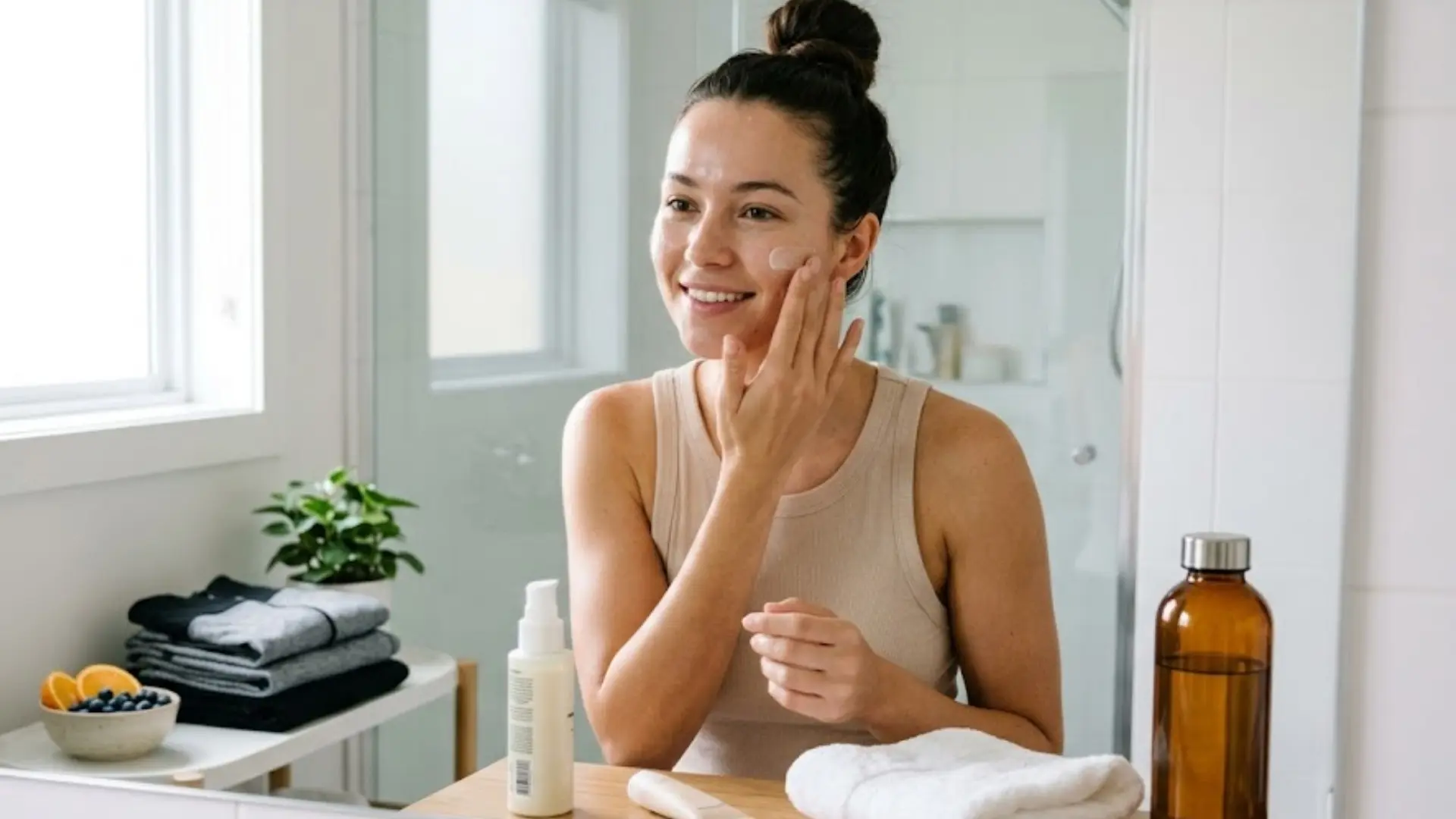
Forehead bumps can return if the same triggers continue to affect your skin. The key is to build simple daily habits that keep pores clear and reduce excess oil.
A steady routine works better than switching products too often or using too many active ingredients at once.
- Keep Hair Away from the Forehead: Hair can carry oil and styling products that clog pores, so keeping it off the forehead helps reduce bumps.
- Use Lightweight Skincare: Choose non-comedogenic products that won’t clog pores or feel heavy on the skin.
- Follow a Consistent Routine: Stick to a simple skincare routine rather than overusing products or switching them too often.
- Monitor Diet and Hydration: Drink enough water and limit sugar intake, as both can affect skin balance in some people.
- Clean Skin After Sweating: Wash your face after workouts or periods of heavy sweating to remove excess oil and prevent pore buildup.
These small habits help keep forehead bumps under control and support clearer skin over time.
When Should You See a Dermatologist?
Forehead bumps usually improve with simple skincare, but sometimes they need professional care.
You should see a dermatologist if the bumps persist for more than 6–8 weeks without improvement, even after trying basic treatments.
Painful, red, or inflamed acne is another sign that needs attention, especially if it keeps getting worse. It is also important to get help if the bumps spread across the face or into the scalp.
If over-the-counter products are not working, a dermatologist can check the cause and suggest stronger treatment for severe forehead acne or persistent forehead bumps that do not heal on their own.
Final Thoughts
Knowing how to get rid of forehead bumps is not about quick fixes but about consistent care and simple changes in routine.
Most cases improve when clogged pores are treated gently, hair and skincare products are kept light, and skin is cleaned properly after sweat or buildup.
I’ve noticed that small habits often make the biggest difference over time.
If forehead bumps are still not improving, it may be time to consider stronger treatments or a dermatologist’s advice. Share your experience in the comments if you’ve dealt with forehead bumps before.
Let others know if you found something that worked well for your skin.
Frequently Asked Questions
Can I Use Salicylic Acid and Benzoyl Peroxide Together?
Yes, but use them at different times of the day to avoid dryness. Use Salicylic Acid in the morning to unclog pores and Benzoyl Peroxide at night to kill bacteria
Why are the Bumps on My Forehead Itchy?
Itchiness is the main sign of fungal acne (Malassezia folliculitis), not standard acne. Standard bacterial acne usually feels sore or tender, not itchy.
How Long Does It Take for Forehead Bumps to Go Away?
With consistent use of Salicylic Acid or a Retinoid, you should see noticeable improvement in 4 to 6 weeks. If there is zero change after 8 weeks, see a dermatologist.