


Heat-damaged hair is one of the most common problems people face when styling with hot tools.
If you regularly use flat irons, curling wands, or blow dryers, you’ve probably noticed your hair doesn’t feel quite right. Maybe it’s rough to the touch or breaks easily when you brush it.
The good news is that you’re not alone in this struggle. Millions of people deal with heat damage every single day.
Understanding what causes this damage and how to fix it can help you get your healthy hair back.
We cover everything you need to know about recognizing, treating, and preventing heat-damaged hair so you can style with confidence.
How Does Heat Damage Your Hair
Your hair is made up of proteins held together by bonds that give it strength. When you apply high temperatures from styling tools, these bonds break down.
The outer protective layer, called the cuticle, lifts up and becomes damaged. This exposes the inner part of your hair strand, making it weak.
Heat also evaporates moisture inside your hair, leaving it dry and brittle. The damage happens gradually, so you might not notice it right away. Each time you use hot tools without protection, you’re adding more damage.
Can it be reversed? Heat permanently alters bonds in dead hair cells, but treatments significantly improve appearance/strength and prevent worsening.
What Are the Clear Signs of Heat-Damaged Hair

Recognizing the warning signs early helps you take action before the damage gets worse. Here are the most common indicators that heat has harmed your hair:
- Rough, straw-like texture: Your hair feels coarse and scratchy instead of smooth when you run your fingers through it.
- Split ends that won’t go away: The ends of your hair are frayed and splitting, even shortly after getting a trim.
- Excessive breakage: Short, broken hairs appear around your hairline and throughout your length.
- Loss of natural curl pattern: If you have naturally curly or wavy hair, those patterns become limp and undefined.
- Dullness and lack of shine: Your hair looks flat and matte instead of having a healthy glow.
- Tangles easily: Your hair knots up constantly and is difficult to comb through without pulling.
- Difficulty holding styles: Curls fall out quickly, and straight styles don’t stay smooth.
- Extreme dryness: Your hair feels parched no matter how much conditioner you use.
How Do You Fix Hair Damaged by Heat
Repairing heat damage takes time and patience, but these methods can help restore your hair’s health. Consistency is key to seeing real improvements.
1. Nourish From Within: Eating for Hair Health

What you eat directly affects your hair’s strength and growth. Your hair needs specific nutrients to repair itself and grow healthy. Protein-rich foods like eggs, fish, chicken, and beans provide the building blocks your hair needs.
Vitamins A, C, D, and E support hair health from the inside out. Omega-3 fatty acids from salmon and nuts keep your scalp healthy. Biotin from foods like sweet potatoes helps strengthen hair structure. Iron from leafy greens prevents breakage and thinning.
2. Support Growth with Quality Supplements
Sometimes diet alone isn’t enough to provide all the nutrients your damaged hair needs for recovery. Hair growth supplements can fill those gaps effectively. Look for formulas containing biotin, vitamins B, C, D, and E, plus minerals like zinc and iron.
Nutrafol Women’s Hair Growth Supplements support overall hair growth through clinically-tested botanicals; pair with topical repair treatments for comprehensive heat damage recovery.
Viviscal Hair Growth Supplements contain AminoMar marine complex plus biotin and zinc, showing visible results in hair thickness and growth within three to six months of daily use.
SugarbearPRO® Hair Vegan Vitamin Gummies deliver biotin, folic acid, and vitamins C, D, and E in berry-flavored chewables that make supplementation easier while supporting hair strength and growth.
3. Repair with Specialized Hair Products
Using the right products makes a significant difference in how quickly your hair recovers from heat damage. Look for treatments with proteins to rebuild damaged strands and moisturizing ingredients to restore hydration.
Olaplex No. 3 Hair Perfector reforms broken chemical bonds at the molecular level; apply before shampooing weekly for noticeable improvement in damaged hair strength and appearance.
K18 Leave-In Molecular Repair Hair Mask works in four minutes using patented peptide technology to reverse damage by repairing broken keratin chains caused by heat styling.
4. Shield Already Damaged Strands
Protecting damaged hair prevents additional harm while it’s healing and growing out healthier. Always apply heat protectant spray before using any hot tools, even on low settings. These products create a barrier between your hair and the heat source.
TRESemmé Thermal Creations Heat Tamer Spray protects hair up to 450°F at a budget-friendly price; spray on damp or dry hair before using any hot styling tools.
CHI 44 Iron Guard Thermal Protection Spray shields hair up to 450°F while adding shine and reducing frizz with silk proteins that strengthen hair during heat styling.
5. Use Hair Oils Strategically
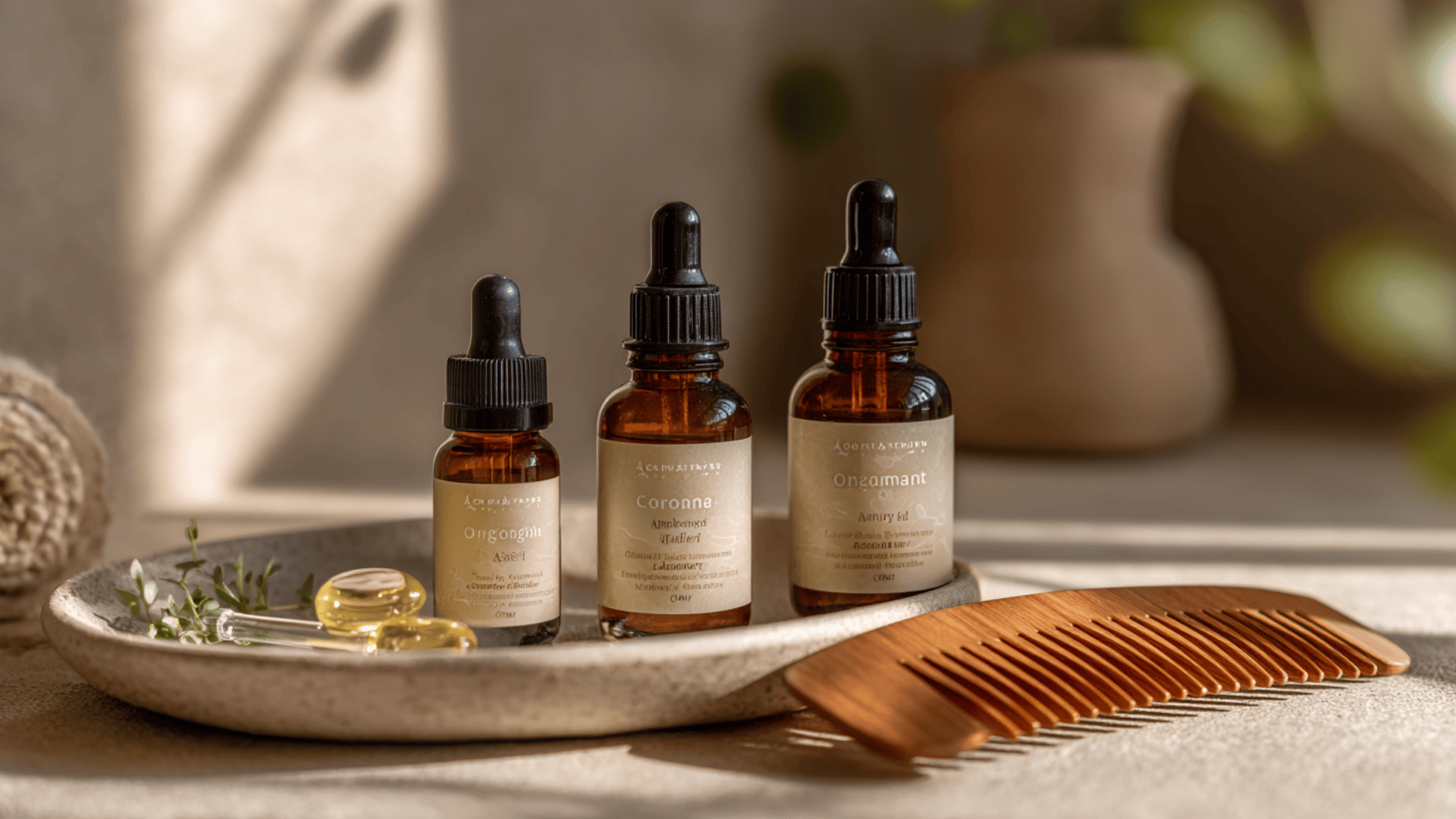
Not all oils work the same way on damaged hair, so choosing the right one matters greatly. Argan oil is lightweight and absorbs easily without weighing hair down. Coconut oil penetrates the hair shaft to provide deep moisture and protein protection. Jojoba oil closely mimics your scalp’s natural oils.
Moroccanoil Treatment Original contains argan oil that works well on all hair types; use just a few drops on ends to prevent frizz and add shine without greasiness.
Olaplex No. 7 Bonding Oil combines bond-building technology with lightweight oils for heat protection up to 450°F while repairing damage and adding dramatic shine to hair.
OGX Renewing + Argan Oil of Morocco Penetrating Oil provides affordable moisture with Moroccan argan oil that absorbs quickly to strengthen and smooth damaged hair without heavy residue.
Understanding the Different Levels of Heat Damage
Heat damage exists on a spectrum from mild to severe. Knowing where your hair falls helps you choose the right treatment approach:
- Level 1 (Mild): Slight dryness and occasional tangles, hair still mostly manageable with minimal split ends visible.
- Level 2 (Moderate): Noticeable texture changes with more frequent breakage, increased split ends, and loss of natural shine.
- Level 3 (Severe): Rough, straw-like texture throughout, excessive breakage, complete loss of curl pattern, and extreme dullness.
- Level 4 (Critical): Hair snaps easily when stretched dry, is extremely brittle, stretches abnormally, won’t hold any style, and breaks with minimal manipulation.
Can Heat-Damaged Hair Be Repaired
This is the question everyone with heat damage wants answered. The truth is that hair is made of dead cells, so technically it can’t heal itself as skin does. However, you can dramatically improve how your hair looks and feels with proper care.
Treatments that fill in damaged areas temporarily make hair appear healthier and more manageable. Deep conditioning adds moisture back to dry strands. Protein treatments strengthen weakened hair structure.
The key is managing expectations; severely damaged sections may need to be trimmed off eventually.
Meanwhile, focus on growing out healthy new hair while caring for what you have. With consistent effort, your hair will look and feel significantly better within a few months.
Quick Tips for Preventing Hair from Heat Damage
Prevention is always easier than repair when it comes to protecting your hair. Follow these strategies to keep your hair healthy:
| Prevention Method | How to Do It | Why It Works |
|---|---|---|
| Lower heat settings | Use 300°F or below for fine hair, 350°F for medium, 400°F max for thick hair | High temperatures cause more damage faster |
| Limit frequency | Heat style only 2-3 times per week maximum | Gives hair time to recover between styling |
| Always use a protectant | Apply to damp hair before blow drying and dry hair before hot tools | Creates a protective barrier against heat |
| Keep tools moving | Don’t clamp down in one spot for more than 3 seconds | Prevents concentrated heat exposure |
| Air dry when possible | Towel dry, then let hair dry naturally or use a cool blow-dryer setting | Reduces overall heat exposure significantly |
| Get regular trims | Trim every 8-12 weeks to remove damaged ends | Prevents splits from traveling up the hair shaft |
| Deep condition weekly | Use an intensive mask for 20-30 minutes | Restores moisture and strengthens hair |
| Avoid wet styling | Never flat-iron damp or wet hair | Water heats to boiling, causing severe damage |
Final Thoughts
Dealing with heat-damaged hair can feel overwhelming, but understanding the problem is the first step to solving it.
Heat styling doesn’t have to mean sacrificing your hair’s health if you take proper precautions. By recognizing the signs early, using protective products, and giving your hair time to recover, you can repair much of the damage you see.
Remember that growing out healthy hair while maintaining what you have requires patience and consistency.
Lower your heat settings, limit how often you style, and invest in quality protective and repairing products. Your hair has amazing potential to bounce back when you treat it right.
Start implementing these changes today for noticeably healthier hair in just a few months!
Frequently Asked Questions
Is Heat Damage Permanent?
The damage itself is permanent since hair can’t heal, but new growth will be healthy, and treatments can improve the damaged hair’s appearance significantly.
How Can I Style My Hair without Heat?
Try braiding damp hair for waves, using foam rollers for curls, air drying with styling products, or experimenting with updos and protective styles.
How Often Should I Use Heat-Protectant Products?
Apply heat protectant every single time you use any hot styling tool, including blow dryers, flat irons, and curling wands, without exception.
What Is the Best Temperature for Heat Styling Tools to Prevent Damage?
Keep temperatures at 300°F or below for fine hair, 350°F for medium hair, and don’t exceed 400°F even for thick hair.