


Clothing materials have a real impact on both human health and the environment.
Some fabrics contain chemicals that irritate the skin or cause allergies. Others harm nature during production.
This raises an important question: Is modal fabric toxic? Modal is a soft, silky material used in shirts, pajamas, and underwear across major retailers.
Shoppers increasingly demand “clean” fashion clothes that are safe for bodies and gentler on the planet.
Modal shows up on clothing tags everywhere, leaving buyers curious about its safety.
Understanding what goes into this popular fabric helps families make smarter shopping choices and support the environment.
What Is Modal Fabric?
Modal is a type of fabric made from beech tree pulp. The wood is chemically processed to produce soft fibers, which are then turned into cloth.
This makes modal a semi-synthetic fiber; it starts naturally but needs chemical processing to become fabric.
Modal feels incredibly soft against skin, almost like cotton but smoother. The material breathes well, allowing air to pass through and keeping the body cool.
Modal also wicks moisture, meaning it pulls sweat away from skin and dries faster than regular cotton.
These qualities make modal popular for underwear, bed sheets, pajamas, and activewear. The fabric drapes nicely and resists shrinking after washing.
Is Modal Fabric Toxic?
Modal fabric safety depends on production methods and certifications. Research shows varying levels of toxicity across manufacturing and final products.
- Chemical Exposure During Production: Modal production processes use chemicals such as sodium hydroxide and carbon disulfide that can harm factory workers. The finished fabric contains minimal leftover chemicals, making it safe to wear.
- Effects on Sensitive Skin: A Journal of Dermatology study found that modal caused fewer allergic reactions than polyester. Modal works well for people with sensitive skin.
- Environmental Impact: Cambridge University research shows modal is more sustainable than regular cotton, but uses chemicals that can harm water if poorly managed. Many manufacturers now use eco-friendly practices.
- Safety Certifications and Standards: OEKO-TEX® and GOTS certifications prove that modal meets safety standards. Lenzing™ Modal and TENCEL™ Modal use closed-loop systems that safely recycle chemicals, reducing health risks.
How is Modal Made?
Understanding the production process reveals whether modal carries toxic risks.
1. Harvesting Beech Trees

Modal starts with beech trees growing in forests. Workers cut down these trees and take the wood to factories. Beech trees contain cellulose inside the wood. Cellulose is what makers need to create modal fabric.
2. Pulping the Wood
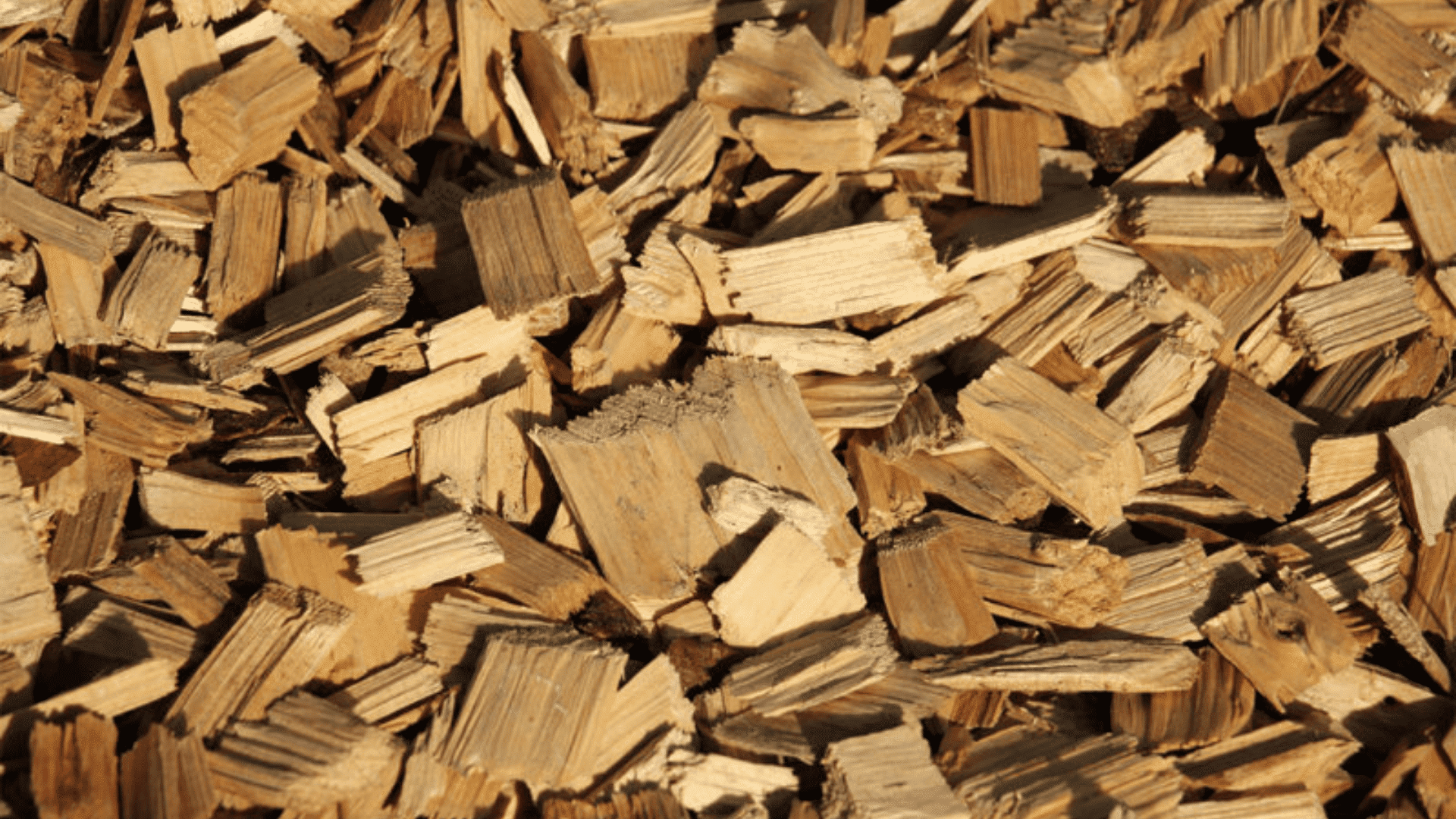
Factory workers chop the beech wood into tiny pieces. They soak these pieces in water and chemicals to soften them. The wood breaks down into a thick, gooey mix called pulp. The pulping looks a lot like making paper from trees.
3. Chemical Treatment & Fiber Formation
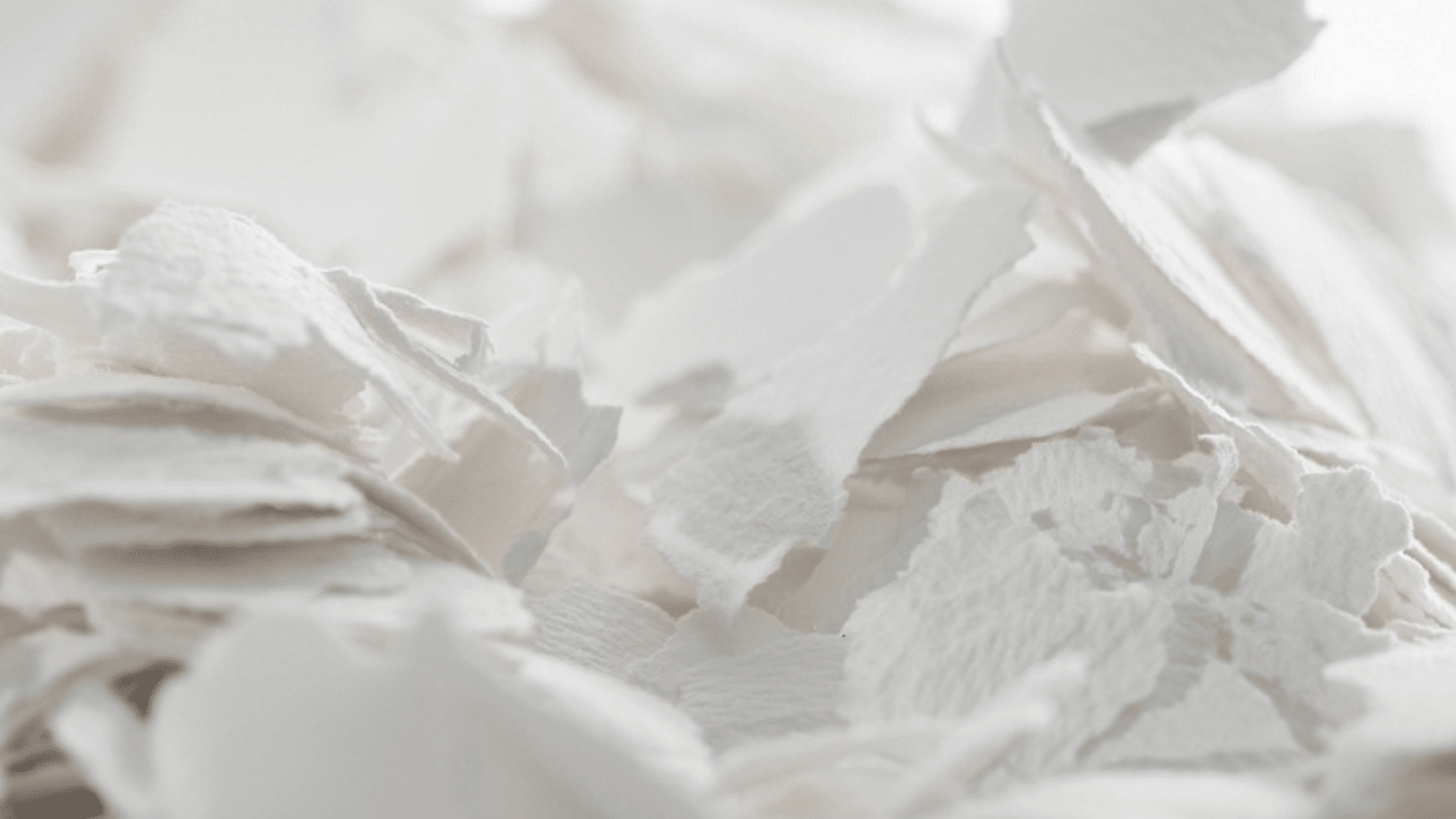
The pulp gets mixed with strong chemicals that turn it into a liquid. One common chemical used is sodium hydroxide, which melts the wood fibers.
The liquid gets squeezed through tiny holes like a strainer. When it comes out, it hardens into thin strands that look like hair.
4. Spinning into Fibers
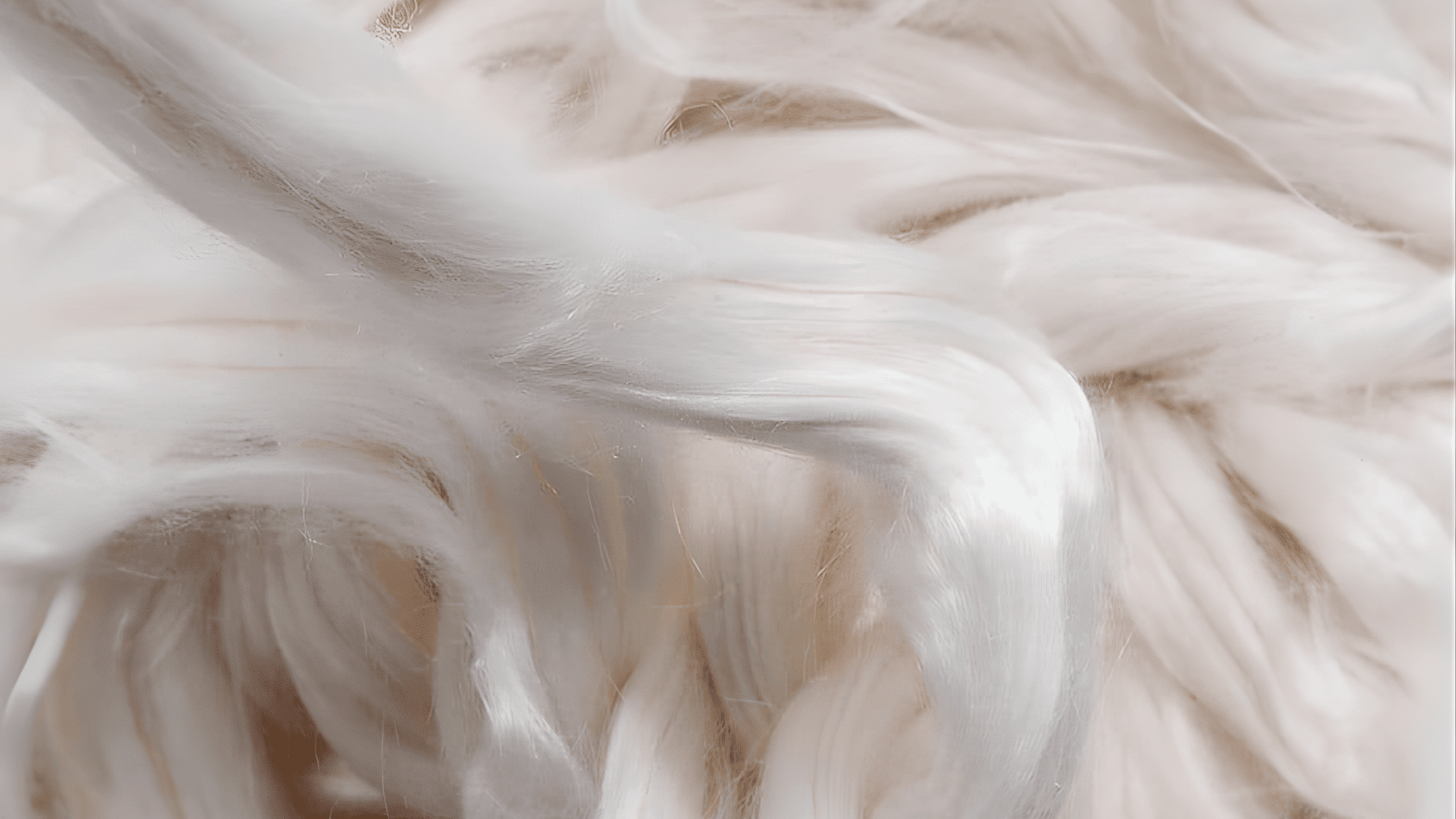
Workers collect the thin strands and stretch them to toughen them. Machines twist several strands together to make a thicker thread.
The thread becomes strong enough to make into cloth. Spinning works similarly to making cotton or polyester thread.
5. Finishing the Fabric
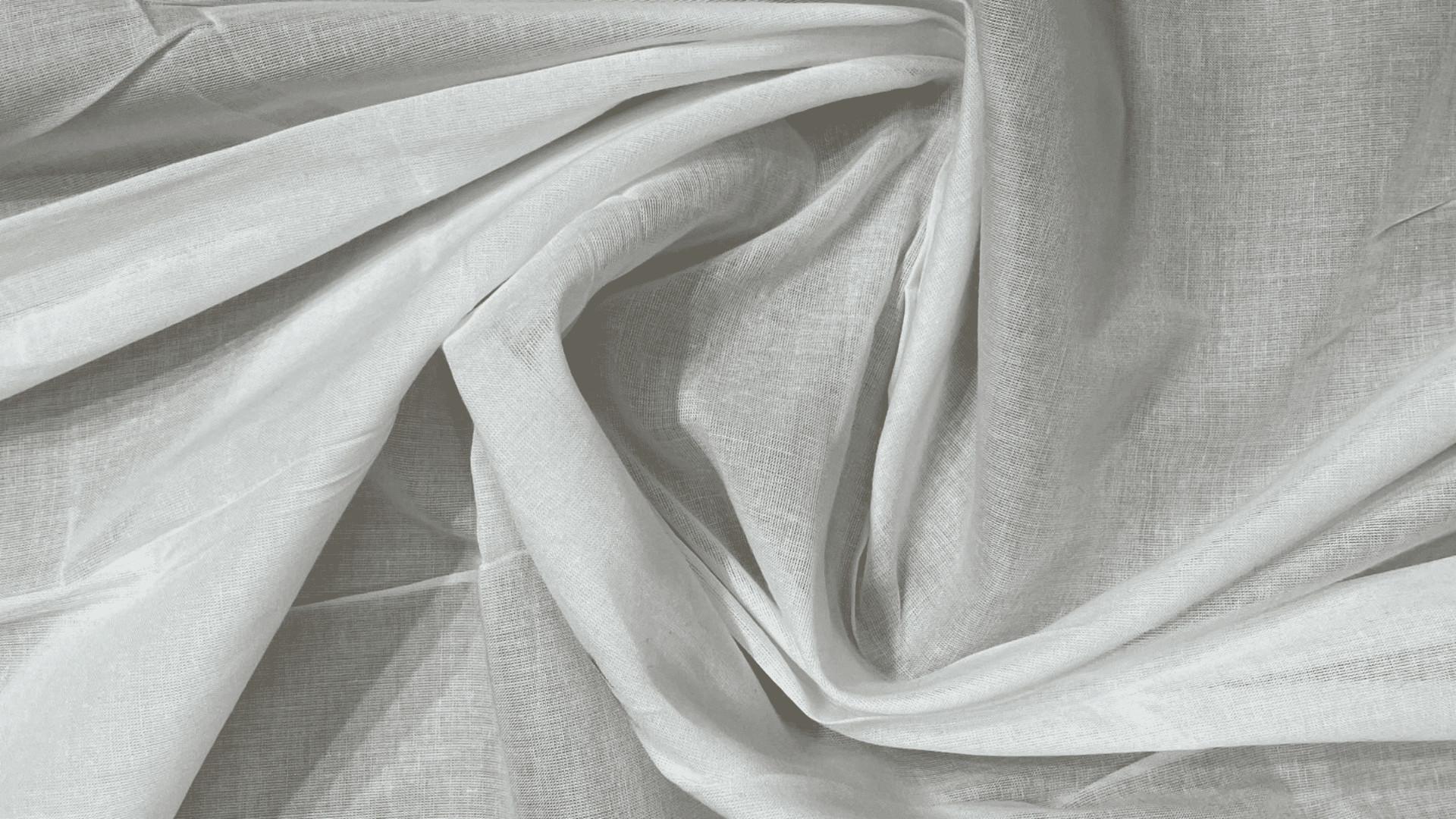
The cloth is washed to remove excess chemicals. Makers might add color or make it softer to the touch.
Special treatments prevent the fabric from shrinking during washing. After all the finishing steps, the modal fabric goes to stores that make clothes.
Worst Toxic Fabrics
Some fabrics pose greater health and environmental risks than others due to harmful production methods and chemical treatments.
1. Polyester

Polyester comes from petroleum, the same material used to make plastic. The production process releases harmful chemicals into the air and water.
Wearing polyester traps heat and moisture against the skin. The fabric sheds microplastics during washing, polluting oceans and harming marine life.
Material Source: Petroleum-based polyethylene terephthalate (PET) with ester linkages.
2. Acrylic
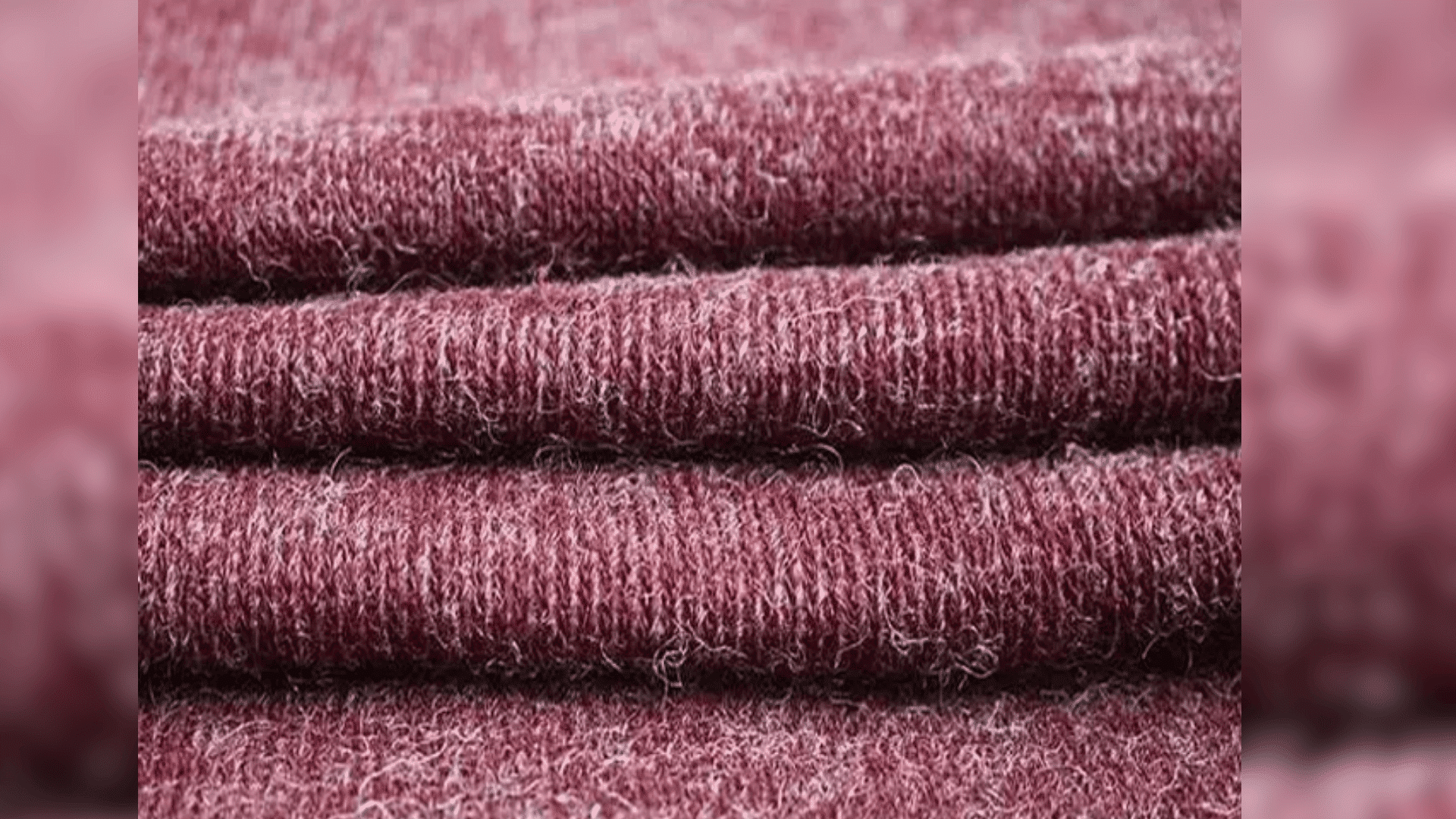
Acrylic fabric production uses toxic chemicals like acrylonitrile, a known carcinogen. Factory workers face serious health risks during manufacturing.
The fabric does not breathe well and can cause skin irritation. Acrylic releases microfibers into water supplies during washing.
Material Source: Acrylonitrile monomers from petroleum and natural gas.
3. Nylon
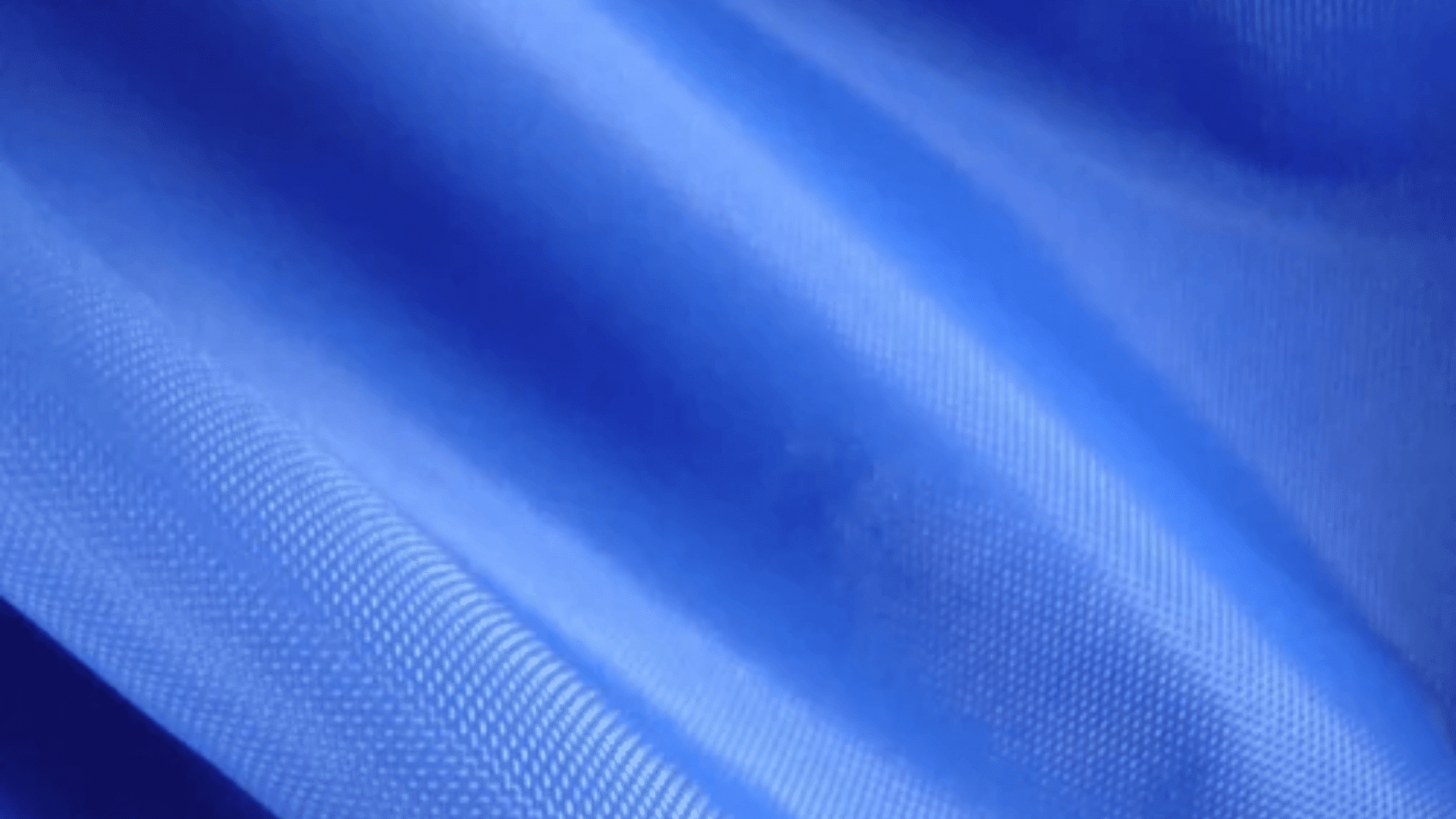
Nylon manufacturing requires large amounts of energy and creates nitrous oxide pollution. Nitrous oxide is a greenhouse gas worse than carbon dioxide.
The fabric traps moisture and bacteria against the skin. Nylon takes hundreds of years to break down in landfills.
Material Source: Petroleum-based polyamides from diamines and dicarboxylic acids.
4. Conventional Rayon/Viscose
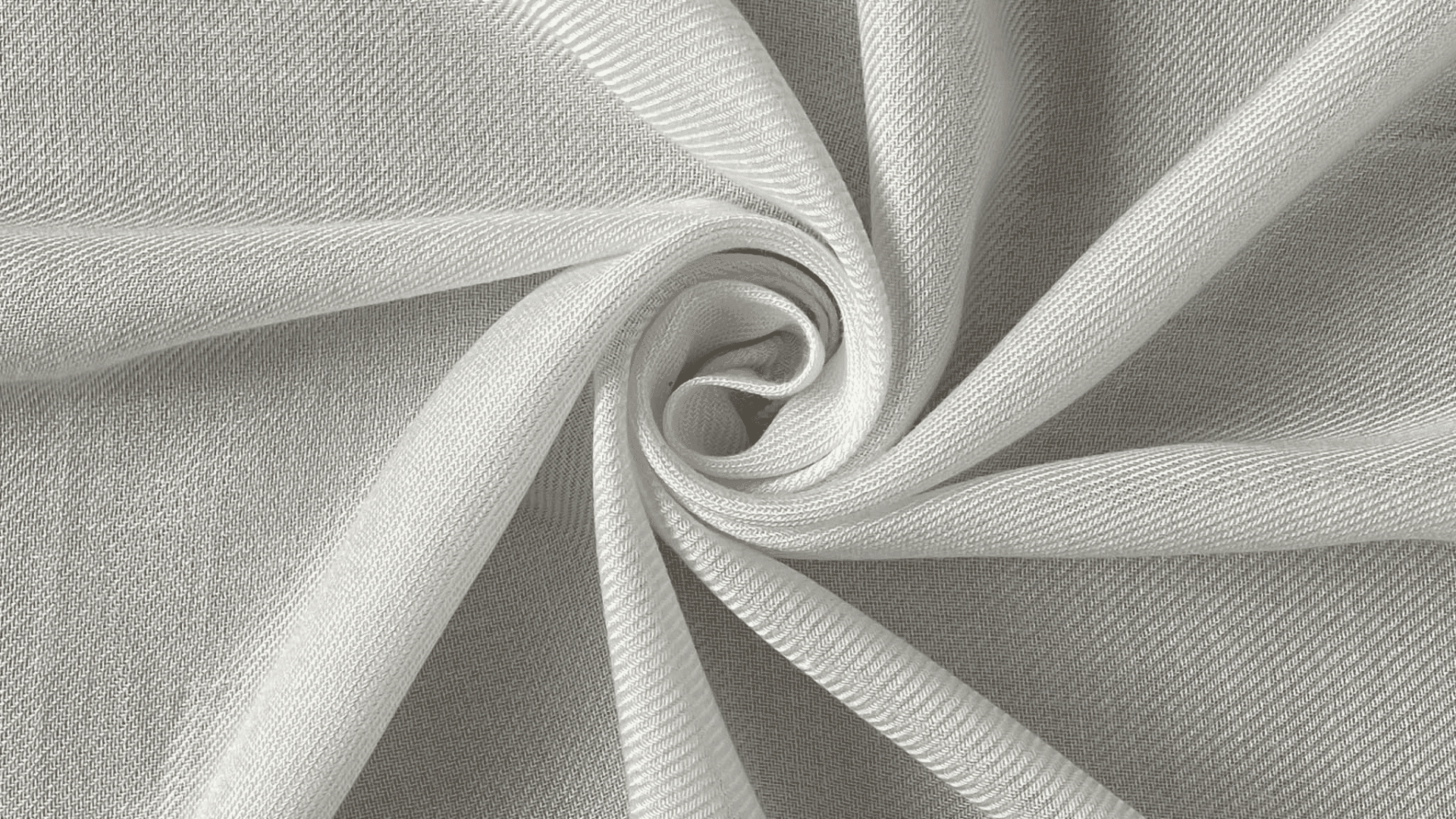
Rayon production uses carbon disulfide, a toxic chemical that harms workers’ nervous systems. The manufacturing process pollutes rivers and destroys forests.
Cheaper rayon often contains high levels of chemical residue. The fabric production wastes water and releases dangerous emissions.
Material Source: Regenerated cellulose from wood pulp treated with sodium hydroxide and carbon disulfide.
5. Treated Cotton (Conventional)
Conventional cotton farming uses more pesticides than any other crop worldwide. These chemicals poison soil, water, and farmworkers.
Fabric finishing adds formaldehyde and other toxins for wrinkle resistance. Bleaching and dyeing processes leave harmful residues in the final fabric.
Material Source: Natural cotton cellulose fibers treated with synthetic pesticides and chemical finishes.
Modal Fabric vs Other Fabrics: Quick Comparison
The table below shows how modal stacks up against other common fabrics in terms of safety, toxicity, and environmental impact.
| Fabric Type | Source | Toxicity Level | Eco-Friendliness | Safety for Skin |
|---|---|---|---|---|
| Modal | Beech Tree Pulp | Low (especially Lenzing) | High | Very Safe |
| Cotton (Conventional) | Cotton Plant | Medium (pesticides, dyes) | Medium | Safe if untreated |
| Polyester | Petroleum-based | High (microplastics, chemical dyes) | Low | May cause irritation |
| Acrylic | Petroleum-based | Very High (acrylonitrile, carcinogens) | Very Low | May cause irritation |
| Rayon/Viscose | Wood Pulp | Moderate to High | Medium | Safe with proper washing |
| Organic Cotton/Hemp | Natural Plant Fibers | Very Low | Very High | Safest |
Modal ranks better than synthetic fabrics like polyester and acrylic in toxicity and environmental impact. Certified modal produces less pollution than conventional rayon or viscose.
Organic natural fibers remain the safest option overall, but modal offers a good balance between softness, safety, and sustainability.
Best Non-Toxic Alternatives to Modal
Several natural fabrics offer safe, breathable, and sustainable options beyond modal. These alternatives provide comfort while minimizing chemical exposure and environmental harm.
1. Organic Cotton
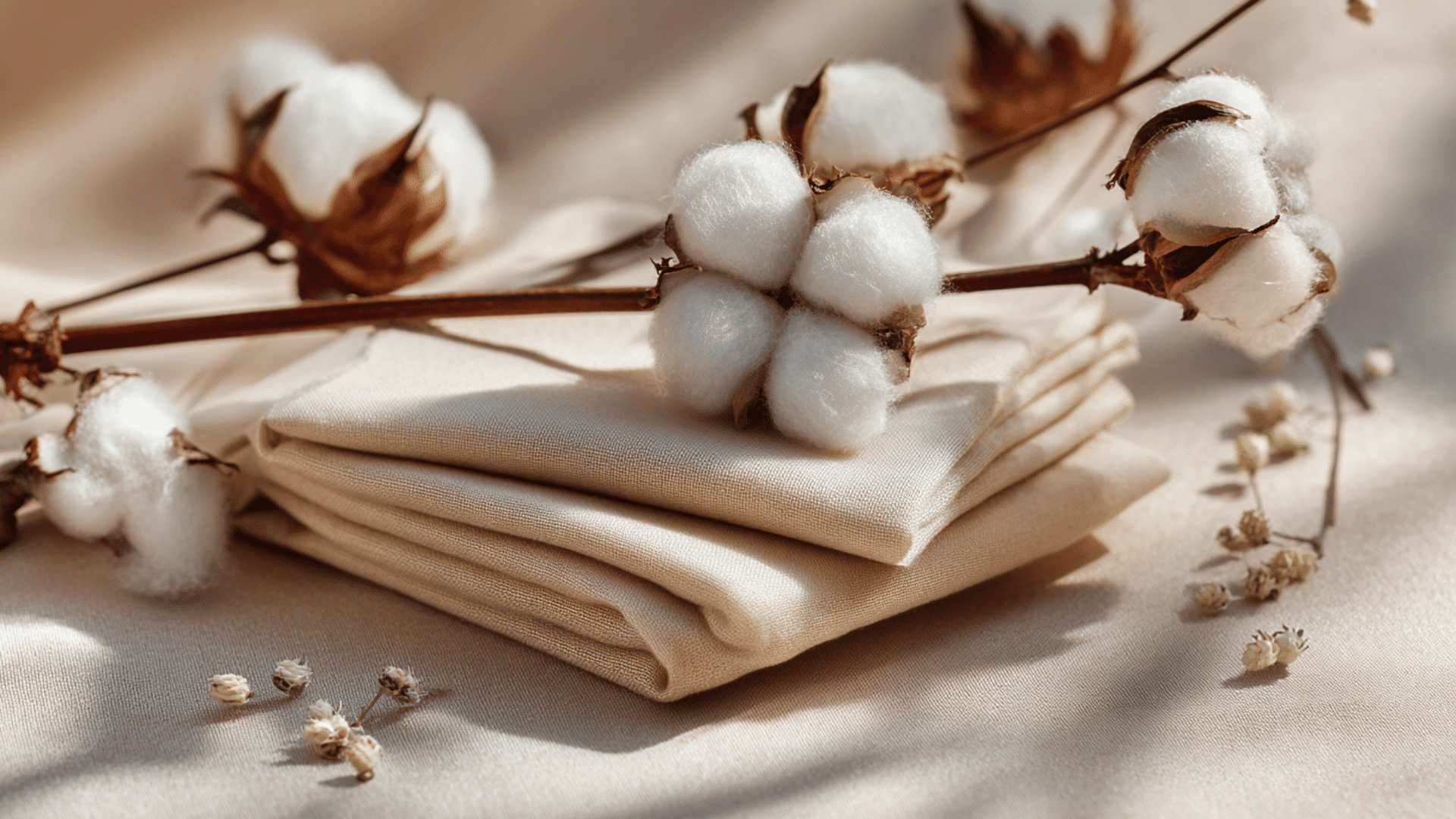
Organic cotton grows without synthetic pesticides or chemical fertilizers. Farmers use natural methods to keep soil healthy and protect workers from harmful sprays.
The fabric breathes well and feels soft against the skin. Organic cotton breaks down naturally and causes fewer allergies than conventional cotton.
Safety and Care Tip: Wash in cold water to prevent shrinking. GOTS-certified organic cotton ensures no toxic chemicals were used during production.
2. Bamboo Lyocell (TENCEL™)
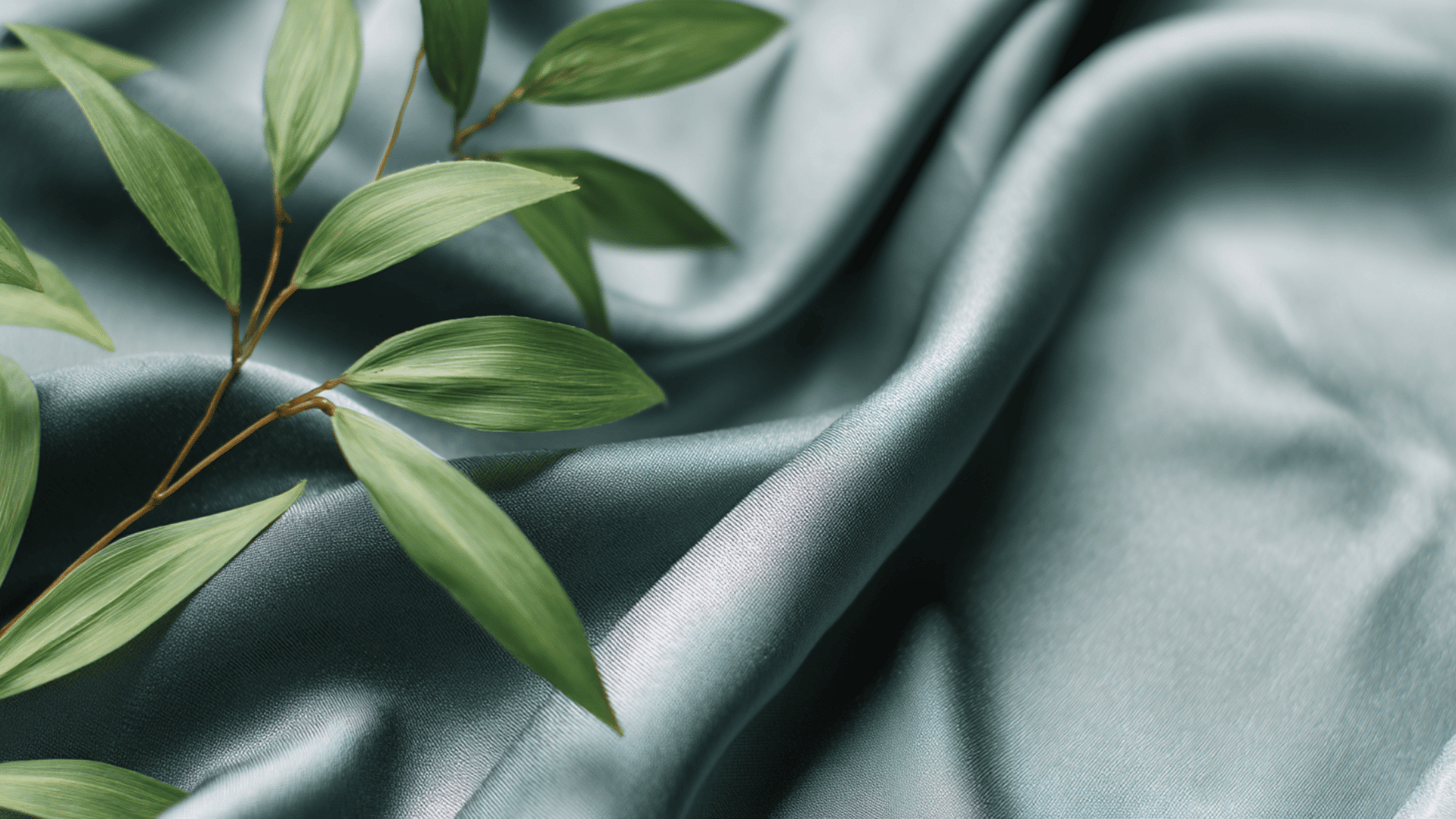
Bamboo lyocell is derived from bamboo plants processed in a closed-loop system. The manufacturing recycles water and chemicals, creating minimal waste.
The fabric wicks moisture away from the skin and naturally resists bacteria. Bamboo lyocell feels silky smooth and drapes beautifully like modal.
Safety and Care Tip: TENCEL™ branded bamboo lyocell guarantees safe production. Wash in cold water on gentle cycle and hang dry.
3. Hemp
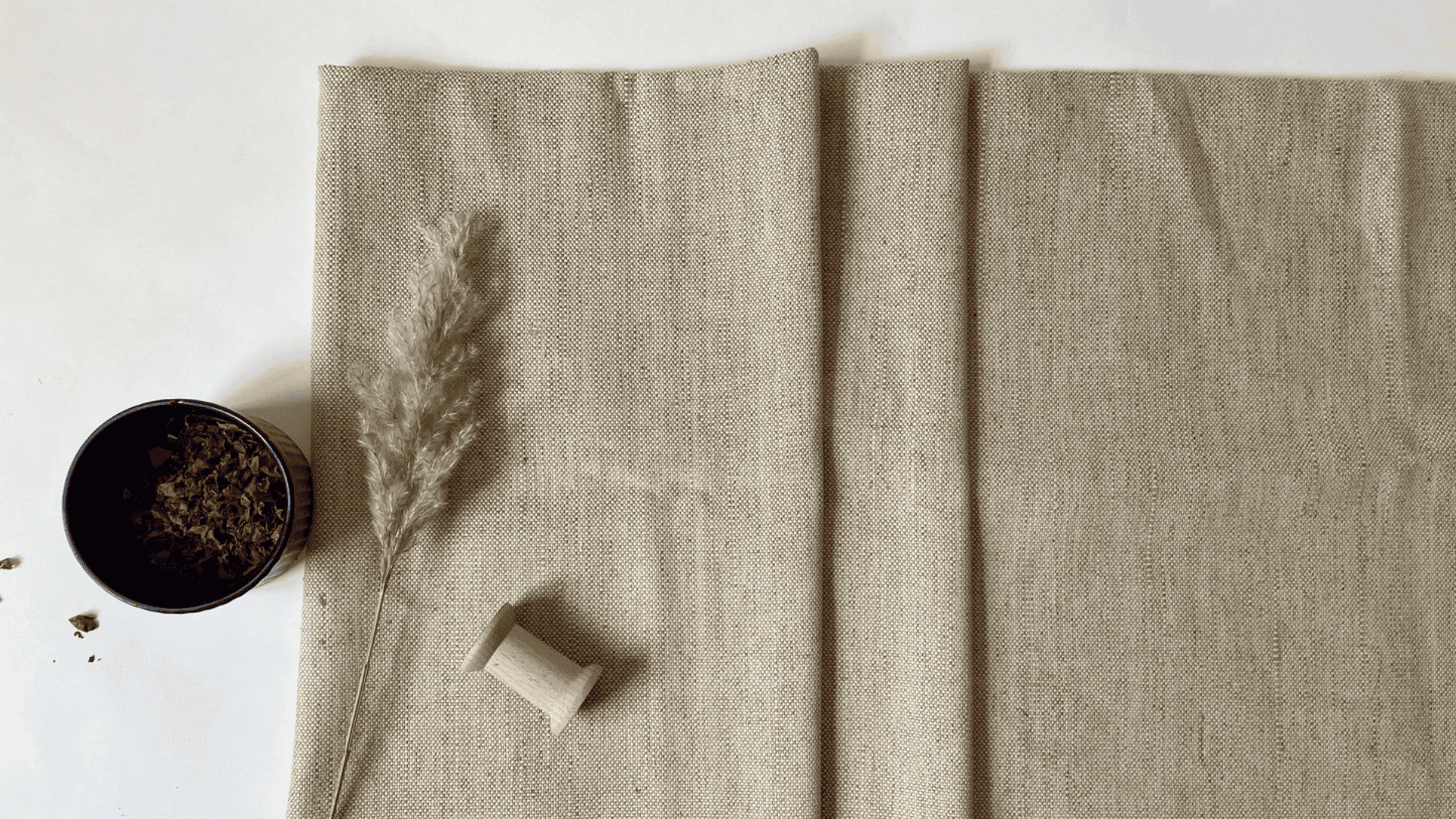
Hemp plants grow quickly without needing pesticides or much water. The strong fibers naturally resist mold and block UV rays from the sun.
Hemp fabric softens with each wash and lasts longer than most materials. Growing hemp actually improves soil quality for future crops.
Safety and Care Tip: Hemp gets softer over time with regular wear. Machine wash in warm water and tumble dry on low heat.
4. Linen
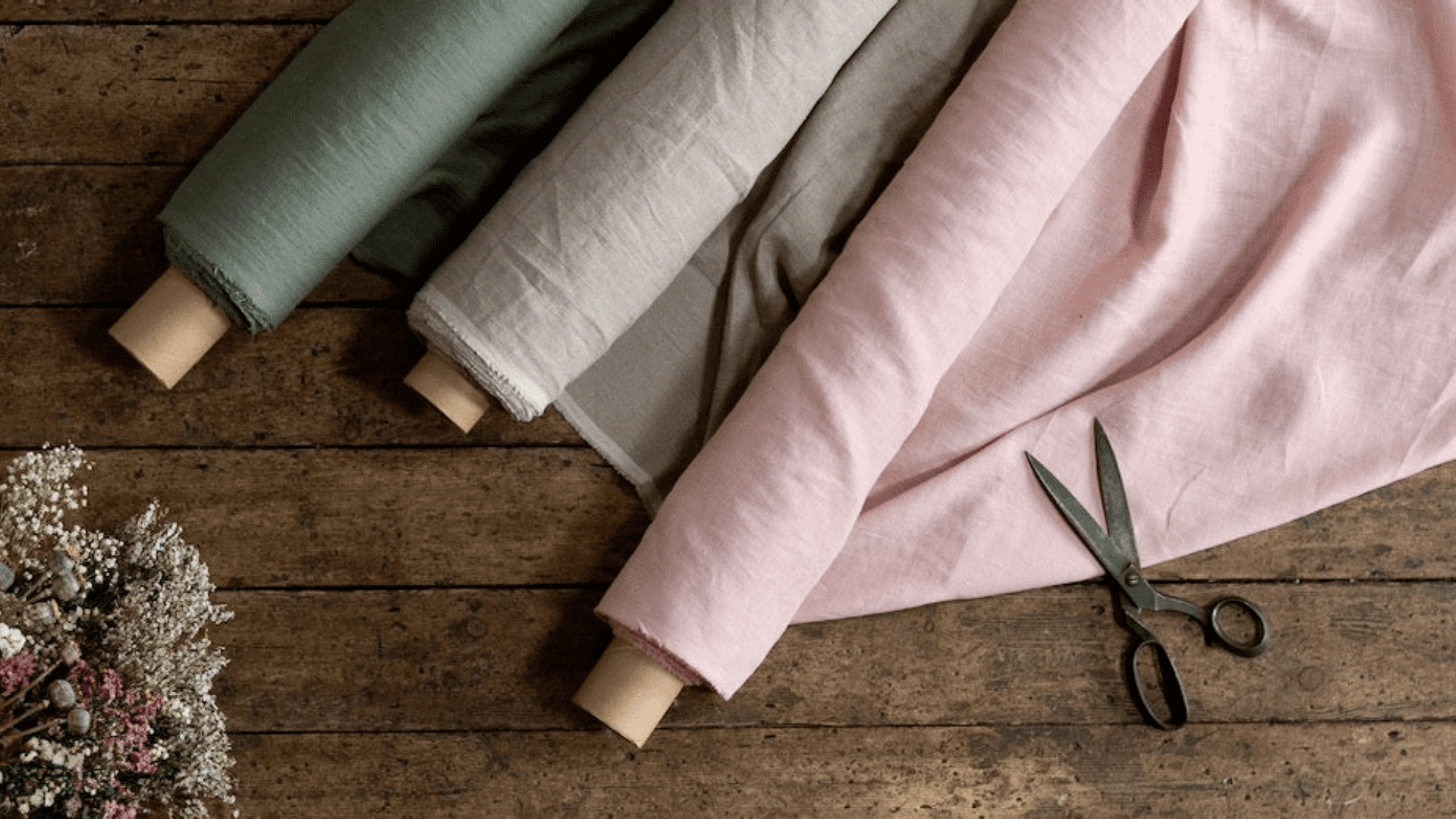
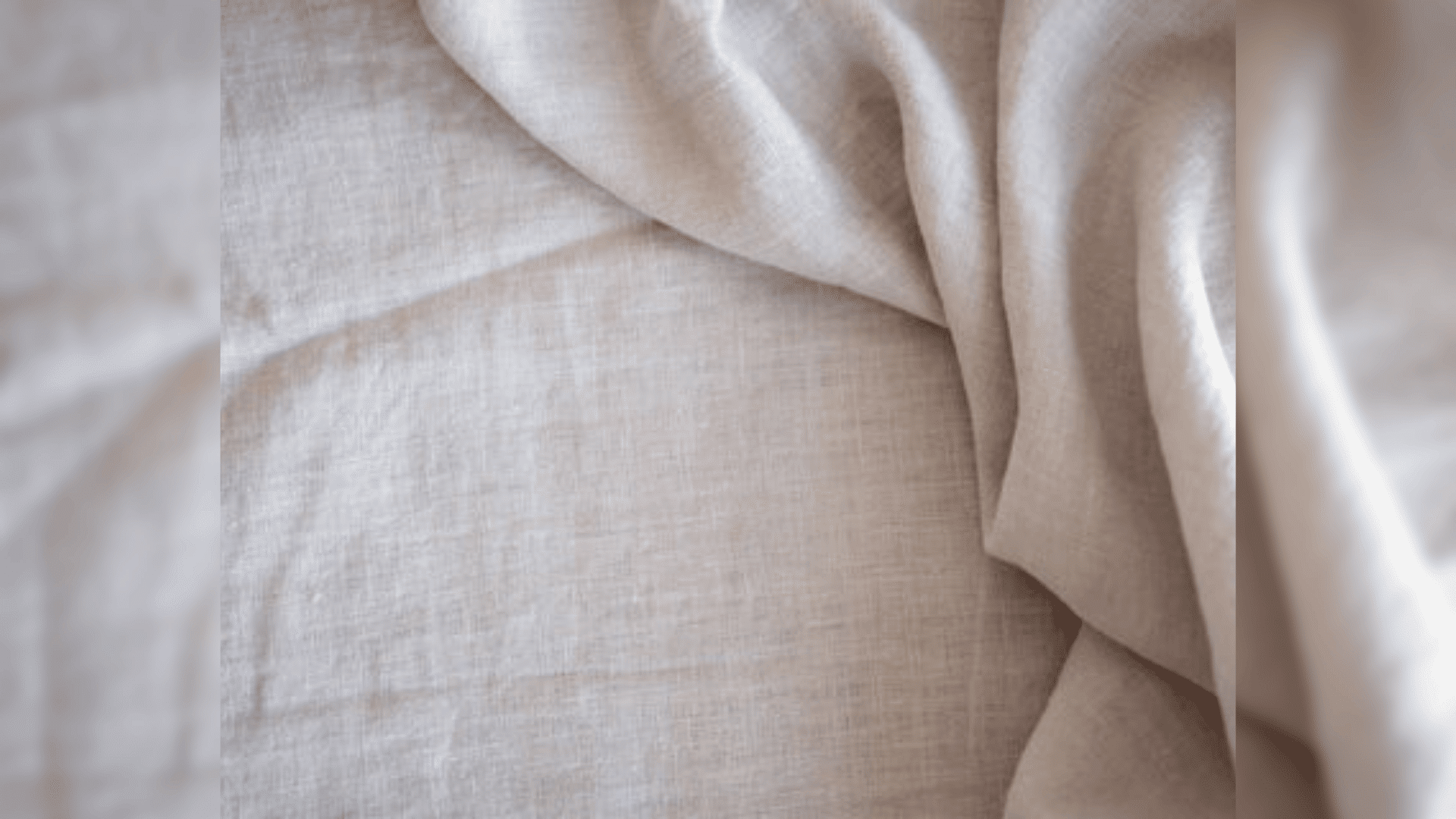
Linen comes from flax plants that need little water or chemicals to grow. The entire flax plant is used during production, creating zero waste.
Linen breathes better than almost any fabric, keeping bodies cool in hot weather. The strong fibers become softer and more comfortable with repeated washing.
Safety and Care Tip: Wash in lukewarm water and iron while damp for smooth results. Wrinkles add natural charm to linen clothing.
How to Identify Safe Modal and Other Fabrics
Choosing truly non-toxic clothing starts with knowing what to look for. These quick tips help you spot safer, eco-friendly modal and other fabrics before you buy.
- Check Certifications: Look for OEKO-TEX®, GOTS, FSC, or Bluesign® tags to ensure fabrics are free of harmful chemicals.
- Choose Trusted Brands: Opt for Lenzing™ Modal, TENCEL™, or ECOVERO™ from reputable producers like Lenzing or Birla Cellulose.
- Read Labels Carefully: Check tags for fabric source, content, and care details to confirm eco-safe production.
- Wash Before Wearing: Always wash new clothes in cold water to remove residual chemicals.
- Use Laundry Filters: Install lint filters or washing bags to trap microfibers and reduce water pollution.
- Avoid Chemical Finishes: Skip garments labeled “stain-resistant” or “flame-retardant,” as they may contain toxins like formaldehyde or PFAS.
Conclusion
Modal fabric toxicity varies based on production methods and certifications. Conventional modal may contain harmful chemical residues.
Certified versions like Lenzing Modal and TENCEL™ use safer, eco-friendly processes.
Modal ranks better than polyester but not as safe as organic cotton or hemp. Reading labels for OEKO-TEX® and GOTS certifications helps identify safer options.
Washing new modal clothes before wearing removes leftover chemicals. For the least toxic choice, organic cotton, hemp, and linen remain top picks.
Understanding fabric production empowers smarter shopping decisions.
Safe, sustainable clothing protects both personal health and the planet for future generations.
Frequently Asked Questions
Is Modal Fabric Safe for Babies?
Yes, certified modal fabric like TENCEL™ is safe for babies after washing to remove any processing residue.
Can Modal Fabric Cause Allergies?
No, modal causes fewer allergic reactions than synthetic fabrics and is well tolerated by sensitive skin.
Is Modal Fabric Better than Polyester?
Yes, modal is less toxic than polyester because it contains fewer chemicals and no microplastics.