


Walk into any clothing store or scroll through a home décor site, and you will spot both patterns almost instantly. But most people cannot explain what actually separates them.
Plaid and gingham look like they belong to the same family, yet they follow completely different rules when it comes to color, structure, and where they work best.
Let’s understand everything from their origins to how they fit into modern style and home design.
| Feature | Plaid | Gingham |
|---|---|---|
| Pattern complexity | Multi-color, varied lines | Two-color, equal squares |
| Typical fabrics | Flannel, wool, cotton blends | Cotton, linen |
| Seasonal vibe | Fall / Winter | Spring / Summer |
| Color count | Three or more | Always two |
| Line thickness | Varies across the pattern | Uniform throughout |
| Common uses | Shirts, jackets, blankets | Dresses, tablecloths, summer tops |
The Real Differences Between Plaid and Gingham
When comparing plaid vs gingham, the differences go beyond just how they look. From color rules and pattern structure to fabric weight and seasonal use, these two patterns have distinct identities that make each suited to different styles and settings.
Pattern Structure and Color Rules
The biggest structural difference between plaid and gingham comes down to color and line work.
Plaid uses multiple colors and lines of varying thicknesses, creating a complex, layered grid.
Gingham keeps things strict with just two colors and perfectly equal squares across the whole fabric.
Plaid gives designers a lot of creative freedom, while gingham follows a fixed visual formula that never really changes.
Fabric Weight and Feel
Plaid and gingham also differ in how they feel and what fabrics they usually appear on.
Plaid is most often found on heavier materials like wool and flannel, which makes it a natural fit for fall and winter clothing.
Gingham tends to appear on lightweight cotton and linen, giving it a cool, breathable quality.
This is why gingham feels more at home in spring and summer wardrobes while plaid dominates the colder months.
How to Tell Them Apart Quickly
A few quick visual checks will help you separate the two patterns right away.
- Count the colors. If there are more than two, it is plaid
- Check the lines. Varying thickness points to plaid, uniform squares point to gingham
- Look at the symmetry. Gingham is perfectly even on all sides
- Check the fabric weight. Heavy and warm usually means plaid, light and breezy usually means gingham
What Is Plaid
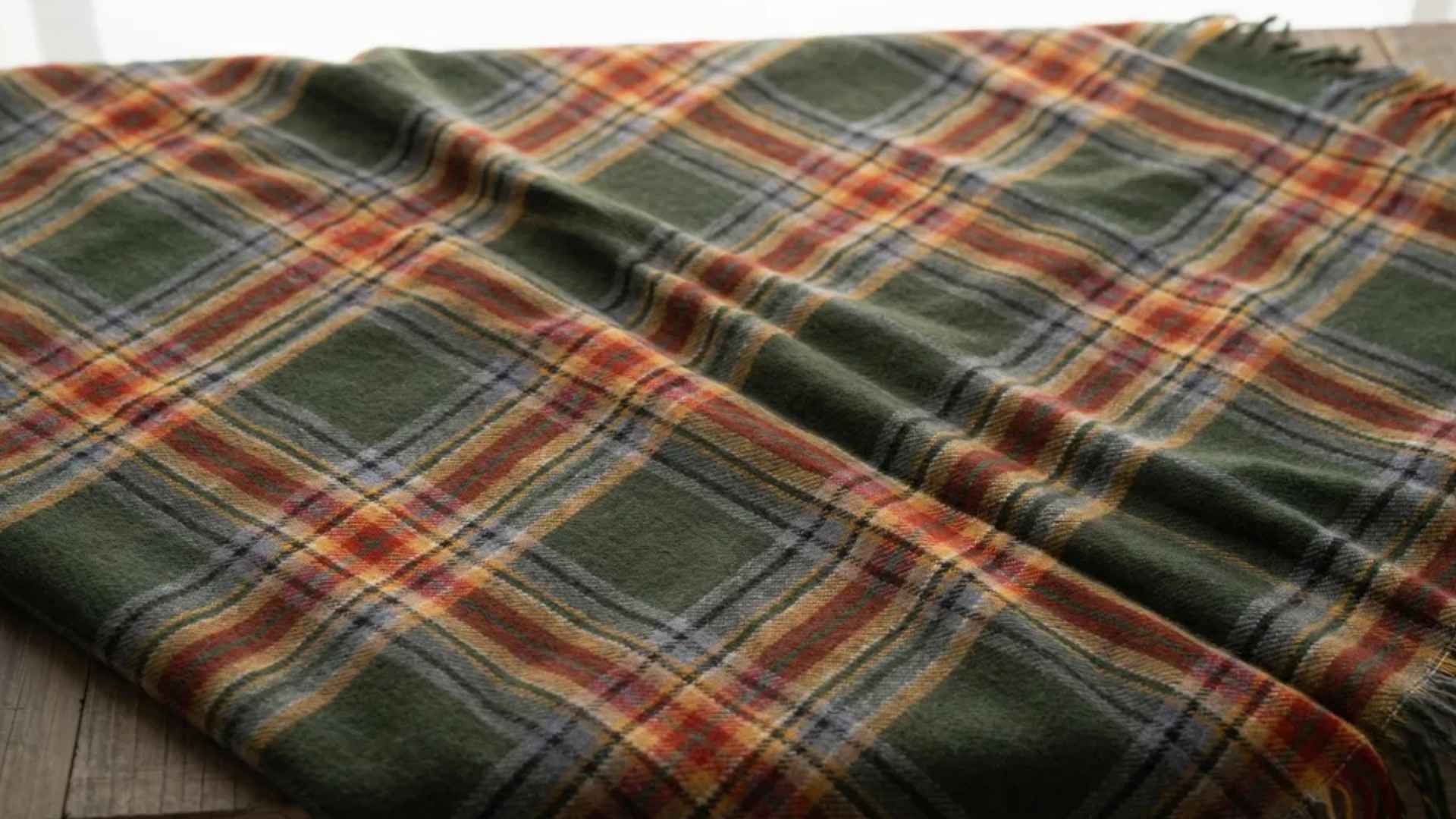
Plaid is a pattern made up of intersecting horizontal and vertical lines or bands that cross each other at right angles. These lines come in multiple colors and vary in width, creating a layered, grid-like look.
It is actually a broad category of patterns, meaning many different styles fall under the plaid umbrella rather than it being just one single design.
Key Features
- Multiple colors are used across the pattern
- Lines and bands vary in thickness and width
- Creates a layered, cross-hatched visual effect
- Comes in countless color combinations
- Falls under a broad pattern category with many subtypes
Visual Characteristics of Plaid
Plaid patterns are easy to recognize because of their bold, multi-colored appearance. The lines run both horizontally and vertically, and since they differ in thickness, the overall look feels layered rather than flat.
This makes each plaid design look unique even when the basic structure is the same. Plaid is most commonly seen in casual wear and is especially popular in the fall and winter.
Common Types of Plaid Patterns
Plaid is not a single pattern but a whole family of designs. Some of the most recognized types include:
- Tartan: the traditional Scottish style tied to clan identity
- Buffalo plaid: bold two-color blocks, usually red and black
- Windowpane plaid: thin lines forming large, open squares
- Glen plaid: a refined, small-scale pattern often used in suiting
What Is Gingham
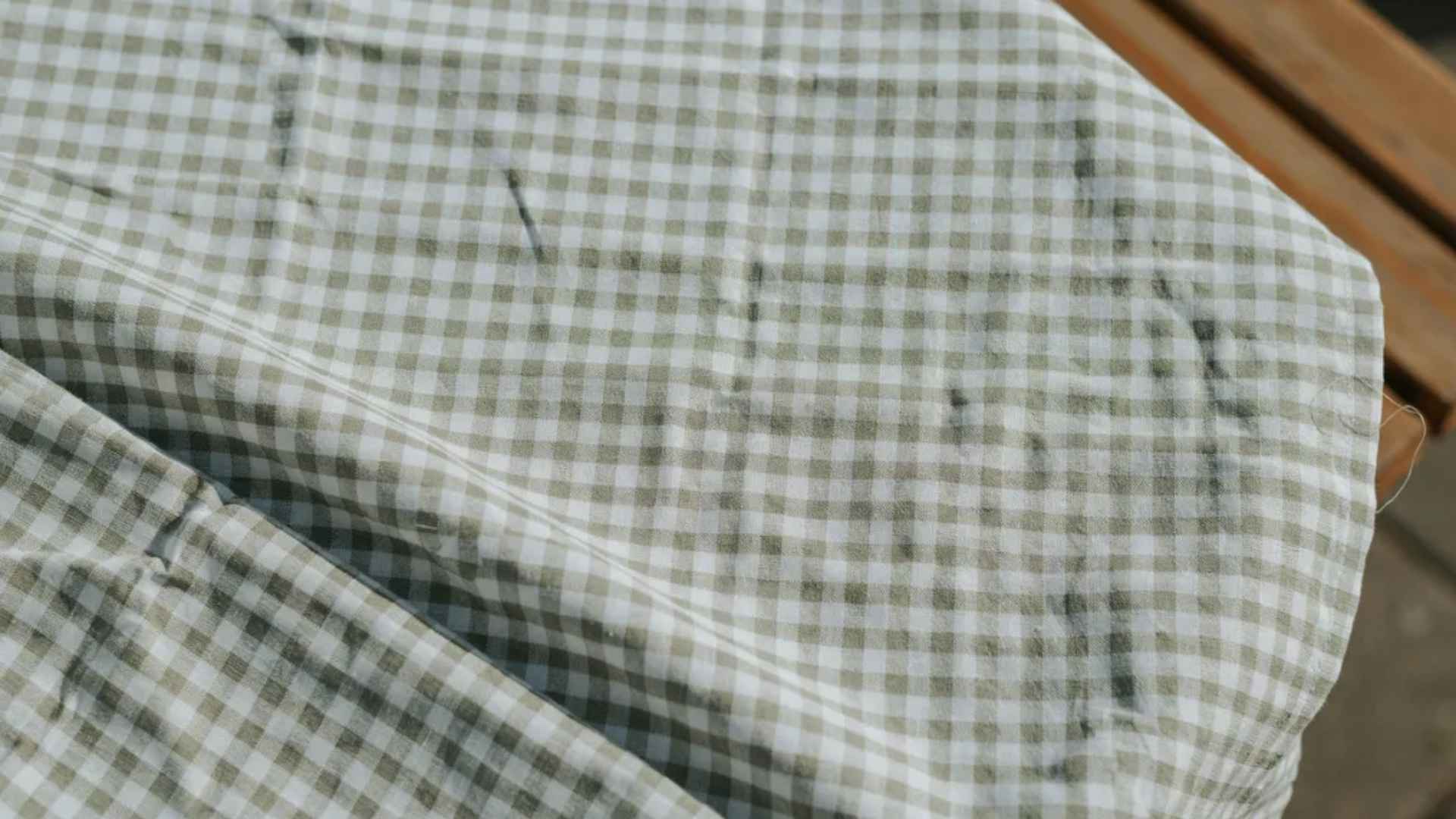
Gingham is a classic check pattern built on a simple two-color system, almost always pairing white with one other color. Unlike plaid, gingham follows a very strict, symmetrical pattern in which the checks are all equal in size.
It is one of the most recognizable fabric patterns in the world and has been used in everything from kitchen curtains to summer dresses for centuries.
Key Features
- Always uses exactly two colors, typically white plus one other
- Checks are perfectly even and symmetrical across the fabric
- The pattern is created through a plain weave structure
- Clean, simple, and highly uniform in appearance
- No variation in line thickness, unlike plaid
Visual Characteristics of Gingham
Gingham stands out because of how neat and balanced it looks. Every square in the pattern is the same size, and the two-color setup keeps things simple and fresh.
The fabric used for gingham is usually a lightweight cotton or linen, which adds to its breezy, casual feel. This combination of simple pattern and light material makes it a popular choice for warm-weather clothing and home décor.
Variations of Gingham
Gingham comes in different check sizes, and the scale of the check changes how the pattern feels and where it works best. The main variations include:
- Micro gingham: very tiny checks that can almost look like a solid color from a distance
- Classic small gingham: the most familiar size, widely used in shirts and dresses
- Large gingham checks: bigger squares that create a bolder, more statement-making look
Historical Background of Both Patterns
Both plaid and gingham have long histories that go far beyond modern fashion trends. These patterns started as practical, everyday fabrics tied to specific cultures and regions.
Over time, they crossed borders, evolved in style, and became two of the most recognized and widely used patterns in clothing and home textiles around the world.
Origins of Plaid and Tartan
Plaid has its deepest roots in Scotland, where tartan patterns were used to represent different clans and family groups. Each tartan design carried a specific color combination tied to a particular clan’s identity.
As Scottish culture spread globally, so did the love for these bold crossing-line patterns. By the 20th century, plaid had moved well beyond its Scottish origins and become a staple in mainstream fashion across Europe, North America, and beyond.
Origins of Gingham
Gingham has a surprisingly different origin story compared to what most people expect.
Early gingham fabric was actually striped, not checkered, and is believed to have come from Southeast Asia before being traded through European markets.
The word itself is thought to derive from the Malay word “genggang,” though its exact meaning is debated across sources, with some suggesting it means “striped” and others translating it as “separate” or “ajar.”
As the fabric traveled to Europe and eventually the United States, the pattern shifted from stripes to the even two-color checks we recognize today, becoming especially popular in American home and fashion culture by the 19th century.
How Both Patterns Evolved Over Time
Plaid and gingham both started as practical, working-class fabrics before finding their way into mainstream style. Plaid moved from Scottish highland wear to everyday shirts, jackets, and blankets used across all walks of life.
Gingham shifted from trade cloth to a symbol of simple, wholesome American style. Today, both patterns are firmly established as timeless design staples that appear season after season in fashion collections and home décor lines worldwide.
Plaid, Gingham, Tartan, and Other Fabric Patterns Worth Knowing
The world of check and grid-based fabric patterns goes well beyond just plaid vs gingham. Several other patterns share similar visual traits but carry their own distinct rules, histories, and style purposes.
Knowing the differences helps you build a stronger overall wardrobe aesthetic,whether you are shopping, styling, or decorating.
Tartan Explained
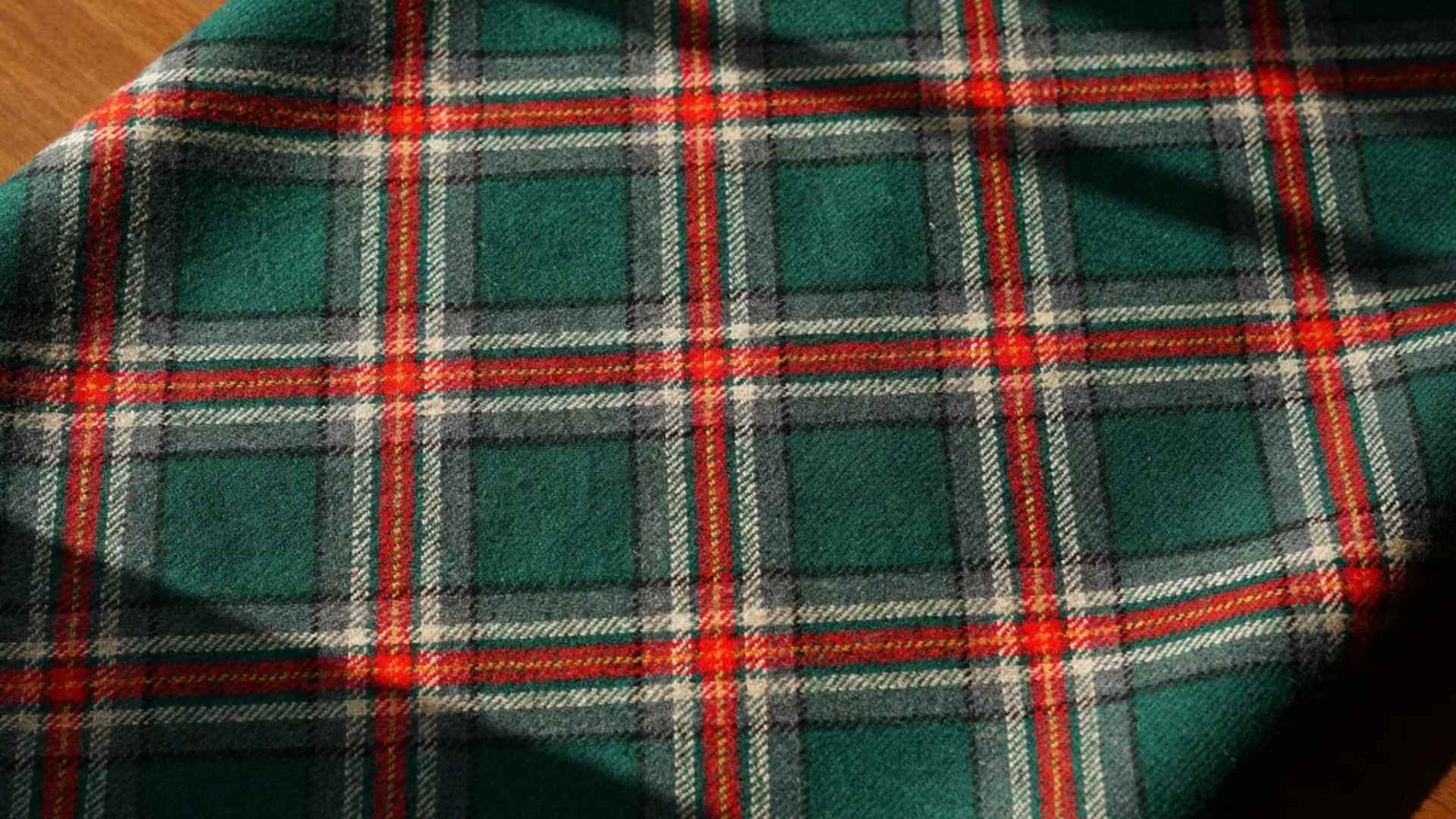
Tartan is a specific type of plaid with deep Scottish roots, where each pattern belongs to a particular clan or family. While all tartan is plaid, not all plaid is tartan.
The key difference is that tartan follows a registered, repeating color sequence called a sett that holds cultural and historical significance.
Other Related Patterns to Know
Beyond plaid and gingham, several other check-based patterns are worth recognizing.
Checkered: A broad two-color pattern of equal squares, similar to gingham but often bolder and used across a wider range of materials and applications.
Windowpane: Thin, widely spaced lines forming large open squares on a solid background, giving a clean and minimal look, most common in suiting fabrics.
Prince of Wales: Also known as Glen plaid, this refined pattern combines small checks with a subtle overcheck and is closely associated with tailored menswear and formal styling.
Houndstooth: A classic broken-check pattern with pointed, irregular shapes that give it a distinctive textured appearance, popular in coats and accessories.
Madras: A lightweight plaid originating from India, typically featuring bright, irregular checks woven in cotton and strongly associated with summer and preppy style.
When to Choose Each Pattern
Each pattern has its own strength depending on where and how you use it. Here is a quick guide to help you pick the right one.
| Pattern | Best For |
|---|---|
| Plaid | Casual shirts, jackets, scarves, and winter blankets |
| Gingham | Summer dresses, picnic tablecloths, light shirts, and kitchen textiles |
| Tartan | Formal occasion wear, kilts, heritage-inspired fashion, and accessories |
| Windowpane | Blazers, trousers, and tailored suiting for a clean, minimal look |
| Prince of Wales | Business formal wear, sport coats, and classic menswear styling |
| Checkered | Streetwear, racing-inspired fashion, and bold home décor accents |
| Houndstooth | Coats, handbags, and statement accessories with a retro edge |
| Madras | Summer shirts, shorts, and casual warm-weather outfits |
Style and Use in Everyday Life
Knowing how to use plaid and gingham in real life makes it easier to get the most out of both patterns. Whether you are putting together an outfit or refreshing a room, each pattern has a natural place where it works best.
Fashion and Apparel Tips
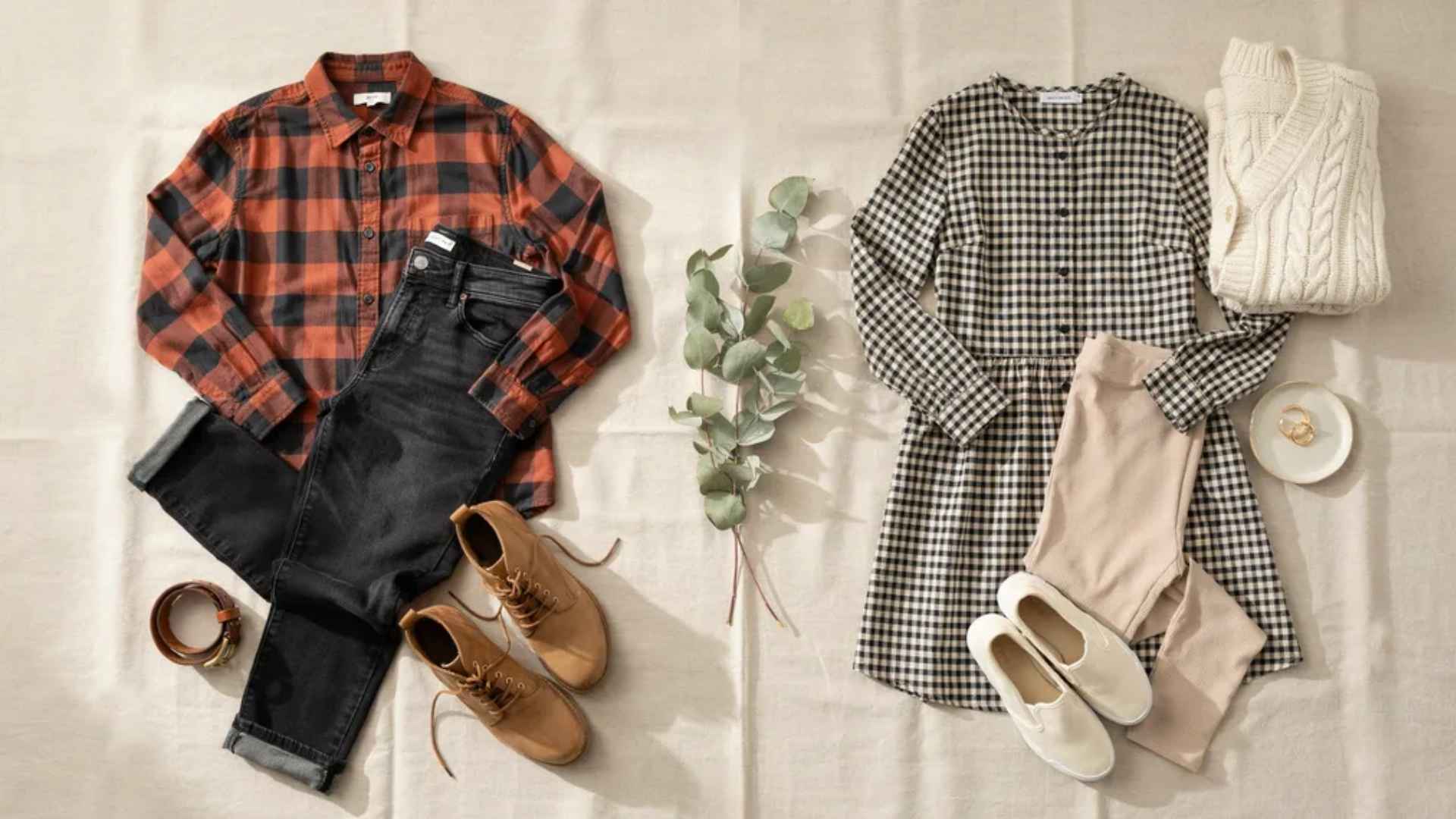
- When exploring casual and dress shirt options, a plaid flannel shirt paired with dark jeans and boots makes for an easy, put-together casual fall look
- Layer a plaid blazer over a plain shirt for a semi-formal outfit that still feels relaxed and approachable
- Gingham shirts and dresses are ideal for spring and summer. Keep it simple with neutral bottoms to let the pattern stand out
Home and Decor Ideas
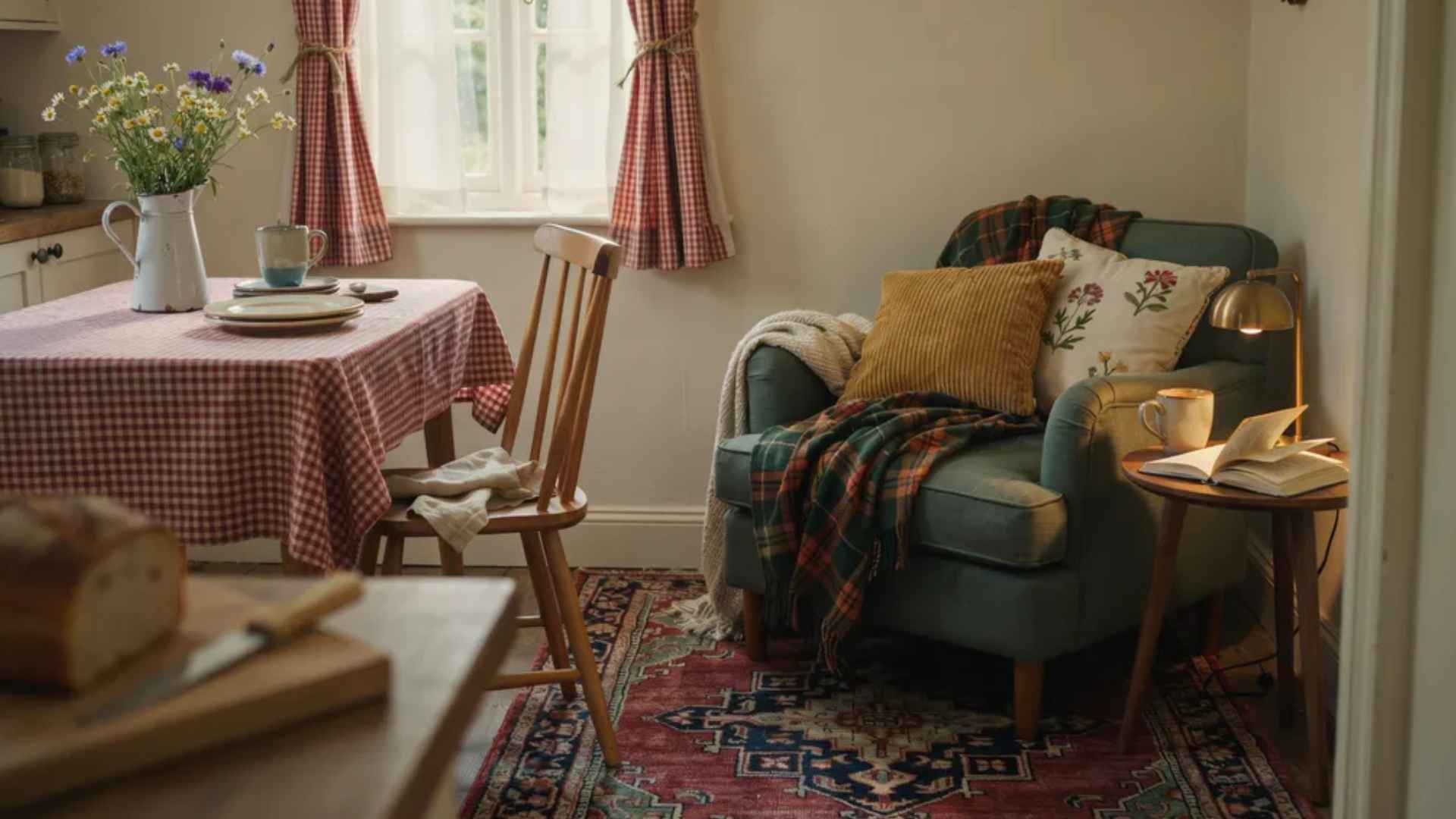
- Gingham tablecloths and café curtains bring a clean, cheerful feel to kitchens and dining spaces year-round
- Plaid throw blankets and upholstered cushions add warmth and texture to living rooms and bedrooms in fall and winter
- Mix large plaid bedding with solid-color pillows to keep the look balanced without making the room feel too busy
Conclusion
Plaid and gingham have both stood the test of time for good reason. Each pattern brings something different to the table, whether it is the bold, layered complexity of plaid or the clean simplicity of gingham.
Once you know what sets them apart, choosing between them becomes much easier. The same goes for related patterns like tartan, madras, and houndstooth.
Understanding the full picture gives you more confidence when shopping, styling outfits, or picking fabrics for your home.
Frequently Asked Questions
Is Plaid and Gingham the Same Thing?
No. Plaid uses multiple colors and varied line widths, while gingham uses only two colors in equal squares.
What Makes Gingham Different from a Regular Check Pattern?
Gingham is always two colors with perfectly even squares, while general check patterns can vary in size and color.
Can You Wear Plaid and Gingham Together?
It is tricky but possible. Keep one pattern small-scale and pair it with a simpler version of the other to avoid clashing.
What fabric is Gingham usually made from?
Gingham is most commonly made from lightweight cotton or linen, making it a popular choice for warm-weather clothing.
Is Tartan the same as Plaid?
Not exactly. All tartan is plaid, but not all plaid is tartan. Tartan follows a registered color sequence tied to Scottish clan history.