Fashion and beauty have always evolved together. As trends shift from season to season, consumers continuously redefine what beauty means to them. In recent years, one of the most significant changes has been the movement away from heavy, transformative makeup toward products that enhance natural features while supporting skin health.
This shift reflects broader changes in consumer behavior. People are becoming increasingly interested in wellness, transparency, and products that fit seamlessly into their lifestyles. Rather than covering imperfections with thick layers of makeup, today’s beauty enthusiasts are investing in products that help their skin look naturally healthy and radiant.
As a result, the global beauty industry is entering a new era – one where skincare and makeup work hand in hand.
The Rise of the “Skin First” Philosophy
For decades, makeup trends focused on creating dramatic transformations. Full-coverage foundations, sharp contouring, and highly structured looks dominated beauty campaigns and social media platforms.
Today, consumers are moving in a different direction.
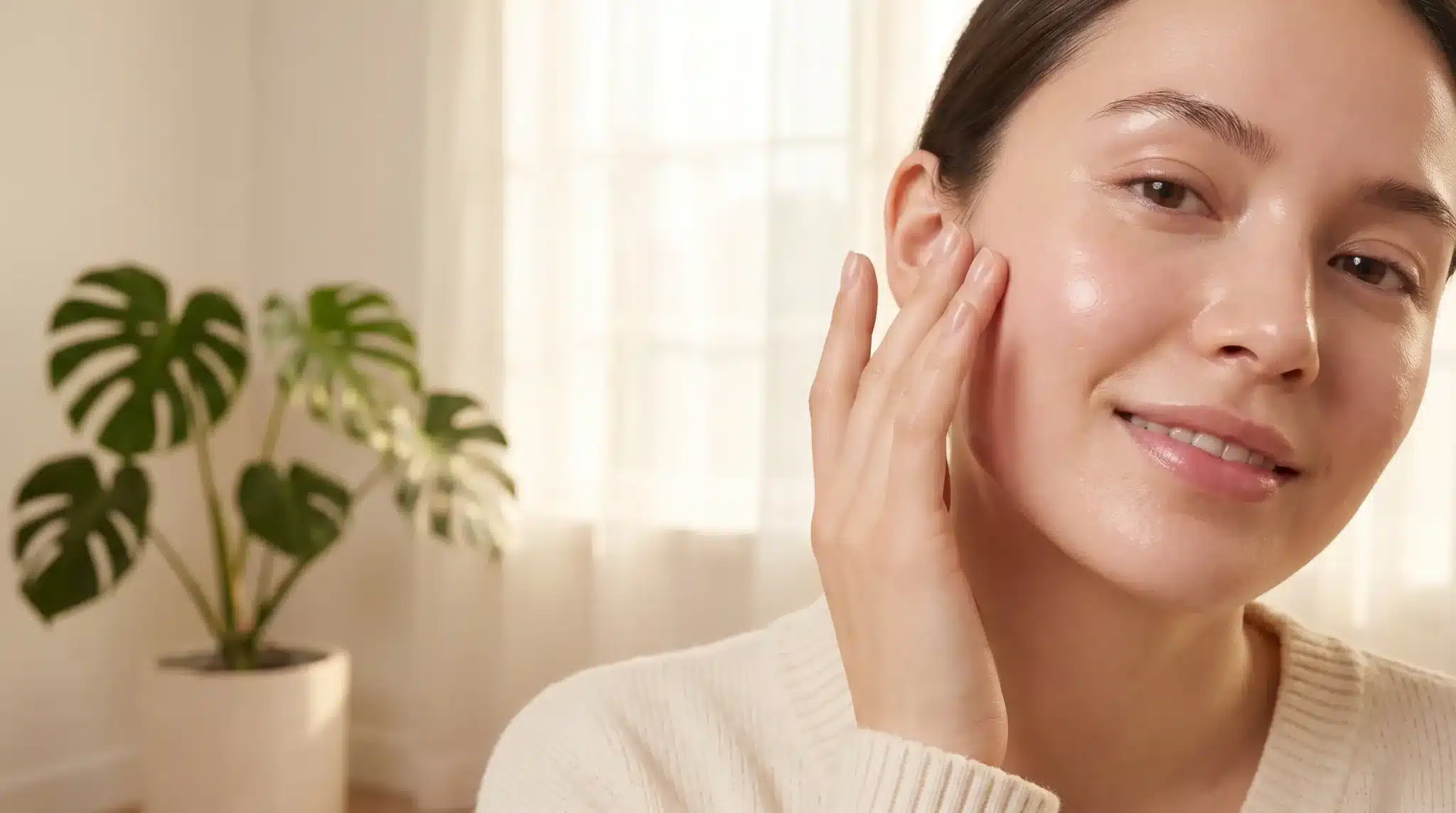
The growing popularity of the “skin first” philosophy emphasizes healthy, well-cared-for skin as the foundation of beauty. Instead of hiding natural texture, freckles, or minor imperfections, many consumers now embrace a more authentic appearance.
This change has been driven by several factors:
- Greater awareness of skincare ingredients
- Increased interest in wellness and self-care
- The influence of skincare-focused social media content
- A desire for products that feel comfortable throughout the day
- Growing demand for natural-looking results
Consumers are increasingly evaluating beauty products not only by how they look on the skin but also by how they support long-term skin health.
The Influence of Korean Beauty
Few regions have influenced modern beauty trends as profoundly as South Korea.
Korean beauty brands introduced many concepts that have since become global standards, including cushion foundations, glass skin, lightweight textures, and hydration-focused formulations.
Unlike traditional makeup products designed primarily for coverage, many Korean beauty products aim to create a healthy, luminous complexion. The emphasis is often placed on skin preparation, hydration, and enhancing natural beauty rather than masking it.
This philosophy has resonated strongly with consumers around the world.
Many beauty enthusiasts who explore Korean cosmetics discover brands such as TirTir, which has attracted attention for its innovative complexion products and modern approach to beauty.
The success of Korean beauty demonstrates that consumers increasingly value products that combine performance, comfort, and skincare benefits.
Why Lightweight Coverage Is Winning
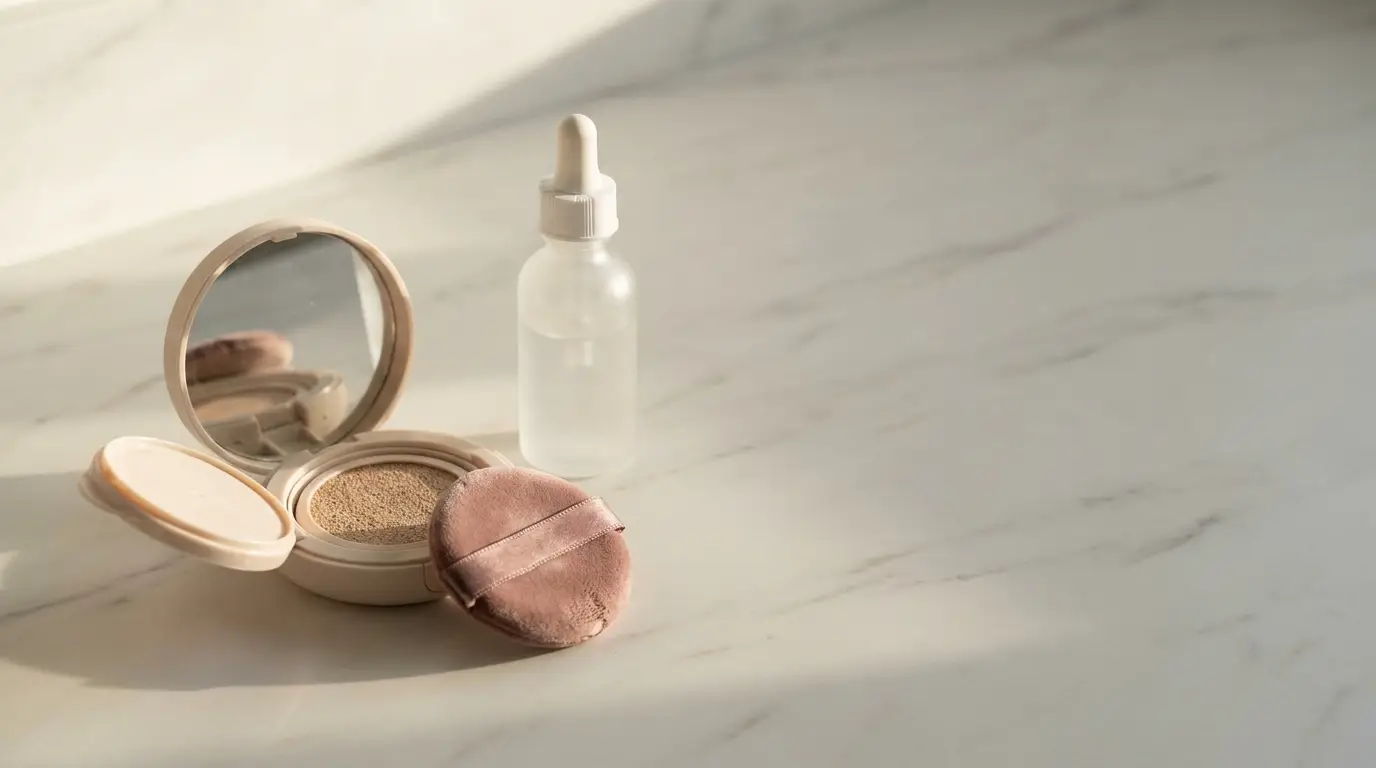
One of the clearest signs of changing beauty preferences is the growing demand for lightweight complexion products.
Traditional full-coverage foundations often provide excellent coverage but can sometimes feel heavy or restrictive. Today’s consumers frequently prefer products that allow their natural skin to remain visible while still offering a polished appearance.
Lightweight formulas provide several advantages:
- Improved comfort during extended wear
- A more natural finish
- Better compatibility with skincare routines
- Easier application and touch-ups
- Greater versatility across different settings
Whether attending a business meeting, working remotely, or enjoying a social event, consumers increasingly seek products that adapt to their lifestyles.
The popularity of skin tints, serum foundations, and cushion compacts illustrates how beauty standards continue to evolve toward effortless enhancement rather than dramatic transformation.
Skincare and Makeup Are No Longer Separate Categories
Perhaps the most important development in modern beauty is the merging of skincare and makeup.
Consumers no longer view these categories as completely separate. Instead, they expect makeup products to offer additional benefits beyond color and coverage.
As a result, many modern formulas now include ingredients traditionally associated with skincare, such as:
- Hyaluronic acid
- Niacinamide
- Peptides
- Ceramides
- Botanical extracts
These ingredients help support hydration, comfort, and skin appearance throughout the day.
This hybrid approach allows consumers to streamline their routines while still addressing multiple beauty goals. Products that perform double duty are particularly appealing to individuals seeking simplicity and efficiency.
The trend also reflects a broader movement toward intentional consumption. Rather than purchasing numerous products with overlapping functions, consumers increasingly prefer multifunctional solutions.
The Growing Demand for Authentic Beauty
Beauty standards are becoming more inclusive and realistic.
Consumers are increasingly drawn to brands that celebrate individuality rather than promoting unattainable ideals. Social media has contributed to this shift by encouraging conversations about authenticity, self-expression, and confidence.
As a result, heavily edited imagery and unrealistic perfection are gradually losing influence.
Modern beauty campaigns often feature diverse skin tones, natural textures, and individuals with unique features. This representation resonates with consumers who want products that complement who they are rather than fundamentally change their appearance.
The skin-first movement aligns perfectly with this cultural shift. Healthy, glowing skin is achievable for many people, making it a more relatable and sustainable beauty goal than perfection.
Sustainability and Conscious Consumption
Another reason behind the rise of skin-focused beauty is the growing importance of sustainability.
Consumers are paying closer attention to ingredient sourcing, packaging choices, and product longevity. Many prefer investing in high-quality products that serve multiple purposes instead of accumulating large collections of rarely used items.
Brands that emphasize thoughtful formulation and responsible production often earn greater consumer trust.
This trend is particularly relevant among younger generations, who increasingly evaluate purchases based on both performance and values.
Beauty products that support skin health while minimizing waste fit naturally into this evolving consumer mindset.
Looking Ahead
The beauty industry is entering a period defined by wellness, authenticity, and innovation.
Consumers are becoming more informed about ingredients, more selective about purchases, and more interested in products that contribute to long-term skin health. The distinction between skincare and makeup continues to blur as brands develop formulas that deliver both cosmetic and skin-supporting benefits.
Korean beauty innovations have played a major role in shaping these trends, but the movement extends far beyond any single region. Around the world, consumers are embracing products that enhance natural beauty rather than conceal it.
The popularity of lightweight textures, skincare-infused cosmetics, and radiant finishes suggests that the skin-first philosophy is not simply a passing trend. Instead, it represents a fundamental shift in how people approach beauty.
As the industry continues to evolve, brands that successfully combine performance, comfort, and skin health will likely remain at the forefront of global beauty innovation.