

The Flex Is No Longer the Logo on the Bag. It Is How Comfortable You Look Wearing It.
For most of the last two decades, fashion status was external and obvious. The right monogram. The waitlist handbag. The sneaker that sold out in ninety seconds. Status was a thing you could photograph, price-check, and verify. It hung in your closet and announced itself before you said a word.
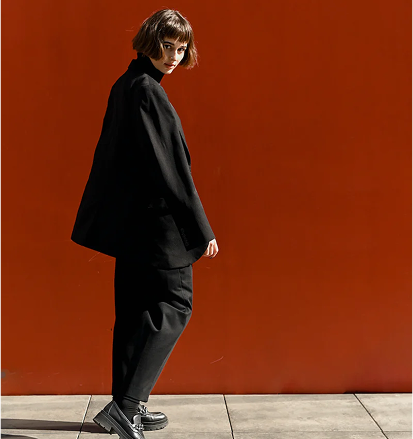
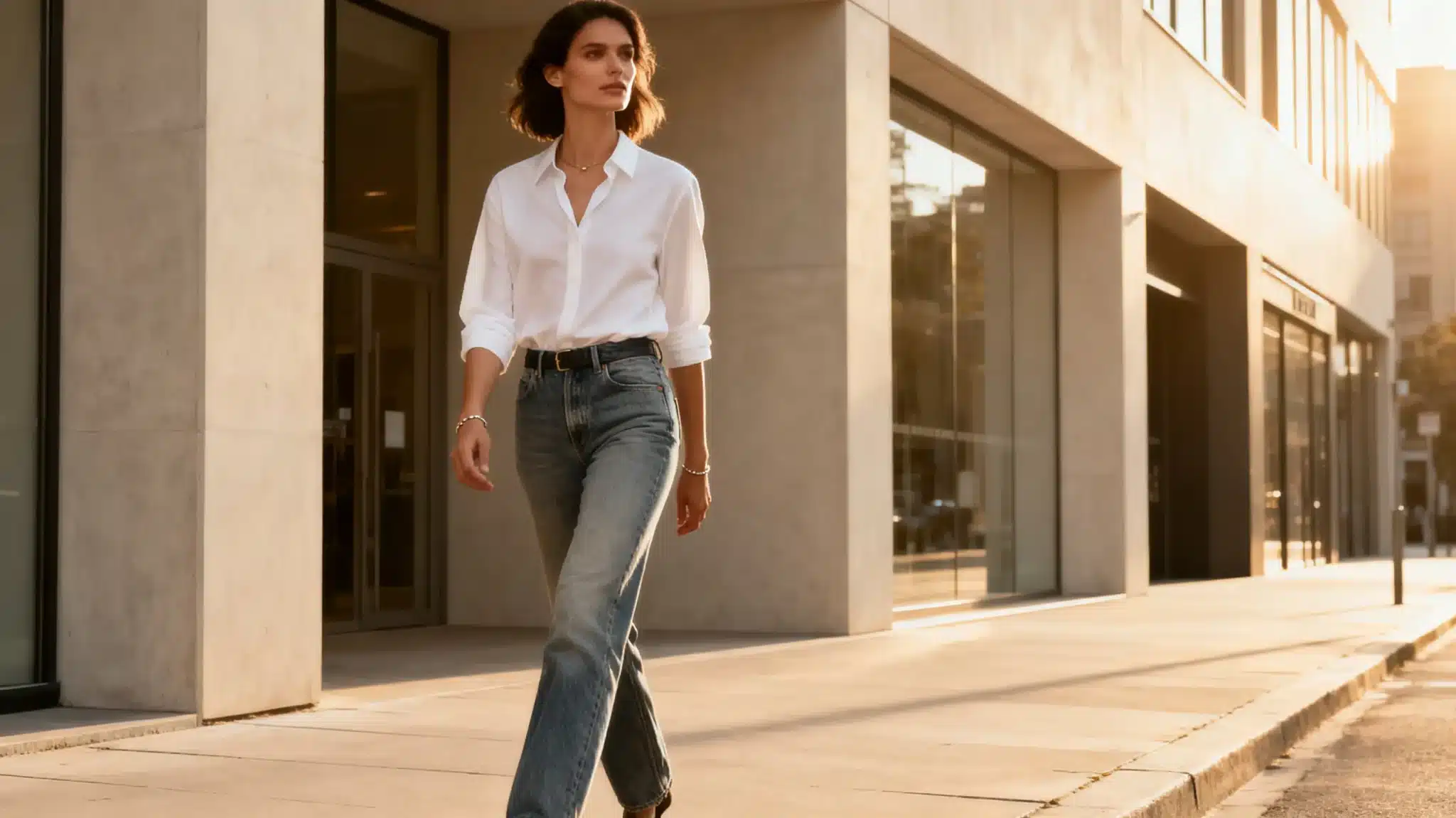
Something shifted. Walk through any fashion-forward city in 2026, scroll through the accounts that actually set the tone rather than chase it, and the energy is different. The people who read as genuinely stylish are not the ones drowning in labels. They are the ones who look completely at ease in whatever they have on. A plain white shirt worn like it cost a fortune. Vintage denim styled with more confidence than a head-to-toe designer look. The status symbol is no longer the object. It is the ease.
The Quiet Luxury Conversation Was Never About Clothes
When “quiet luxury” took over the cultural conversation, most people read it as a trend about beige cashmere and logo-free tailoring. That was the surface. The deeper shift was about a different relationship with being seen.
Loud fashion is, at its core, a request for validation. The logo does the talking because the wearer is outsourcing their sense of worth to a brand. Quiet luxury flipped that. It said the most powerful thing you can wear is the sense that you do not need anyone’s approval. The confidence to walk into a room in something unremarkable and own it completely.
That is a much harder thing to buy. You cannot add it to cart. And that is precisely why it became aspirational. In a culture saturated with access to products, the genuinely scarce resource became self-assurance.
Style Has Always Been Downstream of How You Feel
Anyone who has worked in fashion knows the truth that the industry rarely says out loud. The garment is maybe forty percent of the equation. The rest is posture, presence, and the internal state of the person wearing it.
You can put the most beautiful dress in the world on someone who feels uncomfortable in their own skin, and it will read as costume. You can put a basic outfit on someone who feels genuinely good about themselves, and it will read as effortless cool. The clothes are the same. The difference is entirely internal.
This is the part the old status model ignored. It assumed you could purchase your way into looking confident. But confidence does not arrive in the shopping bag. It comes from a settled relationship with yourself, your body, and your face. And the people who have that settled relationship are the ones who make everything they wear look intentional.
Self-Care Stopped Being Indulgent and Became Strategic
The reframing of self-care over the past few years is part of the same story. What used to be dismissed as indulgence is now understood as foundational. Sleep, movement, skincare, mental health, and yes, the way you feel about your appearance, all feed directly into how you carry yourself.
This is not about vanity. It is about alignment. When the way you look in the mirror matches the way you feel inside, the friction disappears. You stop fidgeting with your clothes. You stop scanning for flaws in every photo. You stop dressing to hide and start dressing to express. That shift is visible to everyone around you, even if they cannot name what they are seeing.
The women who seem to have cracked the code of personal style in 2026 are almost always the ones who have done the quieter work underneath. They have figured out their skincare. They have made peace with their features or taken steps to feel better about them. They have stopped treating self-presentation as a battle and started treating it as a form of self-respect.
Feeling Like Yourself Is the Whole Game
Here is where the conversation gets honest. Feeling settled in your appearance means different things for different people, and there is no single correct path to it.
For some, it is a consistent skincare routine and learning which colors and cuts actually flatter them. For others, it is fitness, or finally getting enough sleep, or letting go of a beauty standard that never fit them in the first place. And for some, it includes consulting professionals who help them feel more like themselves, whether that is a dermatologist, an aesthetician, or a board-certified specialist. Practices like Dr. Cat, known for a natural-results philosophy, exist in that space precisely because feeling at home in your own appearance is something people increasingly take seriously rather than apologize for.
The point is not the specific path. The point is that the destination, feeling genuinely comfortable in your own skin, is what actually translates into style. Everything else is logistics.
What This Means for How You Get Dressed
If confidence is the real status symbol, then the most valuable thing you can invest in is not another statement piece. It is whatever closes the gap between how you look and how you want to feel.
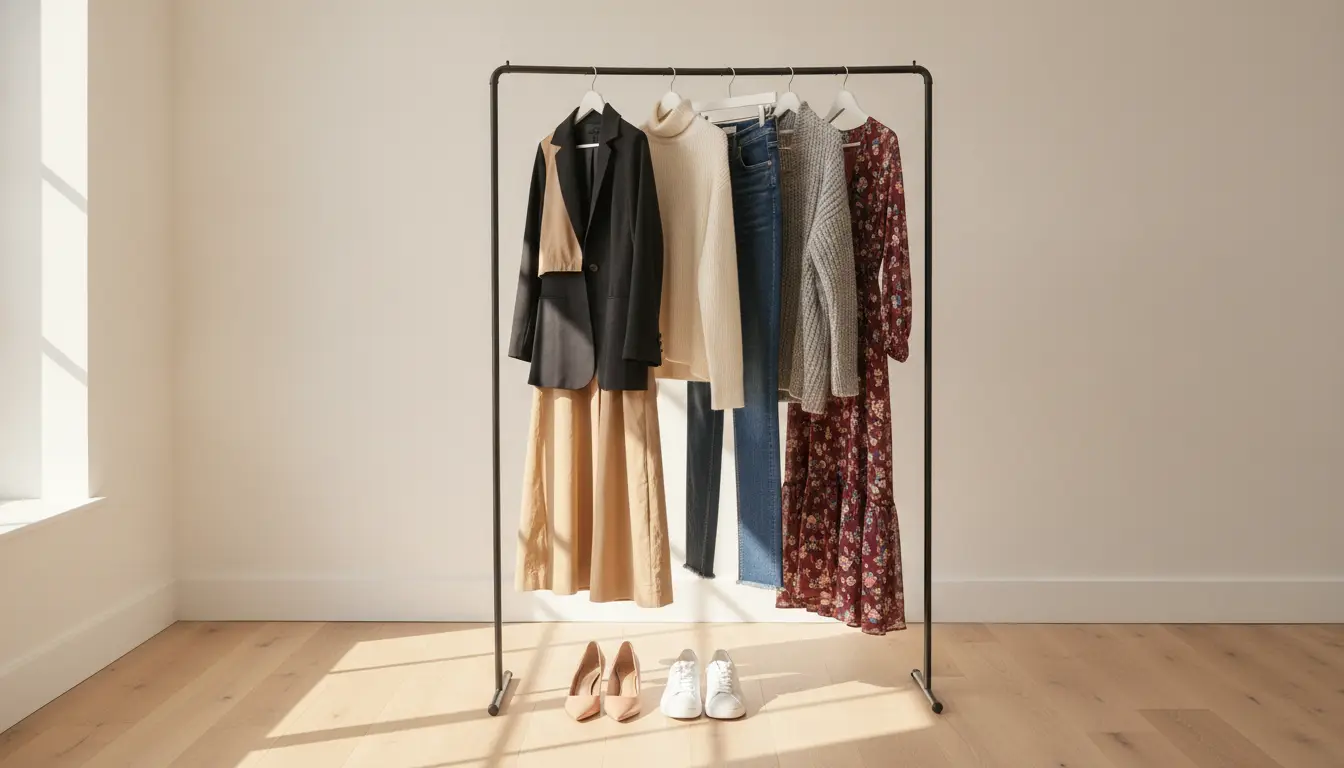
Practically, that means a few things. Build a wardrobe around pieces that genuinely fit your body now, not the body you are planning to have. Invest in the foundational self-care that makes you feel good before you ever get dressed. Stop buying clothes to compensate for insecurity, because the insecurity always shows through eventually. And give yourself permission to feel good about your appearance without treating it as shallow.
The most stylish people are not the ones with the biggest budgets or the rarest pieces. They are the ones who walk through the world like they belong in it. That ease cannot be faked, and it cannot be purchased off a rack. But it can be built, one settled, self-respecting decision at a time.
The Real Trend Is Self-Possession
Trends will keep cycling. Hemlines will rise and fall. The “it” bag will change every season as it always has. But the deeper movement underneath all of it, the shift from external validation to internal ease, is not going anywhere.
In 2026, the people who look like they have it figured out are the ones who stopped performing for the room and started dressing for themselves. The logo era taught us to ask whether other people approved. The confidence era asks a better question. Do you feel like yourself? Because when the answer is yes, you could wear almost anything and make it look like the most stylish choice imaginable.
That is the status symbol now. And unlike the handbag, it actually belongs to you.