
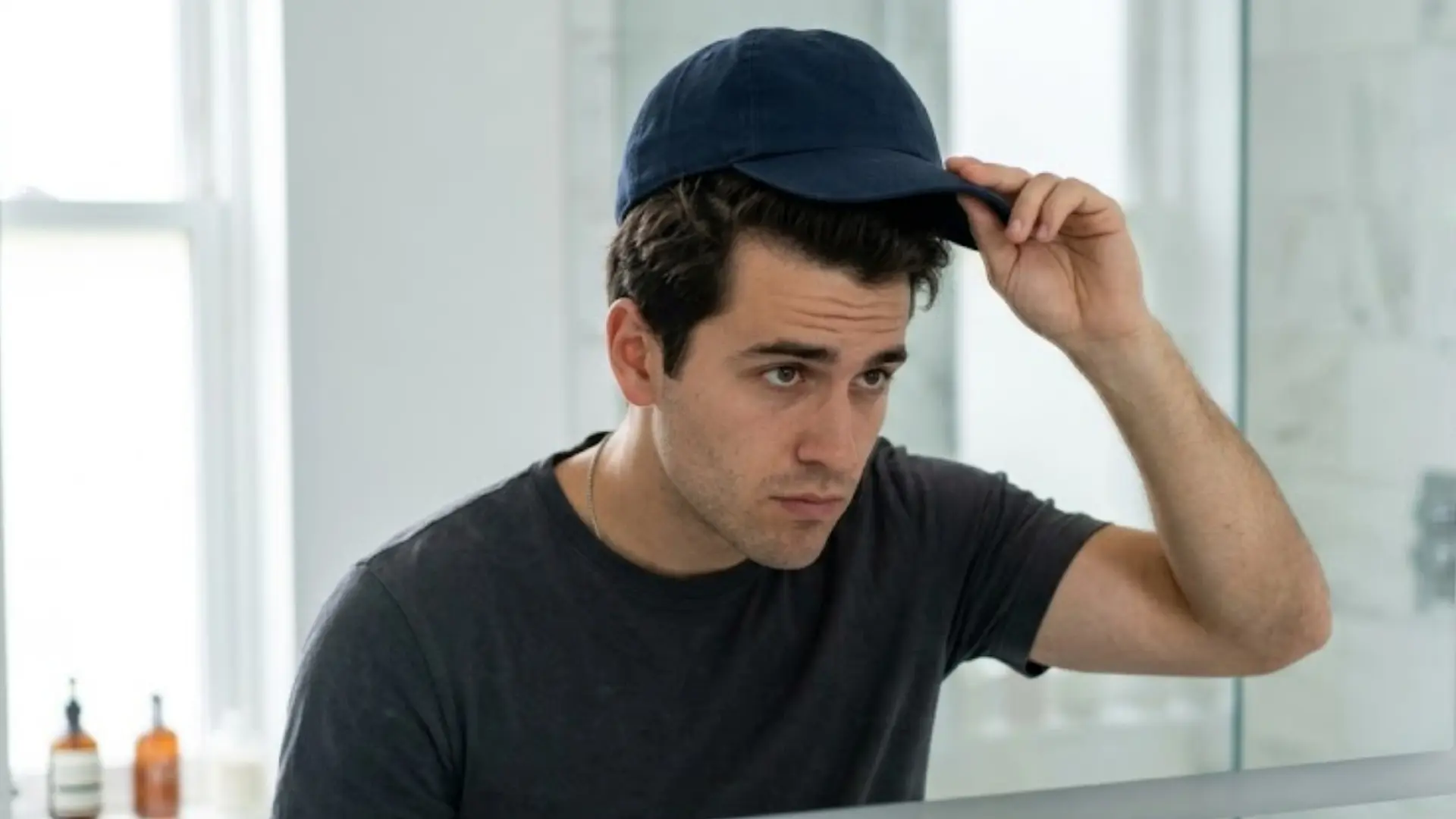

A lot of people ask the question, Does wearing a hat cause hair loss, especially when they notice extra hair in their cap after a long day.
It can feel worrying, and it often leads to the belief that hats might be damaging hair. This idea has been around for years, but it is not always based on facts.
Hair loss usually has deeper reasons linked to the body, not what sits on the head.
Here, I will explain what science says, clear up common myths, and help you understand what really affects hair growth and hair health in daily life.
The Science Behind Hair Loss
To understand hair loss, it helps to know how the hair growth cycle works, as established in dermatology literature: anagen (growth), catagen (transition), telogen (rest), and exogen (shedding).
Hair shedding during the final stage is completely normal and happens every day.
Hair follicles are small structures in the skin that produce and support hair growth. Healthy follicles continue cycling through these stages, allowing new hair to replace old strands.
Most causes of hair loss begin when hair follicles become damaged, shrink, or stop working properly. Genetics, hormones, aging, stress, and medical conditions are more common causes than anything worn on the head.
Does Wearing a Hat Cause Hair Loss?

No, wearing a hat does not typically cause hair loss. Many people ask, “does wearing a hat cause hair loss?” because baldness is often linked to frequent hat use.
However, there is no strong scientific evidence that wearing a hat normally damages hair follicles or causes permanent hair loss.
Since hair growth happens beneath the skin, a properly fitting hat does not interfere with the follicle’s ability to produce hair. Daily hat use is generally considered safe for healthy hair and scalp.
While a very tight hat may cause minor hair breakage or discomfort, it is unlikely to cause thinning hair or baldness.
Why Do People Think Hats Cause Baldness?Many people link hats and baldness because of old beliefs and simple misunderstandings. A common idea is that hats reduce scalp circulation or block oxygen, but that is not true. Another reason for the hat hair loss myth is noticing loose hairs stuck inside a cap and thinking the hat caused it. In reality, those hairs were already shed naturally. This is why many ask, Does wearing a cap cause hair loss. |
Do Hats Affect Hair Growth, Scalp Health, or Blood Circulation?
Concerns about hats affecting hats and hair growth are common, but they are not supported by science.
Hair receives oxygen and nutrients through the blood, not from outside air, so covering the head does not harm the hair and hair follicles. Hats also do not block scalp circulation in a way that affects growth.
Wearing a hat does not slow hair growth. Sweat trapped under a hat may affect scalp health if hygiene is poor, but it does not cause hair loss.
Keeping the scalp clean helps maintain healthy follicles and normal hair growth over time.
How Can Hats Affect Your Hair?
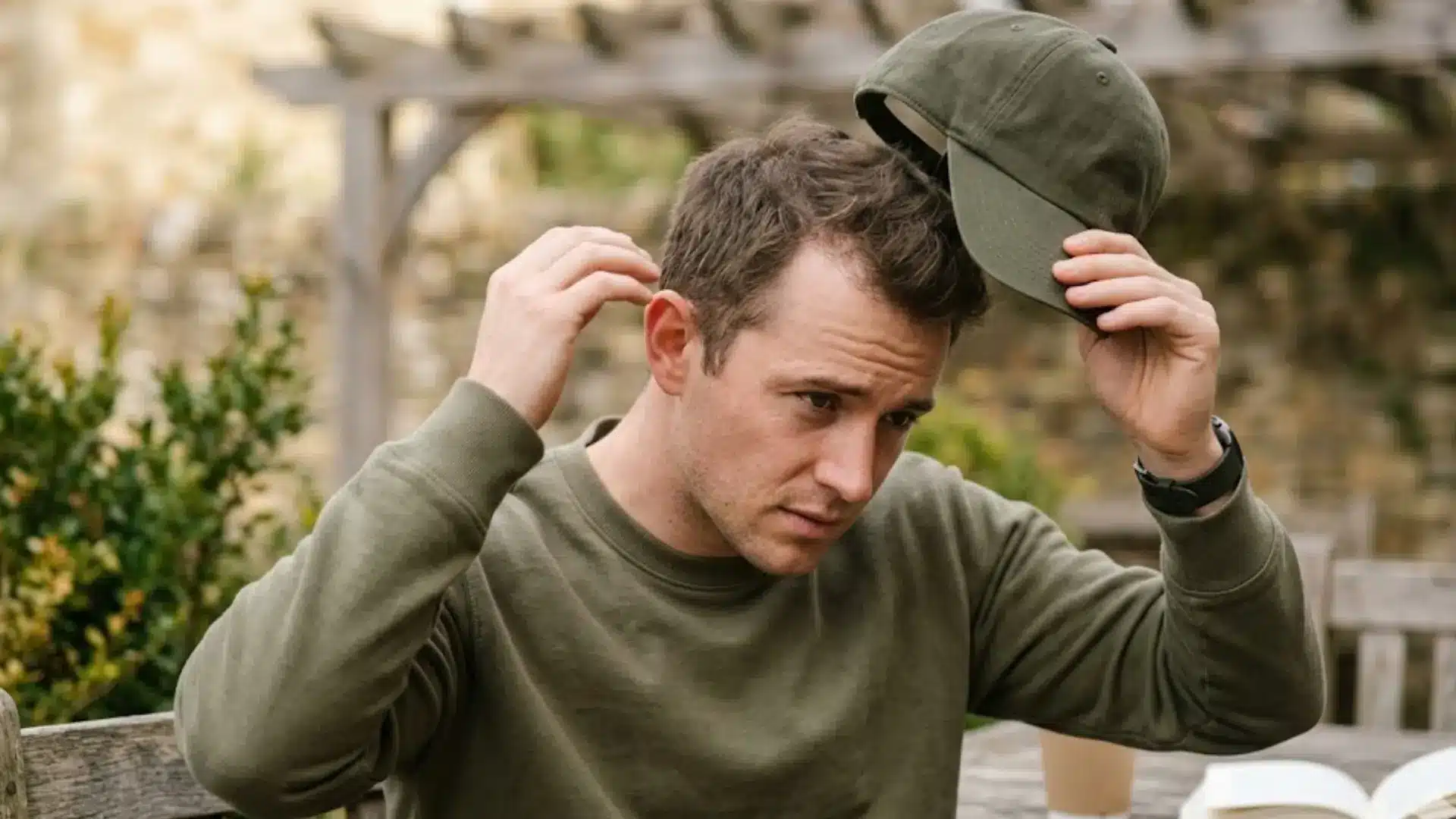
Hats usually do not cause hair loss, but a tight fit, frequent wear, and poor cleanliness can lead to minor hair breakage or scalp discomfort.
These effects are temporary and do not damage hair follicles or stop natural hair growth.
1. Hair Breakage From Friction
Hair breakage from hats can happen when rough fabric rubs against the hair often. This friction may weaken hair strands, especially if the hat is tight or worn for long hours.
Over time, you may notice small broken hairs around the forehead or crown. This is not true hair loss but rather simple damage to the hair shaft that can be reduced by wearing softer, well-fitting hats.
2. Scalp Sweat, Oil, and Hygiene Concerns
Wearing hats for long periods can trap sweat and oil on the scalp. This may lead to itchiness or mild scalp health issues if hats are not cleaned regularly.
Dirty hats can also cause buildup that makes hair feel greasy or flat. While this does not directly cause hair loss, poor scalp conditions can affect how healthy your hair looks and feels over time.
3. Tight Hats and Traction Alopecia
Very tight hats can pull on the hair and may lead to traction alopecia if worn constantly. This condition happens when steady pulling weakens hair roots over time.
It is more common with tight hairstyles or headwear used for long hours. Occasional hat use is usually safe, but constant pressure on the same areas may, in rare cases, increase the risk of hair loss.
4. Hair Damage vs. Hair Loss: Understanding the Difference
Hair damage affects the strand itself, while hair loss happens at the follicle level. Breakage from hats is usually surface damage and does not mean the follicle has stopped working.
In contrast, true hair loss involves thinning or shedding from the root. Understanding this difference helps clear confusion and shows that most hat-related issues are minor and temporary, not permanent hair loss.
What Actually Causes Hair Loss?
Hair loss usually comes from internal body changes, not from wearing hats. Scientists have identified several proven causes of hair thinning, most of which are linked to genetics, hormones, or health conditions.
These causes affect how hair grows from the root and differ from external factors like headwear.
- Genetics and Hereditary Hair Loss: Male pattern baldness and female pattern hair loss are the most common causes and often run in families.
- Hormonal Changes: Shifts in hormones during pregnancy, menopause, or thyroid issues can lead to thinning hair.
- Aging: Hair naturally becomes thinner and weaker as people get older.
- Stress and Illness: High stress or long-term illness can push more hairs into the shedding phase.
- Nutritional Deficiencies: Low iron, protein, or vitamin levels can hinder hair growth.
- Medical Conditions: Conditions like alopecia areata or scalp disorders can directly affect hair follicles.
These are the common causes of hair loss, and they are far more important than myths about hats or caps.
How to Wear Hats without Damaging Your Hair?

Wearing hats is usually safe for hair, but a few simple habits can help keep your hair and scalp healthy. The goal is to reduce friction, sweat buildup, and unnecessary pulling so your hair stays strong and comfortable even with regular hat use.
- Choose the Right Fit: Pick a hat that fits snugly but isn’t too tight, so it protects hair while wearing it and avoids pulling on the roots.
- Opt for Breathable Materials: Cotton or lightweight fabrics promote airflow and reduce sweat buildup on the scalp.
- Keep Your Hats Clean: Wash hats regularly to prevent dirt and oil from affecting scalp health.
- Avoid Excessive Tension on Hair: Do not wear very tight hats for long hours to help prevent hair breakage.
- Maintain Good Scalp Hygiene: Keep your scalp clean and moisturized to support healthy hair growth.
These healthy hat habits can reduce minor hair issues and help you wear hats safely without harming your hair.
The Bottom Line
So, does wearing a hat cause hair loss? The simple answer is no for most people. Regular hat use does not harm hair follicles or stop hair from growing.
Most hair loss is caused by genetics, hormones, stress, or health issues, not by wearing something on the head.
Hats may cause minor problems, such as breakage, if they are too tight or dirty, but these are temporary.
I hope this clears up the confusion around hats and hair health. If you found this helpful, drop a comment below and share your thoughts or questions about hair care and daily habits.
Frequently Asked Questions
Can Wearing a Hat Protect My Hair from Falling Out?
Yes, indirectly. Hats shield hair and scalp from UV damage and pollution, which can weaken hair shafts over time.
Is It Bad to Wear a Hat Every Single Day?
Not if it fits well and is kept clean. Risks arise only from extreme tightness (tension) or poor hygiene, which can cause scalp irritation.
Do Hats Block Oxygen from Reaching the Scalp?
No. Hair follicles get oxygen from blood vessels below the skin, not from outside air. Hats cannot “suffocate” roots.