



Personal style has shifted from trend-chasing to investment-thinking across the past decade. The wardrobe, the skincare routine, the hair plan, and the broader self-image all now sit inside a longer-term frame.
Alt text: An adult model with a confident smile in a portrait setting
The smile fits that same frame. Orthodontic treatment is one of the larger commitments inside a personal-style plan, and the modern provider field includes both braces and Invisalign options scaled to most adult lifestyles. A practice like Sun Orthodontist sits inside this broader category, offering treatment plans for adults and teens across the Miami metro. The framework below covers how a reader should think about the choice.
Why Has Smile Aesthetics Moved Inside the Style Conversation?
Smile aesthetics has moved inside the style conversation because the visible-self investment now extends well beyond clothing and skincare. Adults treating personal image as a deliberate plan increasingly include orthodontic options.
Three structural shifts explain the rising visibility. First, the treatment options have widened. Adults weighing treatment now compare the main orthodontic options side by side rather than defaulting to whatever comes up first. Braces, clear aligners, and lingual fittings each carry different timelines, costs, and day-to-day visibility.
Second, the discreet-treatment category has matured. Clear aligners and lingual braces now fit adult professional life in ways the metal-braces era did not.
Third, the financing structure has become friendlier. Monthly payment plans replace the all-up-front model that once kept treatment out of reach for many adults. Insurance coordination has also improved across most metropolitan provider markets.
What Six Criteria Anchor a Strong Orthodontic Decision?
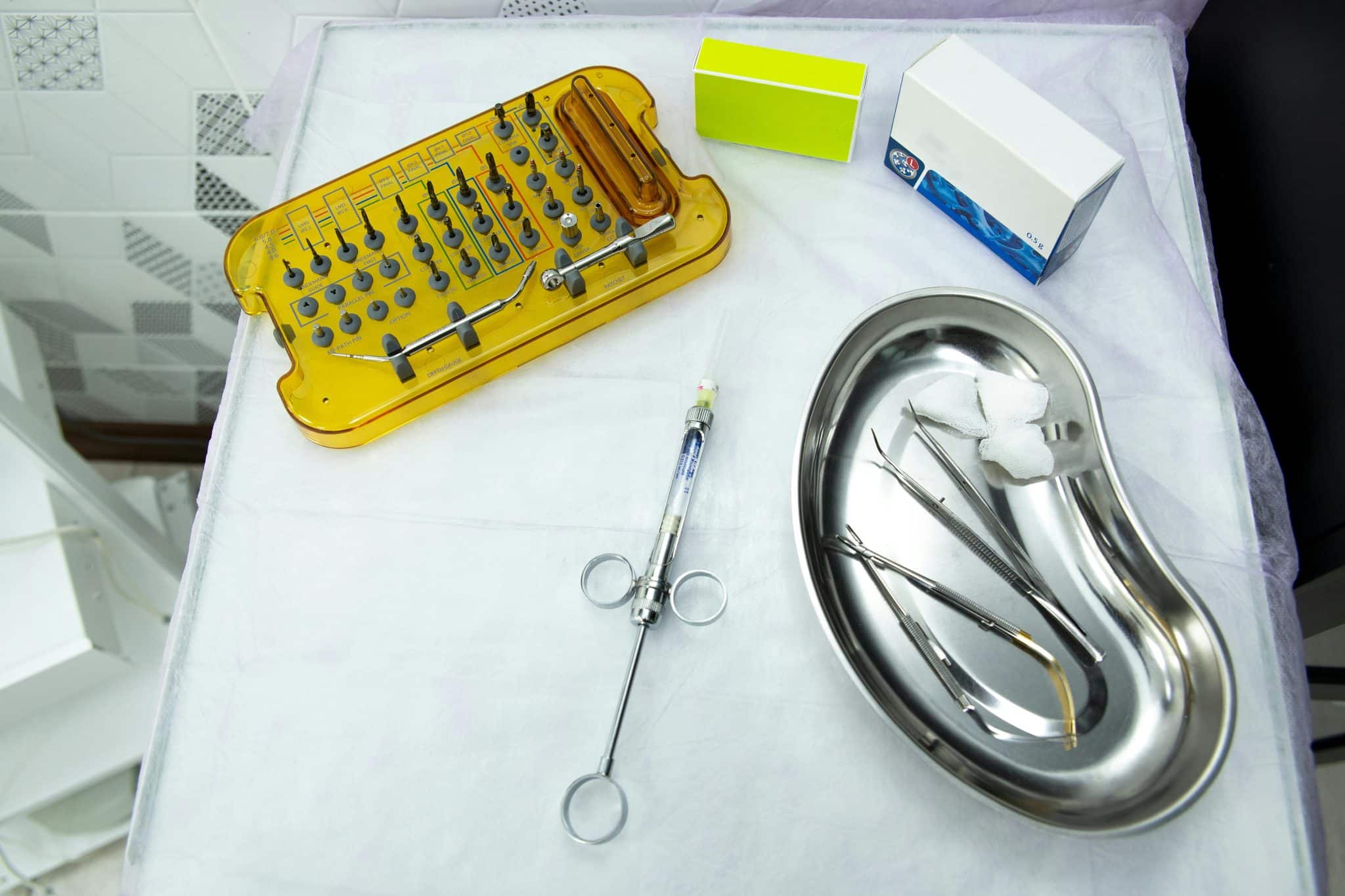
Six criteria reliably anchor a smart orthodontic decision for any adult.
- Provider credentials. Board-certified orthodontists complete two to three years of specialty training beyond dental school.
- Treatment-option transparency. Clear written treatment plans listing braces, aligners, or hybrid approaches with comparative timelines.
- Consultation depth. A provider who explains options and recommends thinking-time usually treats the decision the right way.
- Financing flexibility. Monthly payment plans, insurance coordination, and clear total-cost breakdowns.
- Office logistics. Appointment availability, convenient locations, and reasonable wait times across the treatment year.
- Aftercare structure. Retainer plans, follow-up appointments, and long-term outcome support.
Readers increasingly treat appearance as a long-term personal-image investment rather than a string of quick fixes, and a smile decision sits squarely inside that mindset. The criteria above apply the same logic to the smile-specific category.
How Should an Adult Approach the Consultation Phase?
The consultation phase runs cleanest when the adult treats it as a fact-finding mission rather than a commitment.
The first step is the shortlist. Two or three credentialed providers within a reasonable distance of the adult’s home or workplace. Whichever route an adult picks, the result still rests on consistent daily oral-care habits that protect the investment over years. Those habits matter long after the braces or aligners come off.
The second step is the consultation booking. The adult schedules consultations with the shortlist, prepares written questions in advance, and brings any relevant dental history.
The third step is the comparison. After each consultation the adult notes the provider’s approach, treatment timeline, total cost, and overall consultation quality. It is the same discipline as trying different styles before committing to a signature look, applied to a decision that lasts far longer. The orthodontic decision benefits from the same approach.
What Are the Common Mistakes Adults Make in The Decision Phase?
Five recurring mistakes show up in the adult-orthodontic-decision population.
- The single-consultation default. Booking one provider without a comparison consultation removes the data the decision benefits from.
- The price-only filter. Picking the cheapest option rarely correlates with the best outcome; the price gap usually reflects experience and specialty depth.
- The rushed-timeline pattern. Trying to start treatment within two weeks of the first consultation removes the thinking-time good providers recommend.
- The skipped-financing-review habit. Failing to compare monthly costs across providers can produce avoidable budget stress mid-treatment.
- The no-aftercare-plan default. Forgetting about retainer routines after active treatment ends can undo the work over time.

A Quick Reality Check Before Booking Orthodontic Treatment
A short pre-booking pass covers the questions worth confirming before signing the treatment contract.
- Confirm the provider’s board certification status
- Read at least three independent patient reviews
- Compare two written treatment plans side by side
- Schedule a two-week thinking-time window after consultations
- Confirm the total cost including retainers and follow-ups
- Plan the retainer routine before treatment starts
The Bottom Line on Smile Aesthetics as Style Investment
The smile sits inside the personal-image investment the same way wardrobe and skincare do. A well-researched orthodontic decision compounds visually across the years following treatment, the same way other long-term style choices do.
A reader who runs the evaluation cleanly arrives at the day of the first appointment with the calmer mindset that supports a multi-month treatment plan. The right provider respects that approach rather than rushing it. The investment is meaningful but the visible-self payoff usually justifies it.
The compounding effect shows up in two ways. The first is the daily mirror moment that holds steady year after year. The second is the photograph six or eight years on that still reads as deliberate rather than dated. Both pay back the original research investment.
Frequently Asked Questions
How Long Does Orthodontic Treatment Usually Take?
Most adult treatment plans run 12 to 24 months depending on starting alignment and chosen modality. Clear aligners and lingual braces typically run on similar timelines to traditional braces for comparable cases.
What Is the Typical Monthly Cost?
Monthly payments commonly run between $80 and $200 across providers, depending on treatment complexity and total plan length. Insurance coverage and provider-specific financing plans both shape the final number.
Should an Adult Choose Braces or Clear Aligners?
The decision depends on case complexity, lifestyle, and personal preference. Clear aligners suit many adult cases; complex cases sometimes call for traditional braces or hybrid approaches.
Does the Treatment Affect Daily Activities?
Modern treatments are designed to fit professional and social life with minimal disruption. Clear aligners come out for meals; modern braces are smaller and more comfortable than the previous generation.