

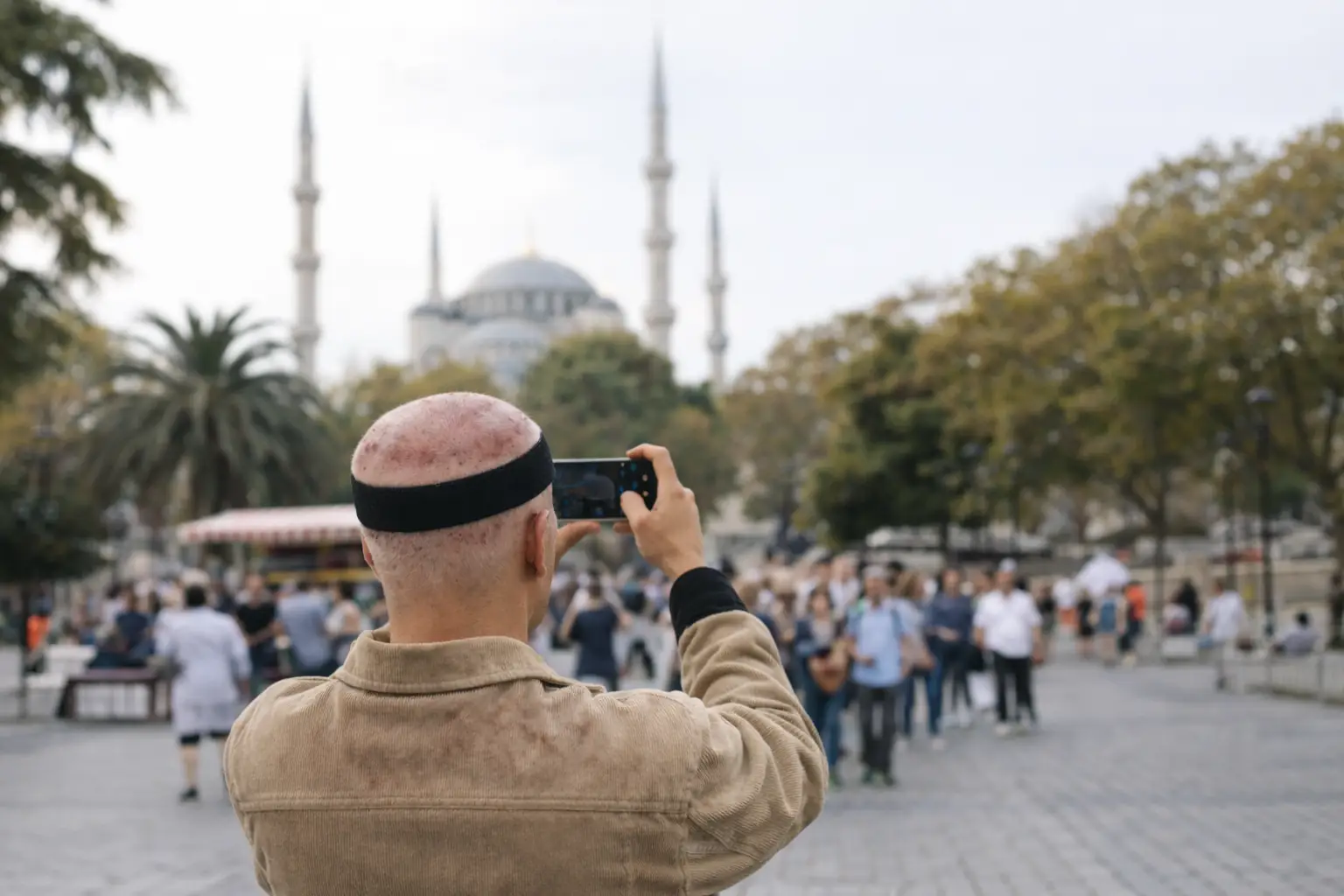

Hair restoration used to be hidden or denied. But with front-facing cameras, celebrity transformations, and the constant pressure to look camera-ready, a hair transplant in Turkey is now part of a broader conversation about grooming, confidence, and self-image.
For many, Istanbul has become the city at the center of that conversation. Not because every clinic is equal or because the cheapest option is the smartest, but because Turkey has become one of the most visible destinations in modern hair restoration. The better question is not simply “Why Turkey?” It is “How do you know whether a transplant in Turkey is being planned responsibly?”
Why Turkey Became a Global Hair Transplant Destination
Turkey’s reputation in hair restoration took time to grow. Istanbul brings together medical travel, hospitality, international flights, and many private clinics. That matters for patients from abroad. A procedure involves more than the operating room. It also includes consultation, airport transfers, hotel stays, translation, and care instructions. Turkey’s visibility has made it a top destination for hair transplants. made it a top talk for hair transplants. But being popular does not mean quality is always good. More clinics mean more choice, making research more important.
What Actually Happens During a Modern Hair Transplant?
A modern transplant starts before surgery. First, doctors assess hair-loss pattern, age, health, donor area strength, hair type, and goals. It is also important to check whether the patient’s wants are realistic.
The donor area is usually the back and sides of the scalp. It supplies the grafts. Using too few grafts results in less coverage in the recipient area. means less coverage in the recipient area. Good planning finds a balance.
In FUE (follicular unit extraction), grafts are removed individually from the donor area. After extraction, the recipient area is planned with attention to hairline shape, density, angle, and direction. The artistry is not just placing hair; it is placing it so it looks as though it belongs there.
Dr. Levent Acar, a Medical Aesthetics Doctor and founder of Cosmedica Clinic in Istanbul, focuses on natural results. He says, “Hair transplantation has been practiced for over 80 years… Now we’ve developed methods that look completely natural, so nobody can tell it was transplanted.” The result depends on whether the patient is a good candidate, donor supply, hairline plan, graft care, and healing. These vary for each patient.
After surgery, patients usually go through an early healing phase, a shedding phase, and a gradual growth phase. Transplanted hair does not mature overnight, which is why aftercare and realistic timelines matter.
FUE, DHI, and Sapphire FUE: What the Methods Mean
FUE Follicular Unit Extraction
FUE takes single hair units from the donor area and places them in thin or bald areas. It is popular because it avoids the scar seen with old strip methods. FUE fits many patients, but only if donor supply and goals match.
DHI Direct Hair Implantation
DHI direct hair implantation is often discussed in terms of placement control. In DHI hair transplant procedures, grafts are implanted using a specialized implanter rather than creating recipient channels individually. Some clinics position DHI as useful for precision-focused work, but it should not be presented as automatically better for every patient.
Sapphire FUE
Sapphire FUE is an improved FUE technique that uses sapphire blades to open channels for hair. Cosmedica names Sapphire FUE as modern and cost-effective, and Micro Sapphire DHI as more precise and premium. For foreign patients, the main thing is not to chase trendy names. Ask why a clinic suggests one method instead of another.
What Makes a Successful Hair Transplant?
A successful hair transplant is not defined only by the number of grafts. It depends on the whole plan.
First is candidacy. Some patients have stable hair loss and strong donor areas. Others lose hair fast, have few donor hairs, or need a doctor to check if surgery is safe. Expectations matter. A low, dense hairline may. Graft survival refers to how well new hair takes root after being handled, placed, and allowed to heal. after being handled, placed, and healed. Technique, care, patient health, and aftercare all affect the result. No good clinic will promise success for all.
Dr. Acar says, “In all cases, transplantation is possible — but expectations must be explained clearly.” He adds, “The real results come after eight to 12 months. Patience is important.”
How You Should Read Patient Reviews and Before-and-After Photos
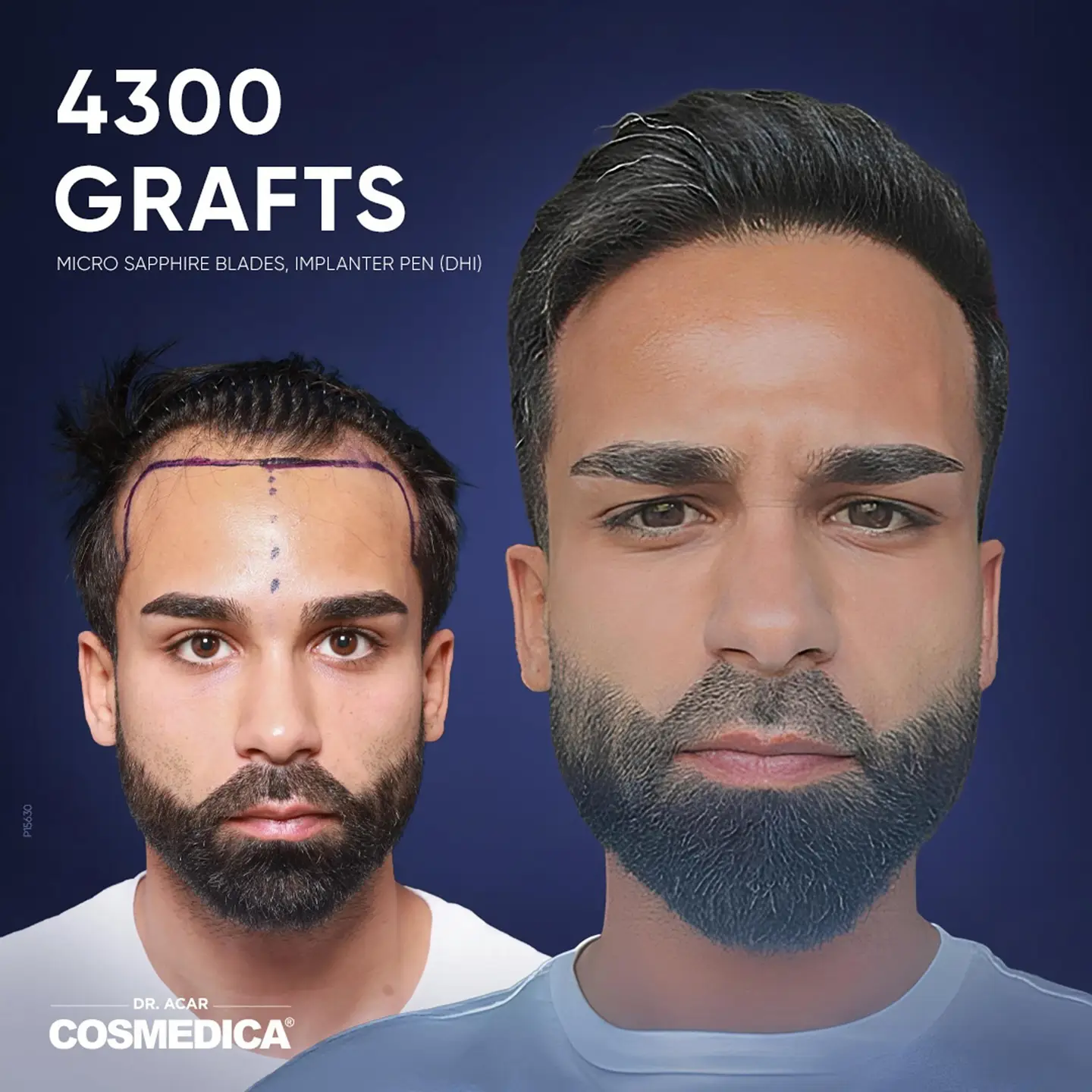
Credit: Cosmedica Clinic. Before and after results of a 4300 grafts Micro Sapphire DHI hair transplant in Turkey.
Patient reviews are useful, but not all are equal. A five-star rating tells part of the story. A detailed review that discusses consultation, communication, aftercare, hotel logistics, clinic organization, and follow-up provides more detail.
Hair transplant before-and-after photos also require careful scrutiny. Patients should look for similar hair loss, hair type, age, and clear timeframes. Lighting, camera, hair length, and product can change how full the hair looks.
A good gallery shows the hairline, donor area, and final results. Cosmedica’s photos help readers check what to expect. No gallery can promise a certain outcome for everyone.
What Patients Should Check Before Traveling for Treatment
A transplant abroad should be approached like a serious medical-aesthetic decision, not a last-minute grooming trip. Before traveling, patients should ask:
- Is there a named doctor or clinical lead?
- Does the clinic explain candidacy and donor area limits?
- Are FUE and DHI explained clearly?
- Are package inclusions transparent?
- Is English-speaking support available?
- What happens after the patient returns home?
- Are patient reviews detailed and verifiable?
- Are the before-and-after results realistic?
- Does the clinic avoid guaranteed-density promises?
- Is pricing easy to understand?
Before making a decision, patients should contact clinics, ask detailed questions, and thoroughly compare options. Take the next step by scheduling a consultation or requesting patient references to ensure you make an informed choice for your hair restoration journey.
Where Cosmedica Fits Into the Istanbul Story
Cosmedica is an Istanbul-based hair transplant clinic in Turkey associated with Dr. Levent Acar. The clinic’s public positioning emphasizes consultation-led planning, English-speaking care, modern hair transplant methods such as FUE, DHI, Micro Sapphire DHI, and Sapphire FUE, before-and-after proof, all-inclusive package options, and free hair analysis for international patients.
Dr. Levent Acar is publicly presented as a Medical Aesthetics Doctor and the founder of Cosmedica Clinic in Istanbul. Cosmedica’s approved bio framing presents him as a graduate of Istanbul University Capa Medical Faculty, whose public profile centers on FUE and Sapphire DHI hair transplant techniques, and who has been providing hair transplantation services at Cosmedica since 2007.
For those comparing clinics, Cosmedica’s relevance is not that it removes the need for research. It is that it gives readers a structured place to begin asking better questions: What does my donor area allow? Which method fits my case? How many grafts are realistic? What support is available in English? What happens after I go home?
Understanding Cost Without Chasing the Cheapest Option
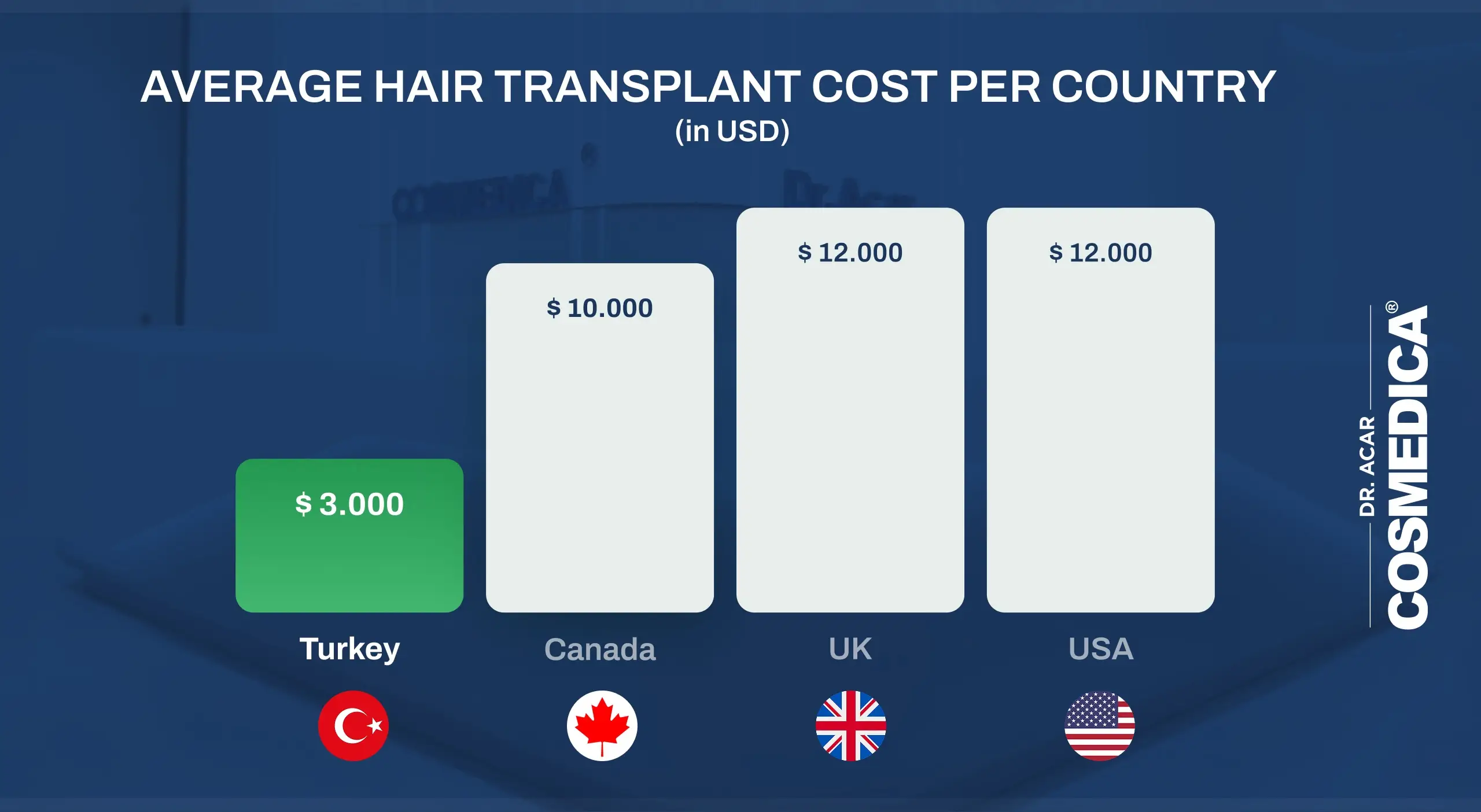
Credit: Cosmedica Clinic. Average cost of a hair transplant in Turkey and in Western countries.
Cost is part of the reason people research a hair transplant in Turkey, but it should not become the whole story. Hair restoration is medical, technical, and aesthetic. The cheapest quote may not reflect the strongest plan.
Several factors can affect the Turkey hair transplant cost: graft number, chosen method, doctor involvement, clinic standards, package inclusions, accommodation, transfers, medication, aftercare, interpreter or patient companion support, and follow-up communication after returning to their country. Because these details can change, patients should verify current inclusions directly before making a decision.
Final Thought: A Hair Transplant in Turkey Should Be Planned, Not Rushed
Istanbul’s rise in hair restoration says something about the moment we are living in. Men are talking more openly about appearance. Women are researching hair restoration with more specificity. Medical aesthetics has become global, visible, and woven into the everyday language of confidence and self-presentation.
But a hair transplant in Turkey should still be treated with the seriousness of a medical procedure. A good result depends on candidacy, donor area strength, method selection, graft handling, aftercare, and expectations that match reality.
For readers comparing FUE and DHI, reviewing patient results, or wondering whether they may be suitable candidates, Cosmedica offers a free hair analysis to help assess donor area, graft needs, technique options, and next steps before traveling to Istanbul.