

Circular design started with the issue of waste in the physical industries, particularly fashion where materials, production, use, repair, resale and recycling are all relevant. The same goes for digital products these days. Whether it’s a website, app, platform or game interface, it takes attention, time, energy, data and trust.
Digital products typically are developed for speedy launch and rapid participation. The question circular design asks is a different one: what happens after the first click? While a user might be looking for a specific phrase, like desiplay slots game website, they still require the same fundamentals that any digital product will have: a clear structure, honest labels, easy navigation, and an experience that is beyond the initial visit.
Circular thinking transforms digital design from a focus on novelty to systems that endure, evolve, and cater to end-users.
Circular Design Looks at the Whole Journey
A product is not just discovered at any time. Circular thinking in fashion includes the whole life of a product: its creation, use, repair, reuse and return to the system. The same broad perspective is needed for digital products.
Websites or Apps have their own life cycles. A user comes to the page, processes it, understands the structure, engages with the features, revisits later, gets updated, and evaluates the product’s usefulness. If it’s only effective on launch, then the product becomes fragile. When the design is suitable for long-term usage, the maintenance becomes easier, and the trust is easier.
This approach changes priorities. The goal is no longer to add more features simply because competitors do. The goal is to understand which parts of the experience create value over time. A circular digital product should feel clear on day one and still feel usable after updates, new content, and changing user needs.
Digital Waste Is Real, Even Without Materials
Digital waste does not always look like fabric scraps or unsold stock. It appears as cluttered screens, duplicated pages, confusing menus, endless pop-ups, unused features, broken journeys, and interfaces that demand too much attention for a simple task.
This type of waste affects users directly. A person may spend extra minutes looking for a basic option. A page may load unnecessary elements. A product may push too many notifications. A design team may rebuild the same component again and again because no shared system exists.
Circular design thinking encourages teams to remove what does not serve a purpose. Cleaner digital products often feel more premium because the user can move through them without friction.
The most common forms of digital waste include:
- Features added without clear user value.
- Repeated design elements built in different ways.
- Labels that sound clever but create confusion.
- Updates that break familiar user paths.
- Notifications that interrupt rather than help.
- Content that becomes outdated but stays visible.
Reducing this waste makes the experience lighter, calmer, and more durable.
Reuse Makes Digital Products Stronger
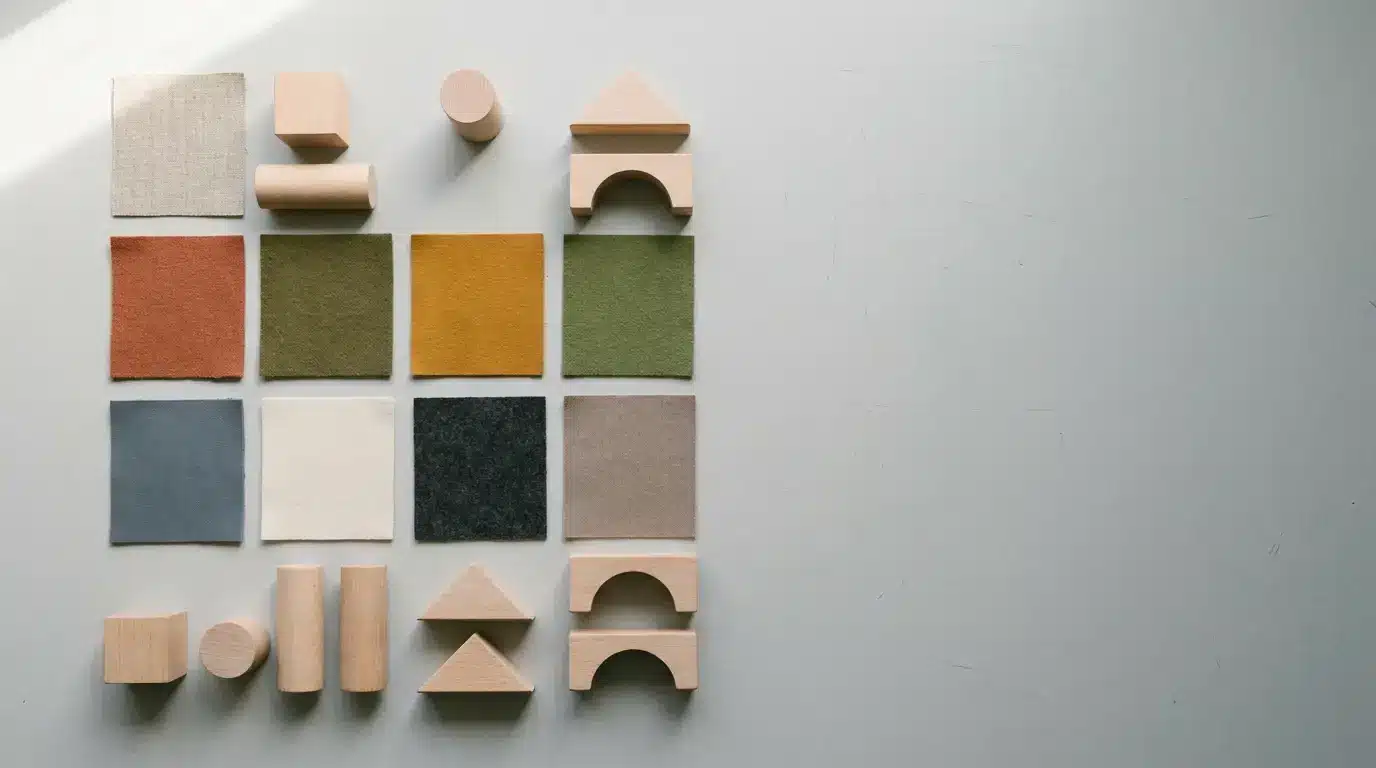
Reuse is an activity that increases the value of materials in a circular manner. Reuse is a key factor in the reinforcement of the product system in digital design. Teams can build faster while maintaining consistency of components, buttons, typography, layouts, and content blocks.
An effective design system is a collection of dependable components. There are roles for each element. Buttons look familiar. The meanings of icons are unchanging. There is a pattern to the spacing. Color supports hierarchy. Category labels assist users to know their location.
This uniformity helps to minimize mental strain. Users will not need to relearn the product per page. They can navigate the interface in a more confident manner due to the predictability of the system.
Reuse also aids an improvement of team products without constant reinvention. They’re not going to need to recreate everything from the ground up, they’re going to need to enhance and tweak the core system. This facilitates accessibility, navigation and maintenance.
Circular digital design isn’t a matter of having all the pages of the same design. It’s really about the development of a visual and functional language that is open to change but remains coherent.
Responsible Design Respects Attention
There is a lot of competition for the attention of modern digital products, but circular thinking has to ask, “Is the attention being used well?” A product can be interesting, but not tedious. It can direct users without getting them “stuck”. It can be inviting without being confusing and pressuring or over-stimulating for return visits.
Attention should be considered as a resource that is limited. A responsible interface that give users an idea of what is available, what they are doing and what happens next. It does not take detours, unclear buttons and unnecessary steps.
It is important from industry to industry, whether it’s for a fashion website, a media website, an online shop or learning tools, entertainment websites or mobile applications. Attention is respected in design and users feel more in control. They can finish tasks quicker, make better decisions, and leave with a clearer understanding of the product.
Good digital products tend to have a common characteristic – namely, they don’t make users do more work than they need to. The experience is not just about metrics of engagement, it’s about understanding.
Circular Thinking Creates More Durable Interfaces
Digital durability refers to a product that expands without splitting. It can accommodate change in features, new content, seasonal campaigns, interface changes and shifting user behavior without a significant upheaval to its core structure.
That’s where fashion and digital design come back together. Good quality clothes endure because of their form, fabric and function. The architecture, interface, content and user flow of a well-made digital product complement one another and make it lasting.
Also trust is established through durability. If a user is coming back to a product and they still know how to use it, it feels like a reliable product. If all updates modify the structure too drastically, users can feel lost. Circular design keeps in mind evolution, not constant disruption.
In the digital teams, this is about designing for the future maintenance. Navigation should be scalable. Content needs to be readily accessible and easily updated. The components should be reusable. New pages should be supported visually, but not cause chaos.
Better Systems Build Better Digital Futures
Circular design thinking is fundamentally different from the way digital products are built and takes a different approach to focusing on quick attention over lasting usefulness. It prompts teams to think through the whole journey, minimize waste, leverage good systems, guard for attention, and design interfaces to adapt responsibly.
Beyond pretty screens, digital design is going to require a new and different set of skills in the future. It will require products that are user-friendly, responsible, and lower maintenance. Circular thinking is a practical way to that future.
An online product created with this frame of mind isn’t disposable. It is structured, clear and respectful towards the user. What really matters about circular design in the real world outside fashion is that it reminds each and every industry that design needs to last longer than the first impression.